
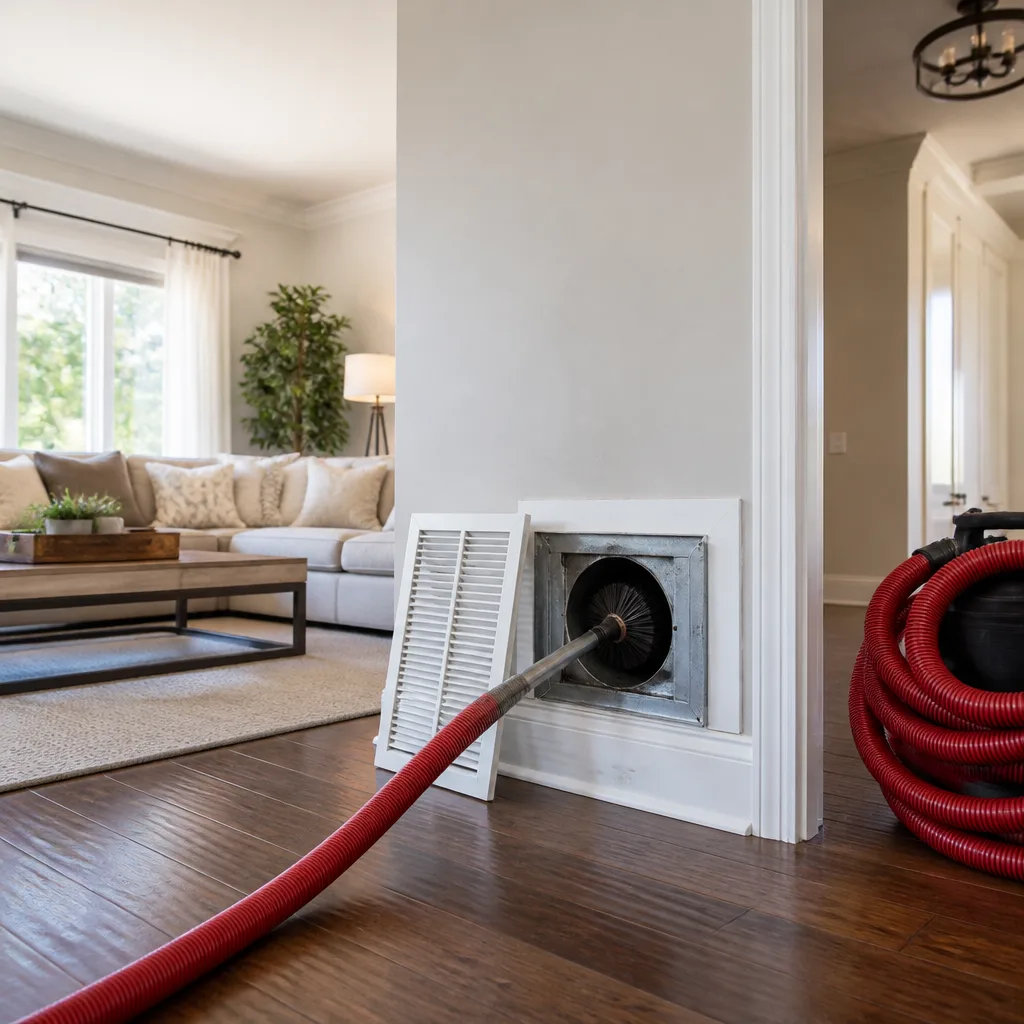
 Whole-home duct cleaning
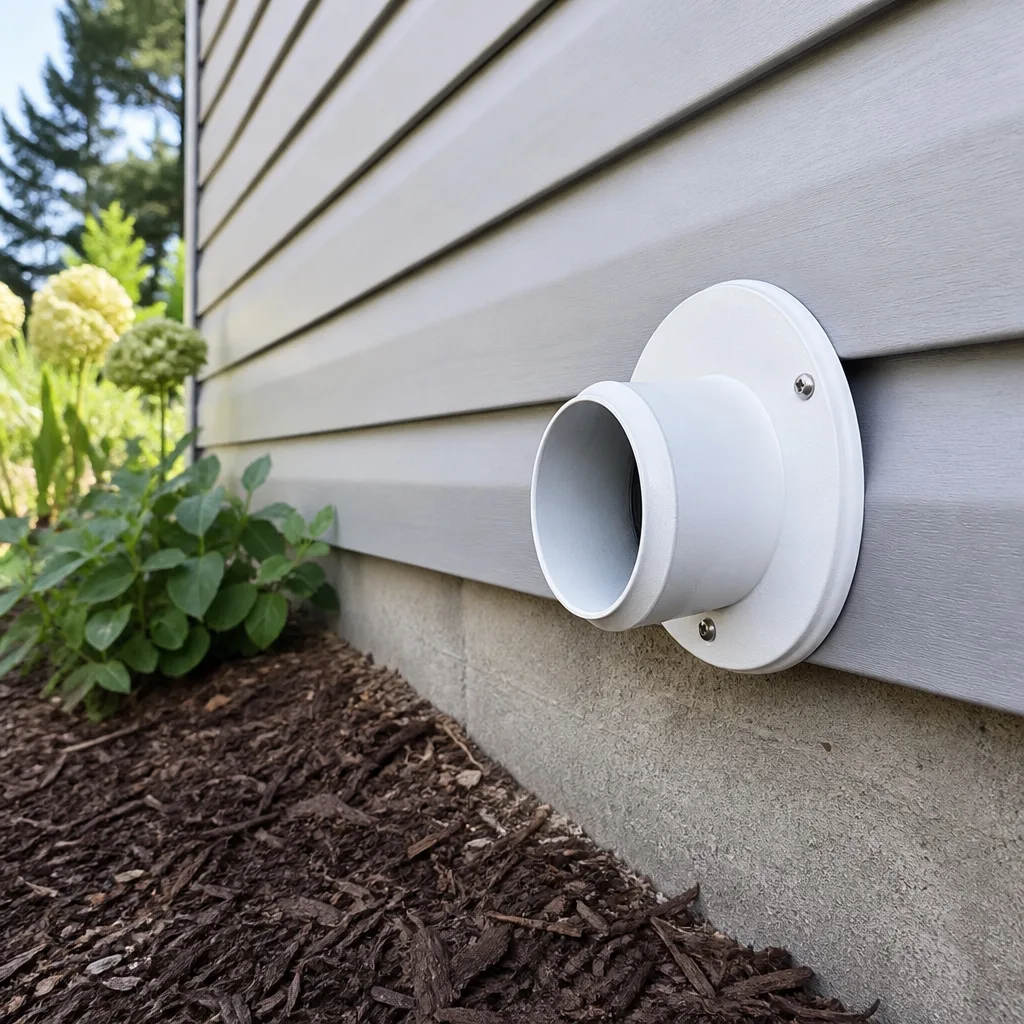 Dryer vent cleaning
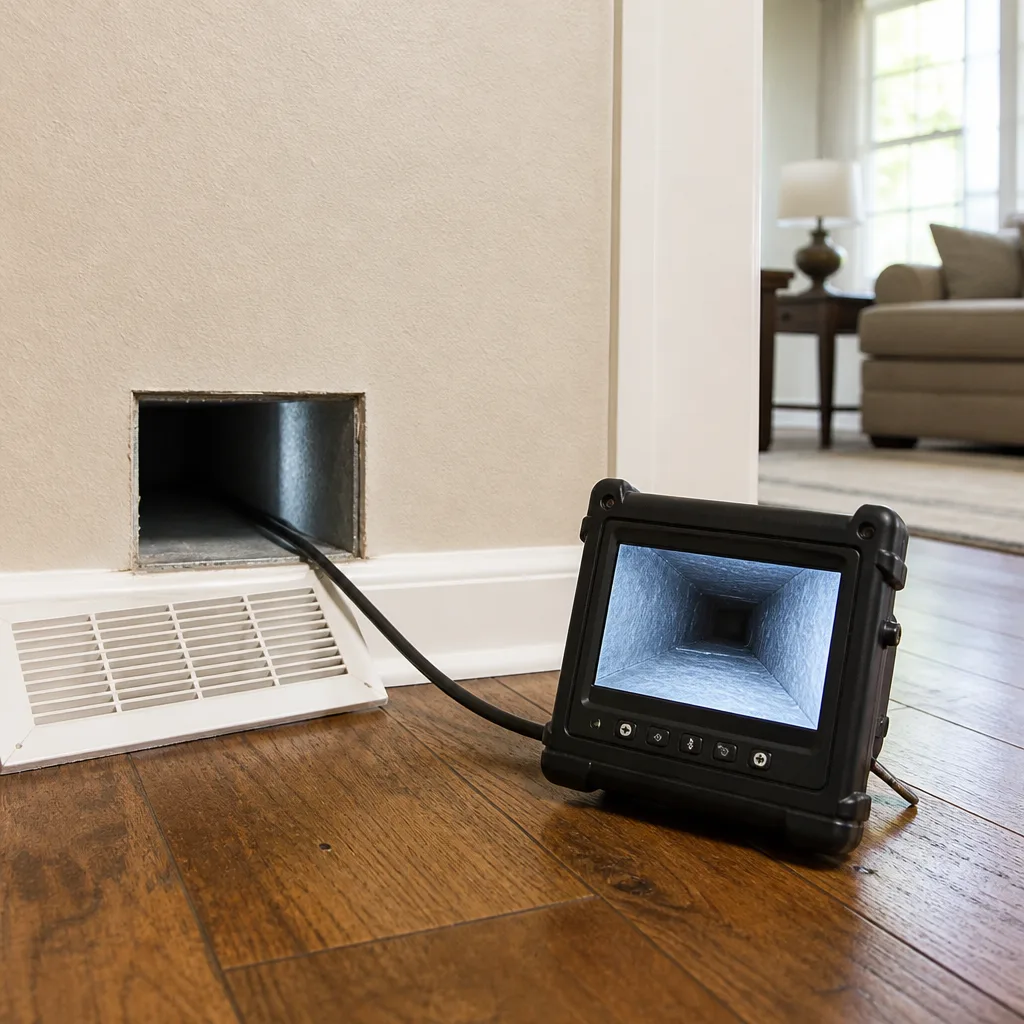 Camera inspection
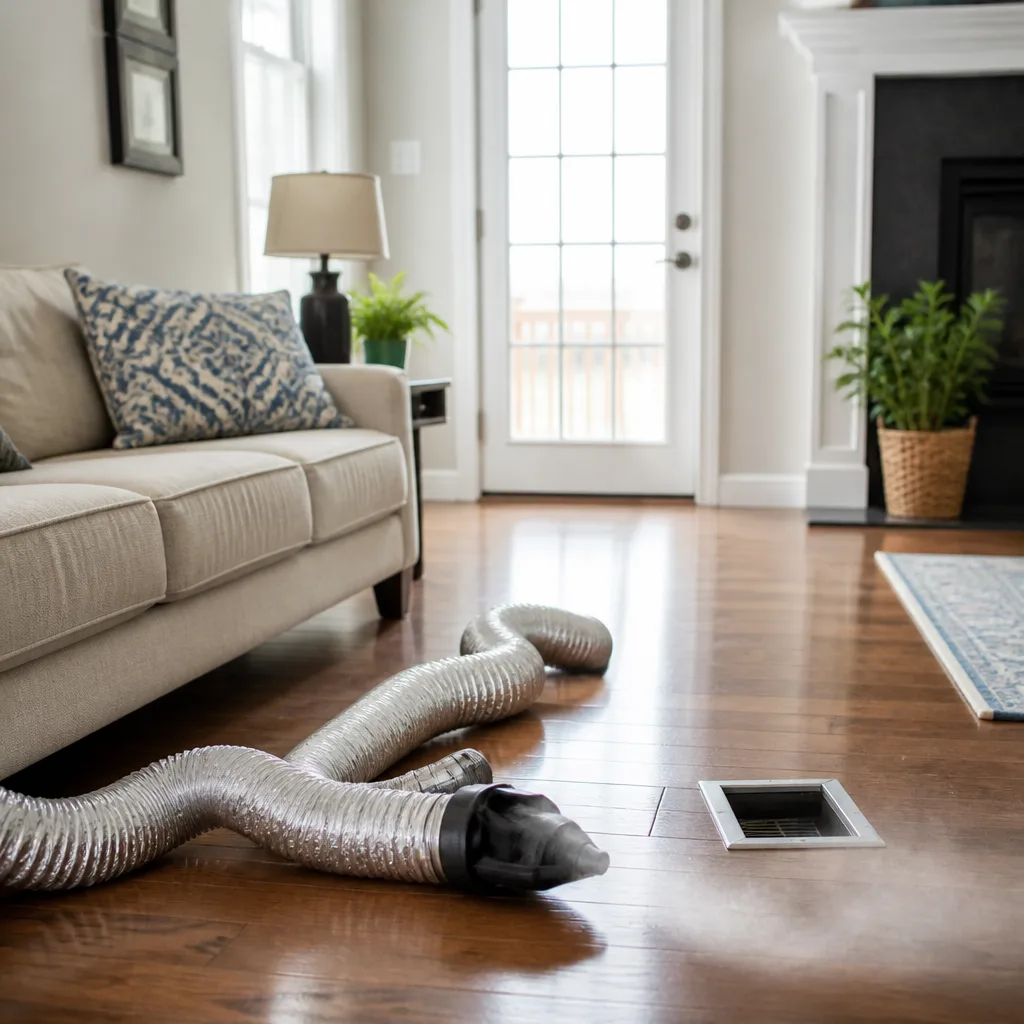 Sanitizing & deodorizing
Whole-system duct and dryer vent check with before-and-after photos - you see exactly what came out of your vents
That "$99 whole-house special" is a bait ad - the real number appears once they are in your hallway, or the "clean" is a shop-vac at the register. We photograph the inside of your ducts before and after instead.
Rotobrush Vent Sanitizing: The Austin Owner’s Guide
Rotobrush vent sanitizing parts for Austin homes typically run $145 to $310 installed depending on your machine’s series and the specific component that failed. We stock the common failure parts on our trucks and can usually complete the swap on the first visit. Most owners notice the problem the same way: the sanitizer stops fogging evenly, the pump whines but produces a weak mist, or the unit trips its own thermal cutoff mid-job because something’s fighting the mechanism.

At Linden Air Duct Austin, we service Rotobrush equipment across Travis and Williamson counties, and we’ll tell you upfront whether your part is worth replacing or whether the whole wand assembly has reached the end of its reliable life. No mystery diagnosis, no padding the invoice.
Which Rotobrush Models This Applies To
The vent sanitizing components on the Rotobrush aiR+c, the older R500 series, and the compact BRx share a lot of DNA, but the fittings are not all interchangeable. The biggest compatibility gotcha we see in Austin: the aiR+c sanitizer wand uses a quick-connect collar with a different inner diameter than the R500’s threaded fitting, so an eBay “Rotobrush sanitizing wand” that looks right will often leak at the connection point or refuse to seat entirely. If you’re buying your own part, match the model number stamped on the blower housing, not the marketing name on the case.
For OEM Rotobrush parts, you’re paying for exact fit and the manufacturer’s tolerance specs. Quality aftermarket equivalents from suppliers like Nikro often match or exceed OEM specs at 30-40% less, but you need someone who knows which aftermarket batches are actually good. We’ve installed both, and we’ll always tell you the honest difference before you spend a dollar.
Styles & brands we work with
Signs Your Rotobrush Vent Sanitizing Is Failing
- Weak or sputtering fog from the wand. This usually means the inline check valve is gummed up with dried sanitizer concentrate. Austin’s hard water accelerates this, especially in homes where the unit sits unused for months between jobs.
- The pump runs but no mist comes out. Nine times out of ten, the pickup tube has cracked at the bottle cap fitting. It’s a $12 part that gets brittle fast in a hot Texas garage.
- Sanitizer leaks from the wand body during use. The o-ring seals dry out, particularly in uninsulated garages where summer temperatures swing 40 degrees day to night. We replace these seals routinely.
- The unit shuts off after a few minutes of sanitizing. This is the thermal overload doing its job, usually because a partially clogged nozzle is making the pump work harder than it should. Do not bypass the cutoff.
- Uneven coverage: some vents get mist, others barely get a puff. The agitator tip at the end of the wand has worn down, or the hose has a pinhole you can’t see until it’s under pressure.
See the difference
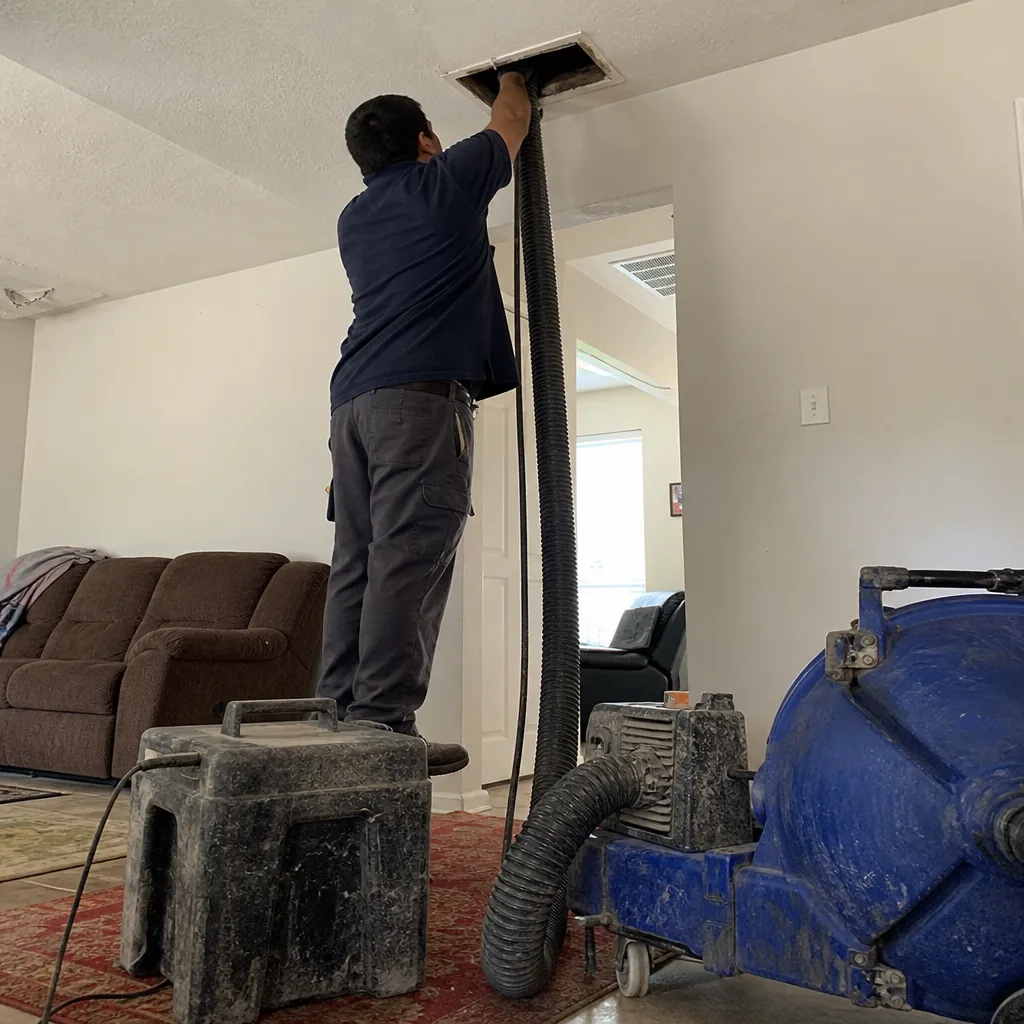 Before
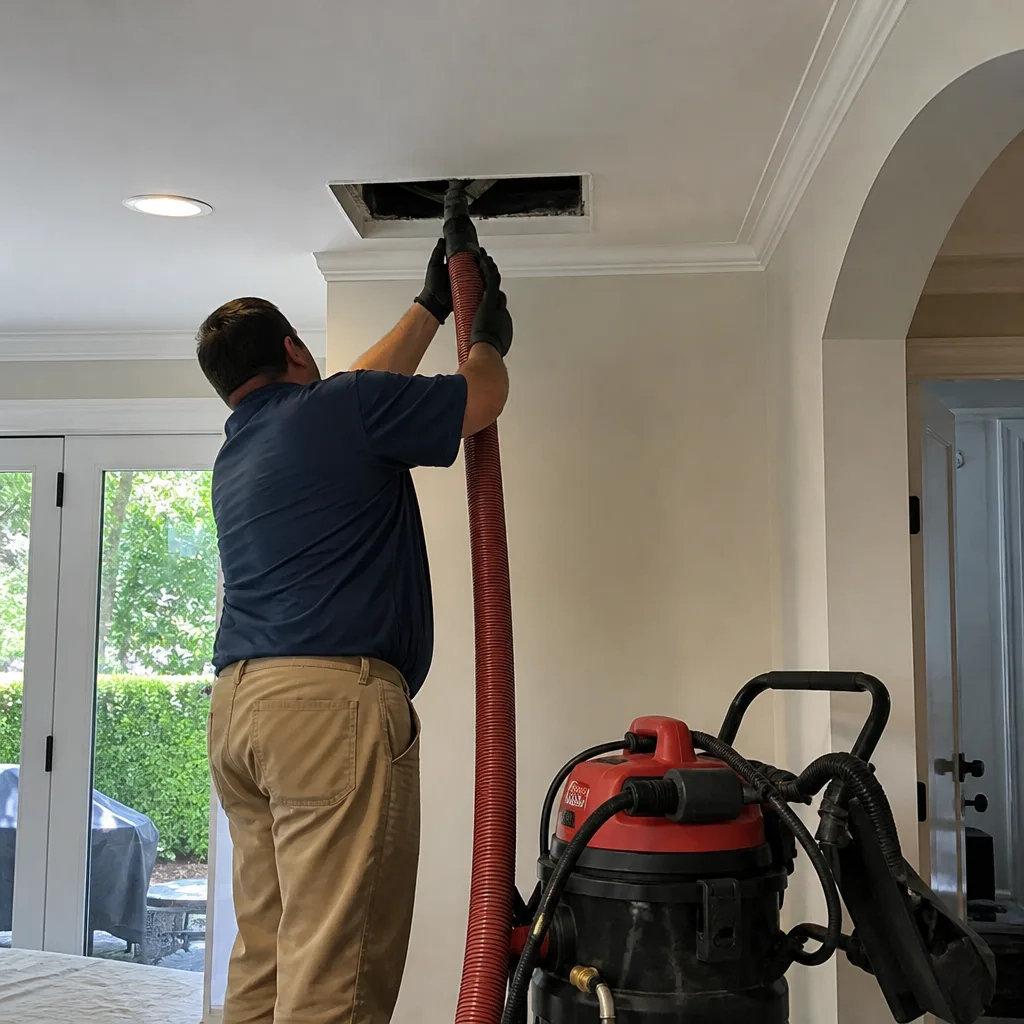 After
After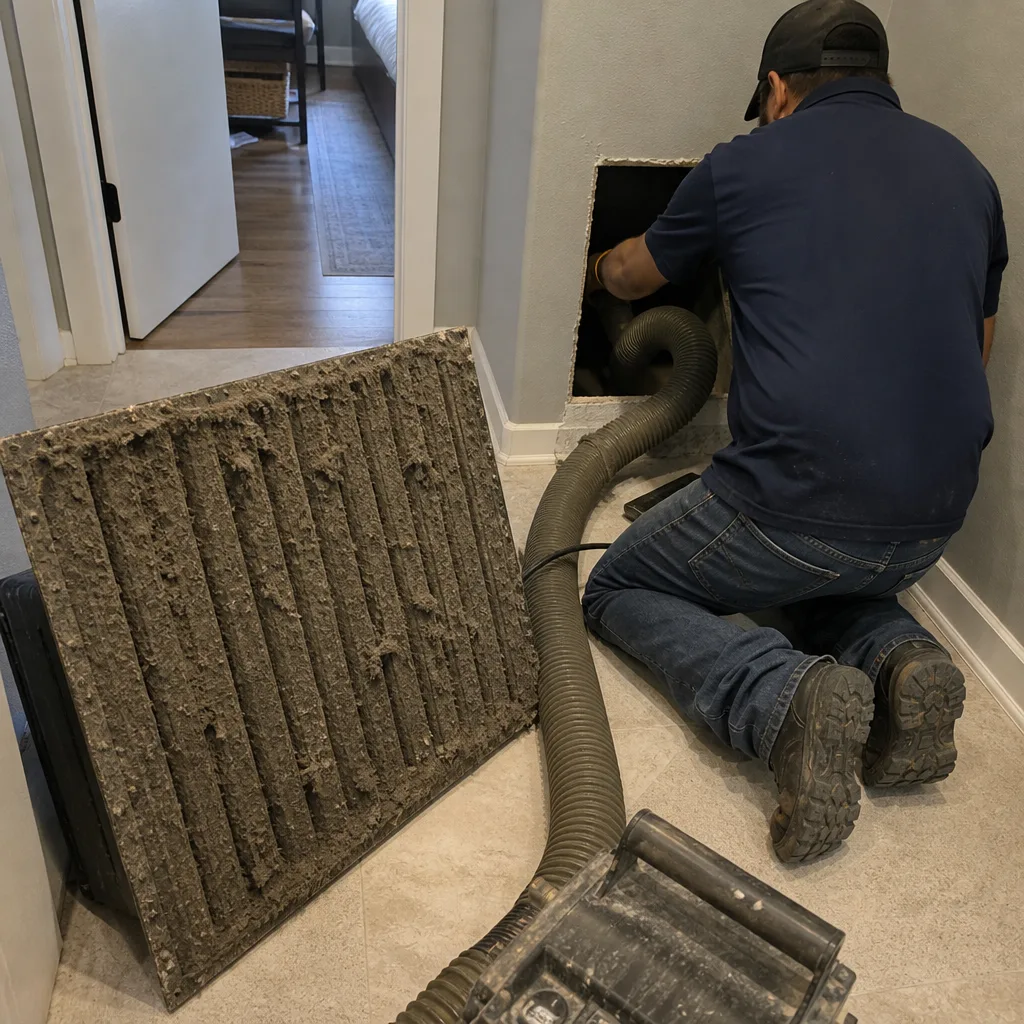 Before
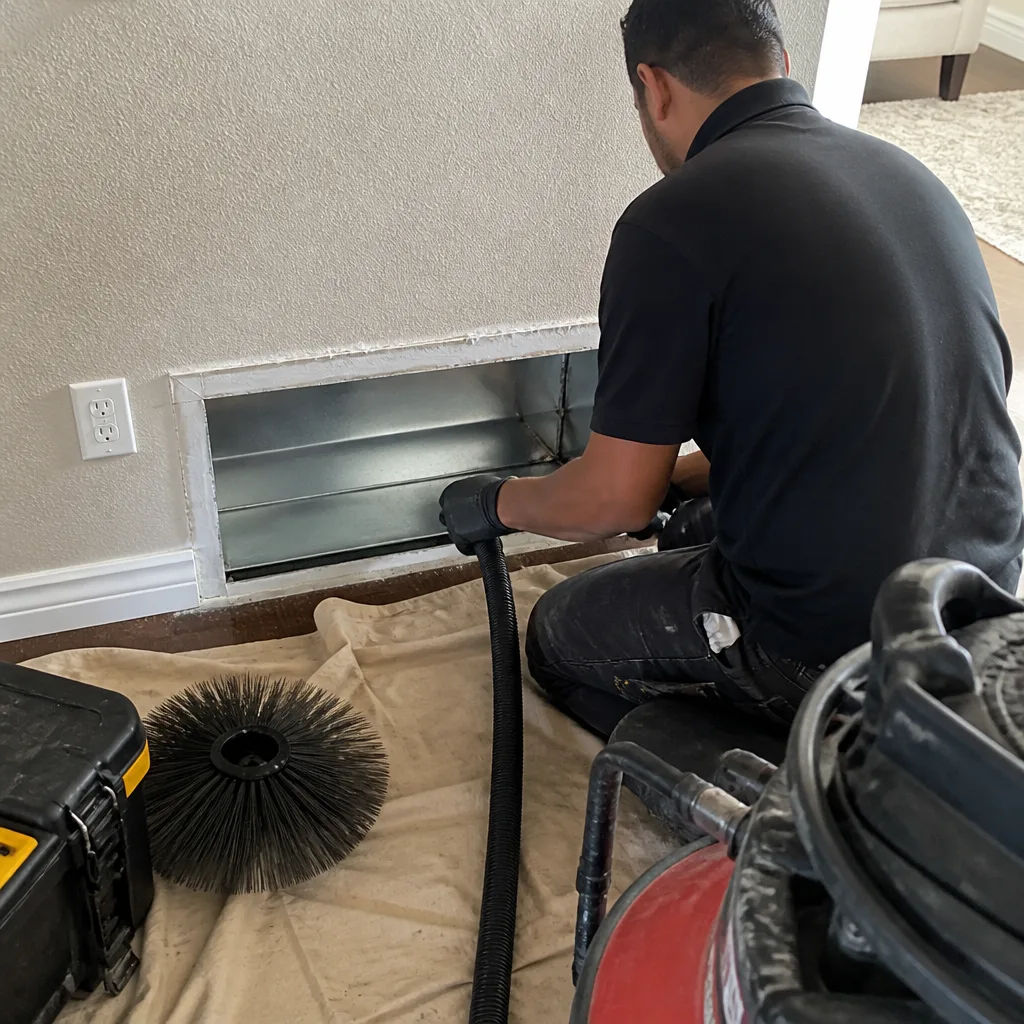 After
After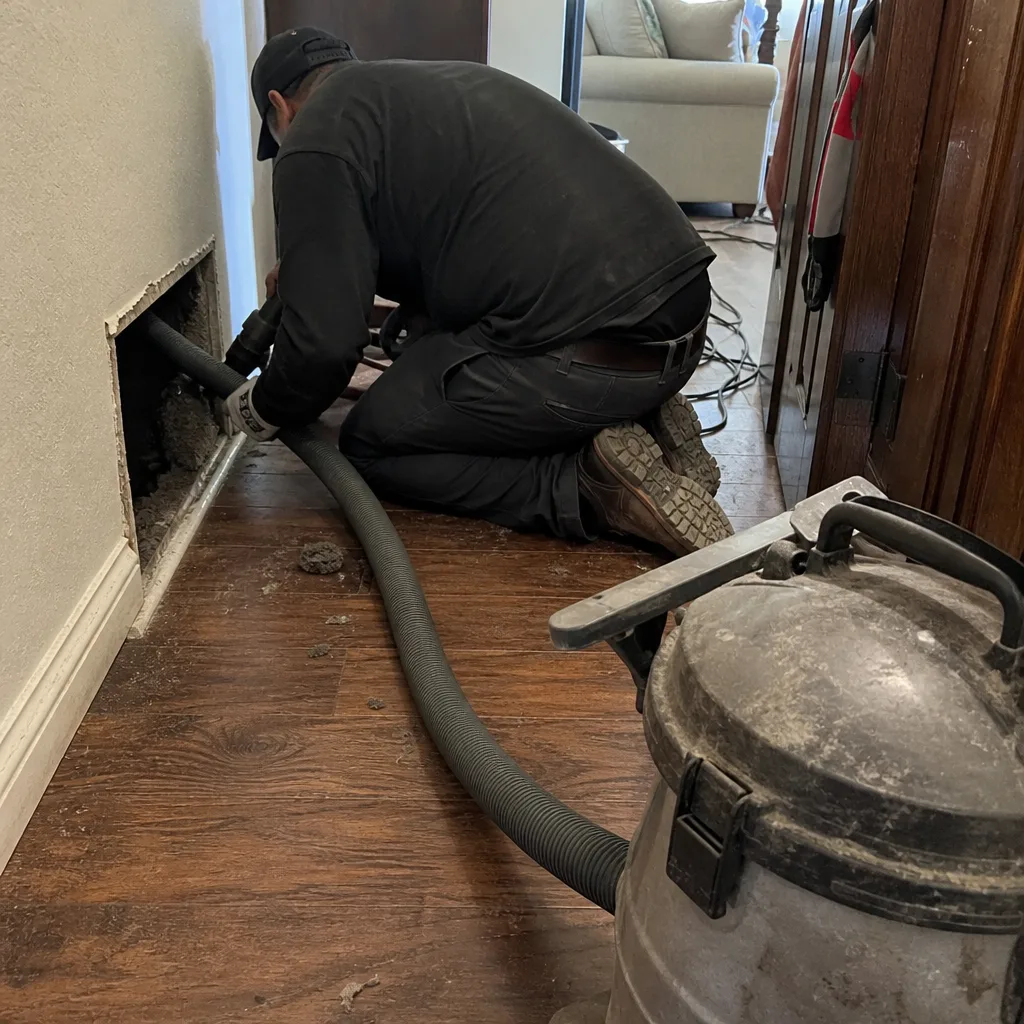 Before
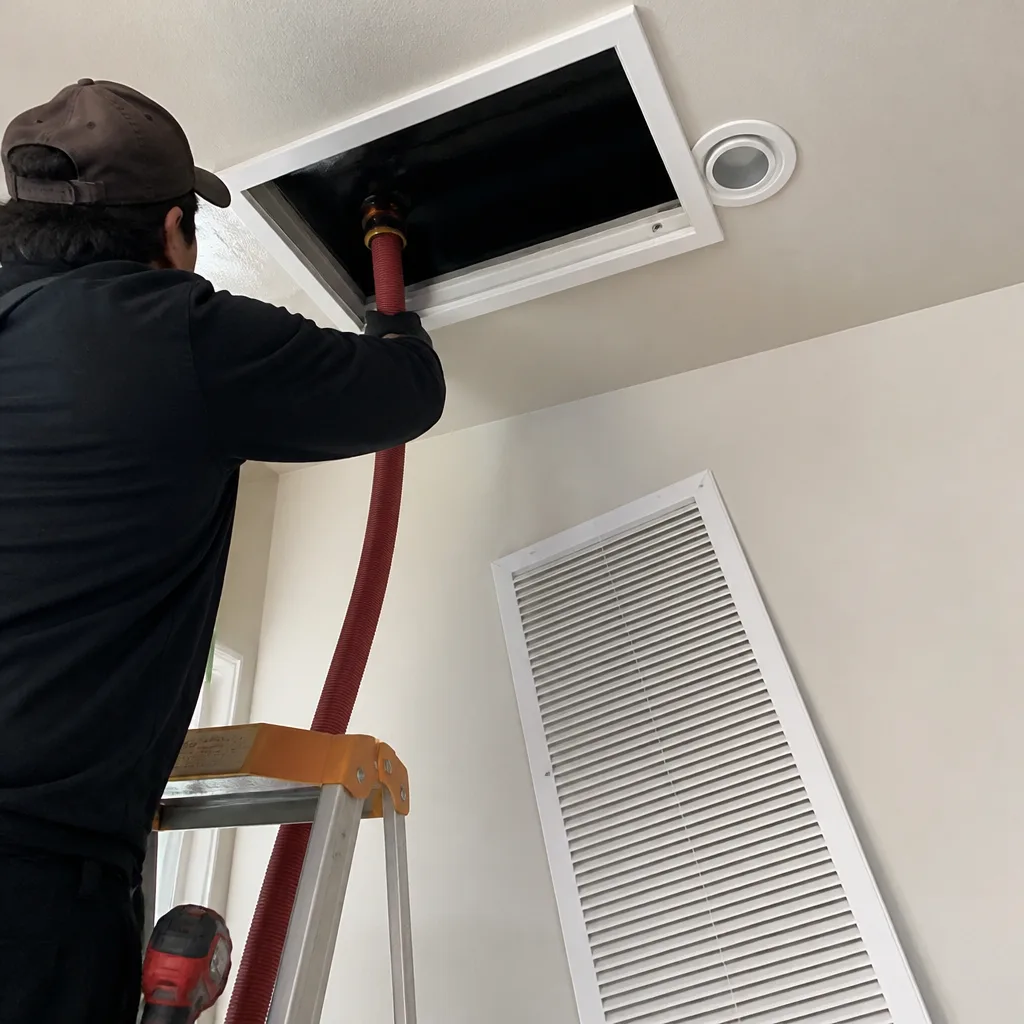 After
AfterReplacement Cost & What’s Included
Our installed pricing for Rotobrush vent sanitizing components in the Austin market breaks down like this:
| Part | Typical Installed Range |
|---|---|
| Pickup tube and cap assembly | $45 – $75 |
| Inline check valve | $40 – $65 |
| Wand o-ring seal kit | $35 – $55 |
| Agitator tip (nozzle) | $50 – $85 |
| Complete wand assembly | $145 – $310 |
Every quote includes the part, labor, and testing before we leave. You get one flat price in writing before we open the machine, and our 365-Day Done Right Promise covers the work. If the replacement part fails within a year, we come back and make it right at no charge.
DIY or Call Us?
If you’re comfortable checking whether the pickup tube is cracked and the bottle cap is tight, that’s a reasonable five-minute look that can save you a service call. The pump mechanism, the electrical harness, and anything involving the thermal cutoff should stay in professional hands. These are low-voltage components, so the danger isn’t shock, it’s forcing a worn part that then fails mid-job and leaves sanitizer pooled inside unsealed drywall cavities. That’s a mold invitation in an Austin July.
If you’d rather not guess, call (940) 461-7203 and tell us which Rotobrush you’re running and what it’s doing right now. We’ll give you a straight answer and a written price before anyone shows up.
FAQs
A well-maintained wand assembly typically lasts four to six years in Austin’s climate, though the o-rings and pickup tube usually need replacement every 18 to 24 months regardless of how carefully you use it. Heat and hard water are the two things that kill these parts fastest.
Sometimes, yes. Clogged nozzles and check valves can often be cleaned, but cracked fittings and worn agitator tips are replacement jobs. During a service call we’ll tell you which one yours is, and we won’t sell a replacement if a cleaning fixes it.
Most Rotobrush vent sanitizing part swaps take 30 to 45 minutes on site. If we have the part on the truck, which we do for the common failures, the whole visit is usually under an hour. Call (940) 461-7203 for an exact quote.
We stock the frequent failure items on our service trucks: pickup tubes, check valves, o-ring kits, and agitator tips. Complete wand assemblies may need to be ordered, which usually takes two to three business days. When you call, we’ll tell you what we have before you book.
Written by Marcus Veale, Owner, Linden Air Duct Austin at Linden Air Duct Austin, serving Austin and nearby areas.