
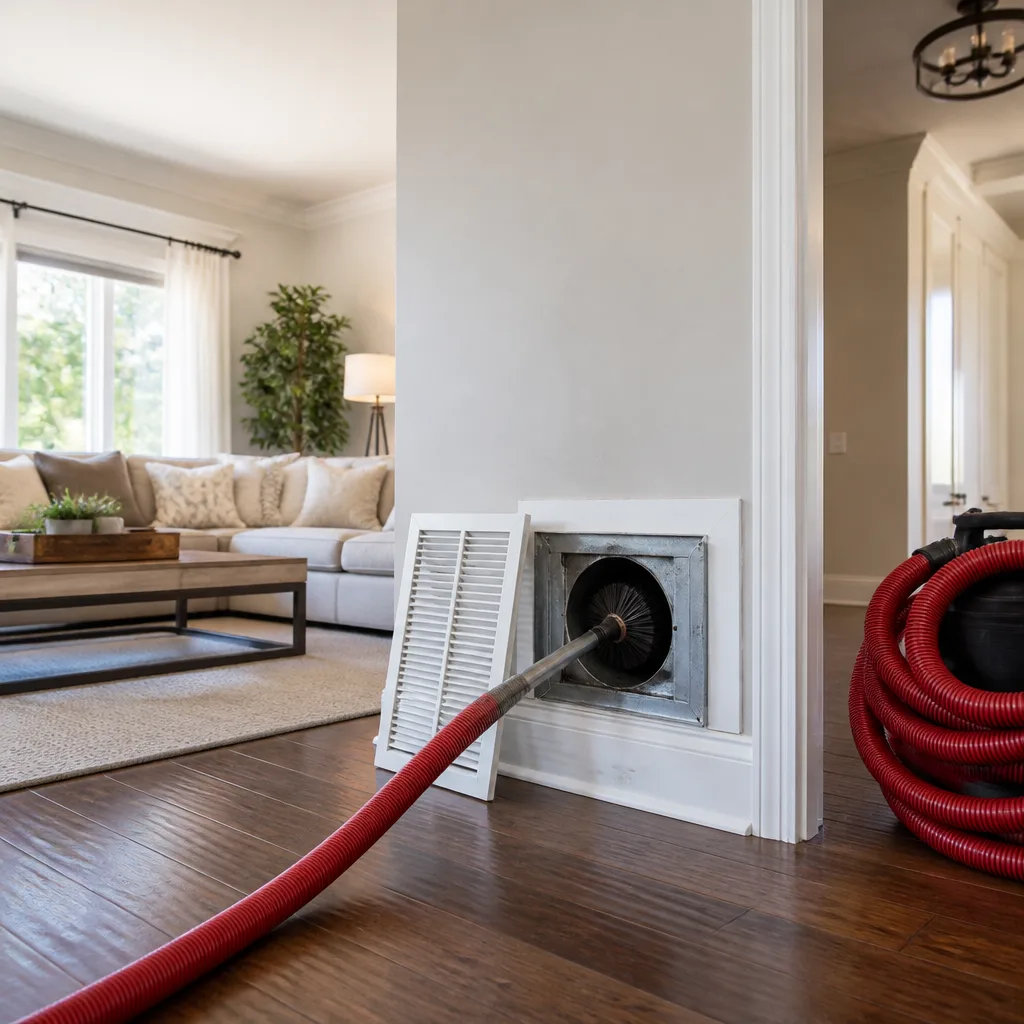
 Whole-home duct cleaning
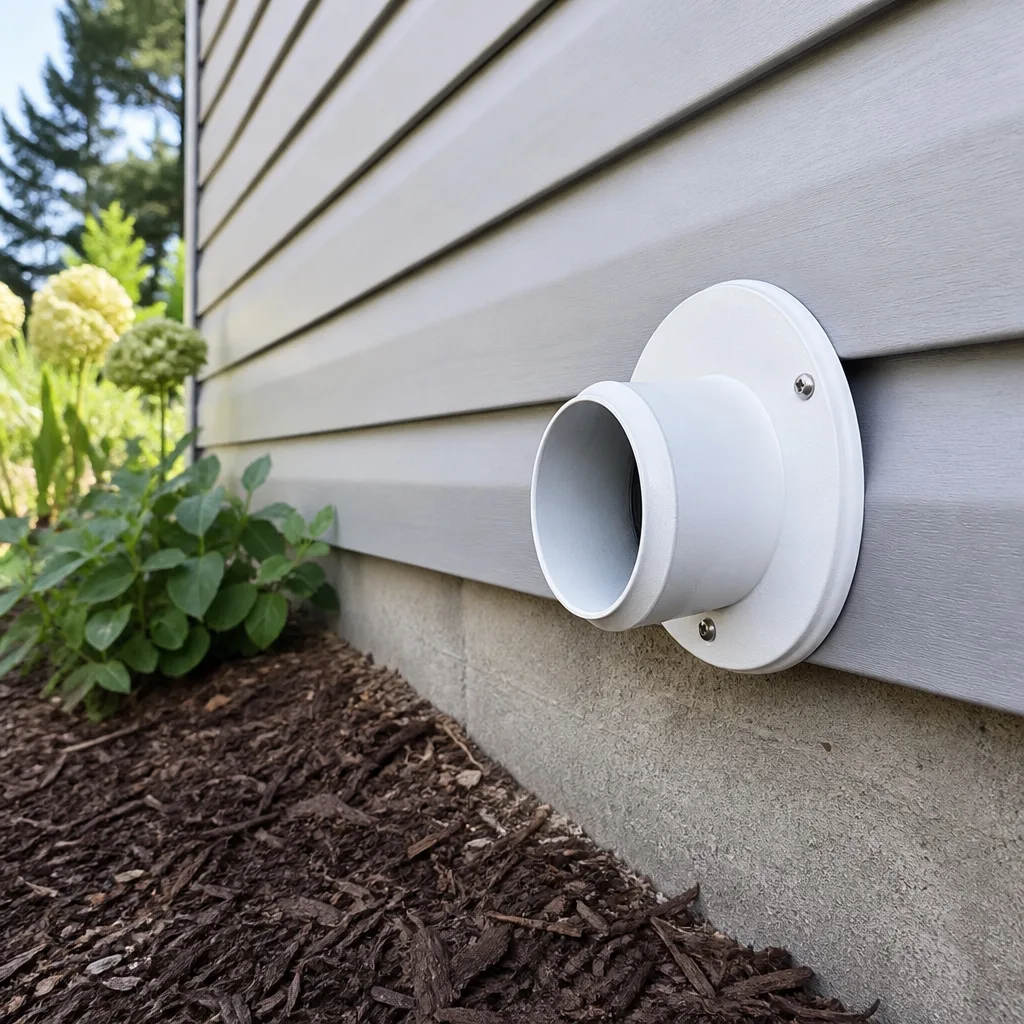 Dryer vent cleaning
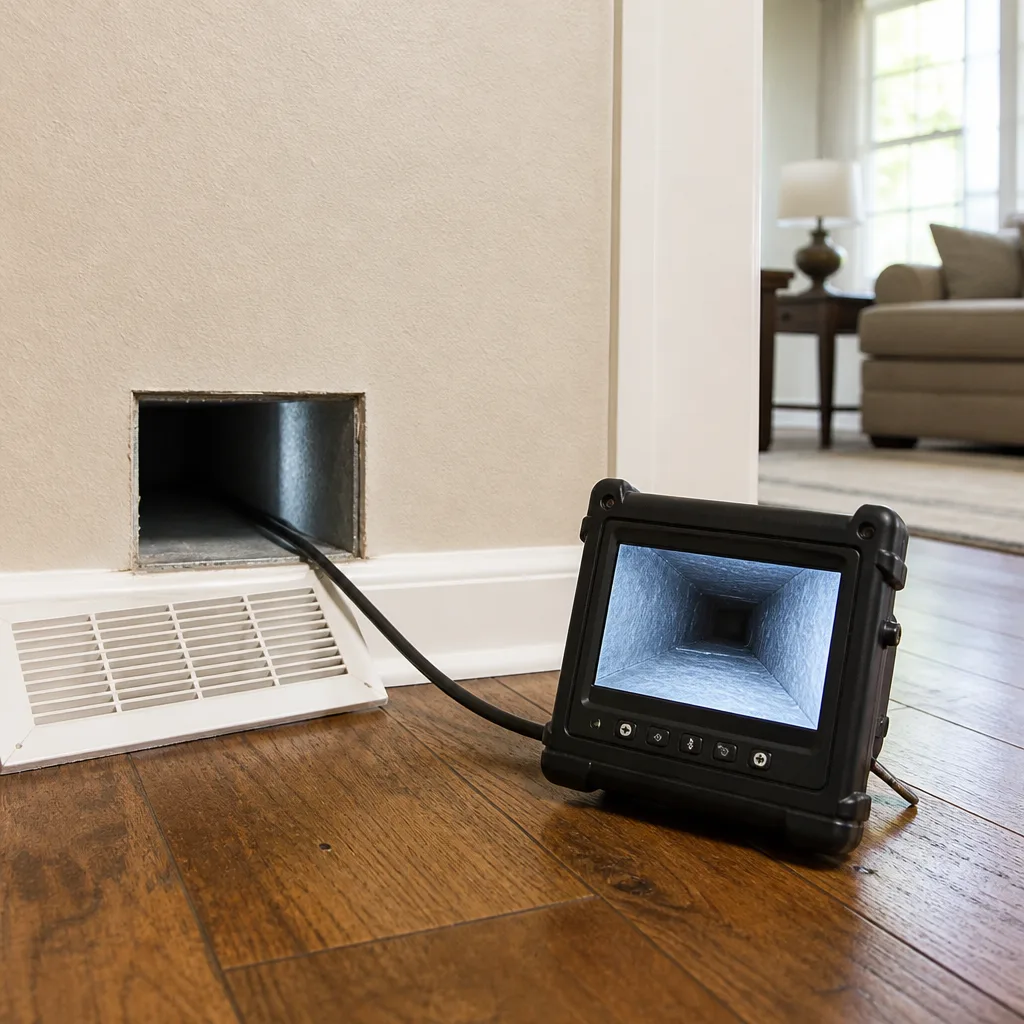 Camera inspection
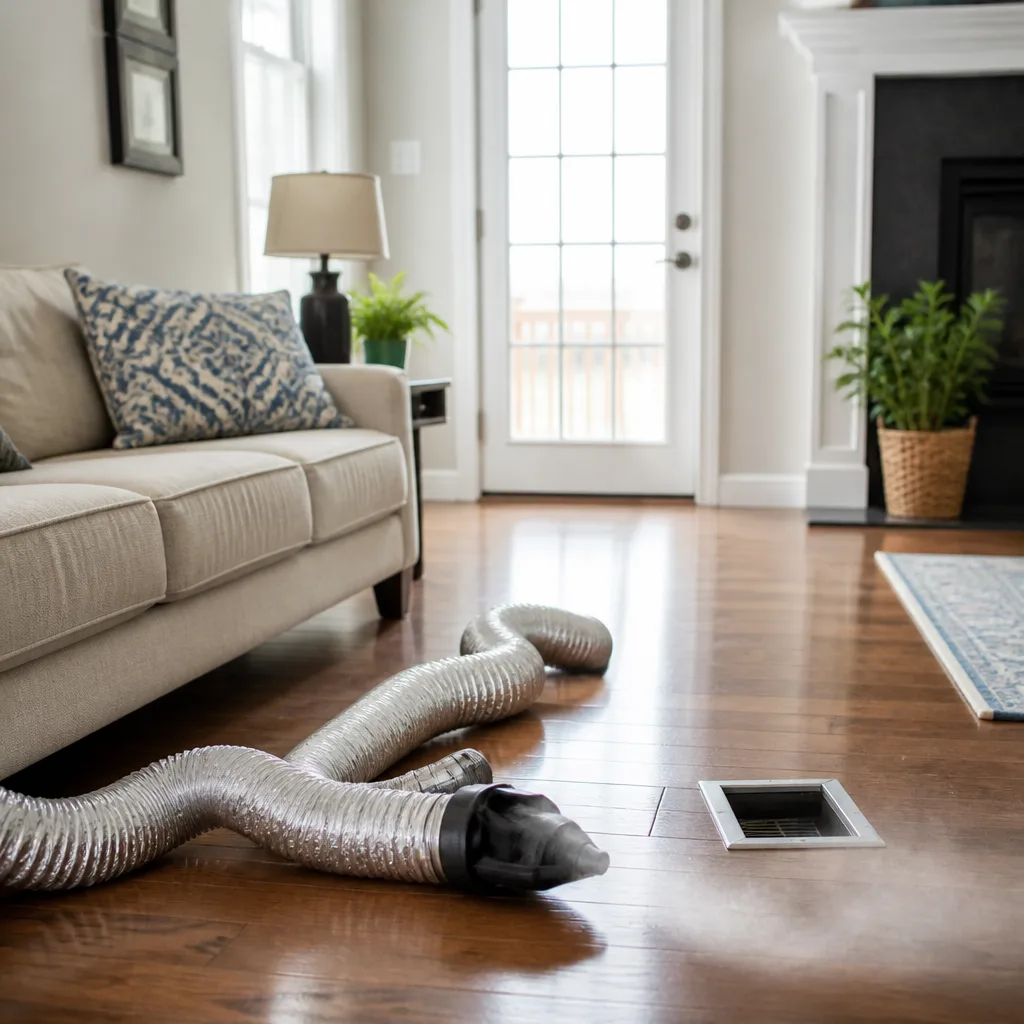 Sanitizing & deodorizing
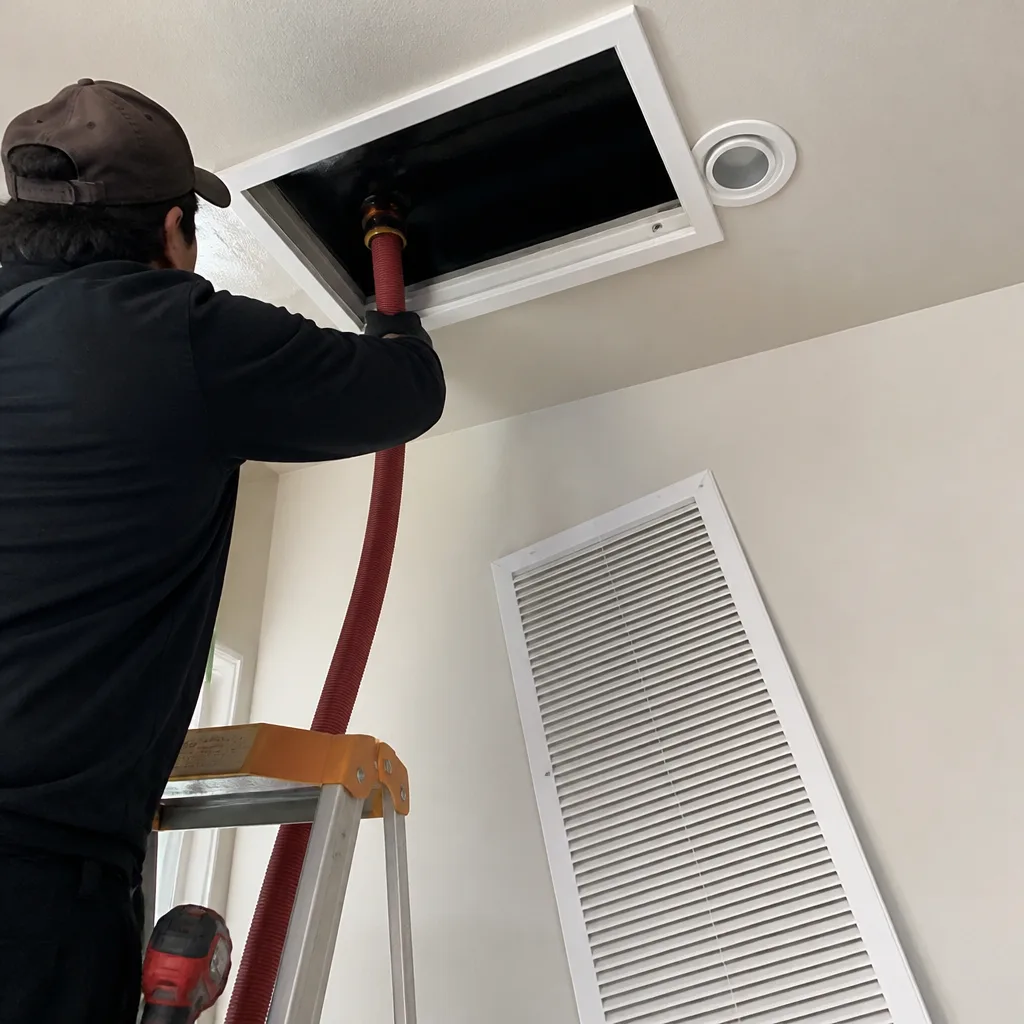
Whole-system duct and dryer vent check with before-and-after photos - you see exactly what came out of your vents
That "$99 whole-house special" is a bait ad - the real number appears once they are in your hallway, or the "clean" is a shop-vac at the register. We photograph the inside of your ducts before and after instead.
Nikro Coil Cleaning: The Austin Owner’s Guide
If you own a Nikro coil cleaning machine and the coil is fouled, cracked, or simply not pulling chemical the way it used to, we stock and install replacement coils for most Nikro units. In Austin, a coil replacement on a Nikro unit typically runs between $185 and $420 installed, depending on the model and whether you need the full coil assembly or just the coil itself. Most swaps are done on the spot at your location, since we keep common Nikro coil sizes on the truck.

The way owners usually discover the coil has failed is subtle at first. You’ll notice the unit runs but doesn’t produce the same foam volume, or the pressure gauge reads lower than it did last season. Sometimes the coil looks fine from the outside but has a hairline crack that only leaks under pressure. By the time a coil fails outright, the machine is essentially a very expensive paperweight. The good news: this is one of the simplest fixes on a Nikro unit, and we can usually have you back cleaning coils in under an hour.
Which Nikro Models This Applies To
We work on the Nikro coil cleaning line that covers most residential and light commercial units still in service around Austin. That includes the Nikro CC-600, CC-800, and the older CC-400 series, plus the coil cleaning attachments that came bundled with Nikro’s duct cleaning packages. The quickest way to identify your coil is to check the label plate on the side of the machine: it lists the model, serial, and usually the coil spec stamped as a part number starting with NK-CC.
Here’s the compatibility gotcha most owners don’t know until it bites them: Nikro changed the coil fitting size on units manufactured after 2012. The older coils use a 3/8-inch NPT inlet, while newer units take a 1/2-inch quick-connect. They look nearly identical sitting side by side, but one will not thread onto the other. If you’re ordering a coil sight unseen, measure the inlet diameter or send us a photo of the old coil next to a quarter, and we’ll match it correctly the first time.
On the OEM-versus-aftermarket question: we stock genuine Nikro coils, but for out-of-production models where Nikro no longer supplies parts, we use a Texas-made aftermarket coil built to the same spec and warrantied identically. The aftermarket option is often the only option for CC-400 owners, and honestly, it’s held up just as well in our experience. We’ll tell you which one you’re getting and why before we install anything.
We’re an independent service provider, not a Nikro affiliate or factory rep. That means we carry what works, not just what the catalog says.
Styles & brands we work with
Signs Your Nikro Coil Cleaning Is Failing
- Weak or uneven foam output. The coil is losing its ability to heat or mix chemical and water properly. You’ll see this first on the coil you clean most often: the foam just sits there instead of clinging.
- Pressure gauge reads low or fluctuates. A cracked coil will often hold pressure at idle but drop it the moment chemical flows through. That hairline crack opens under load and closes when the trigger is released.
- Visible corrosion or white crust at the coil fittings. Austin’s hard water is rough on coils. Mineral buildup at the inlet and outlet is a sign the coil has been leaking slowly for a while, and the buildup itself accelerates the failure.
- The unit runs hot but no chemical comes out. If the heating element is working but the coil is fully blocked with scale, you get heat with no flow. This is common on units that sat unused over a Texas summer with chemical still in the lines.
- Chemical smell outside the machine, not at the nozzle. A pinhole leak in the coil will atomize a little chemical into the air around the unit. It’s faint, but if you smell it, trust your nose: the coil is weeping.
See the difference
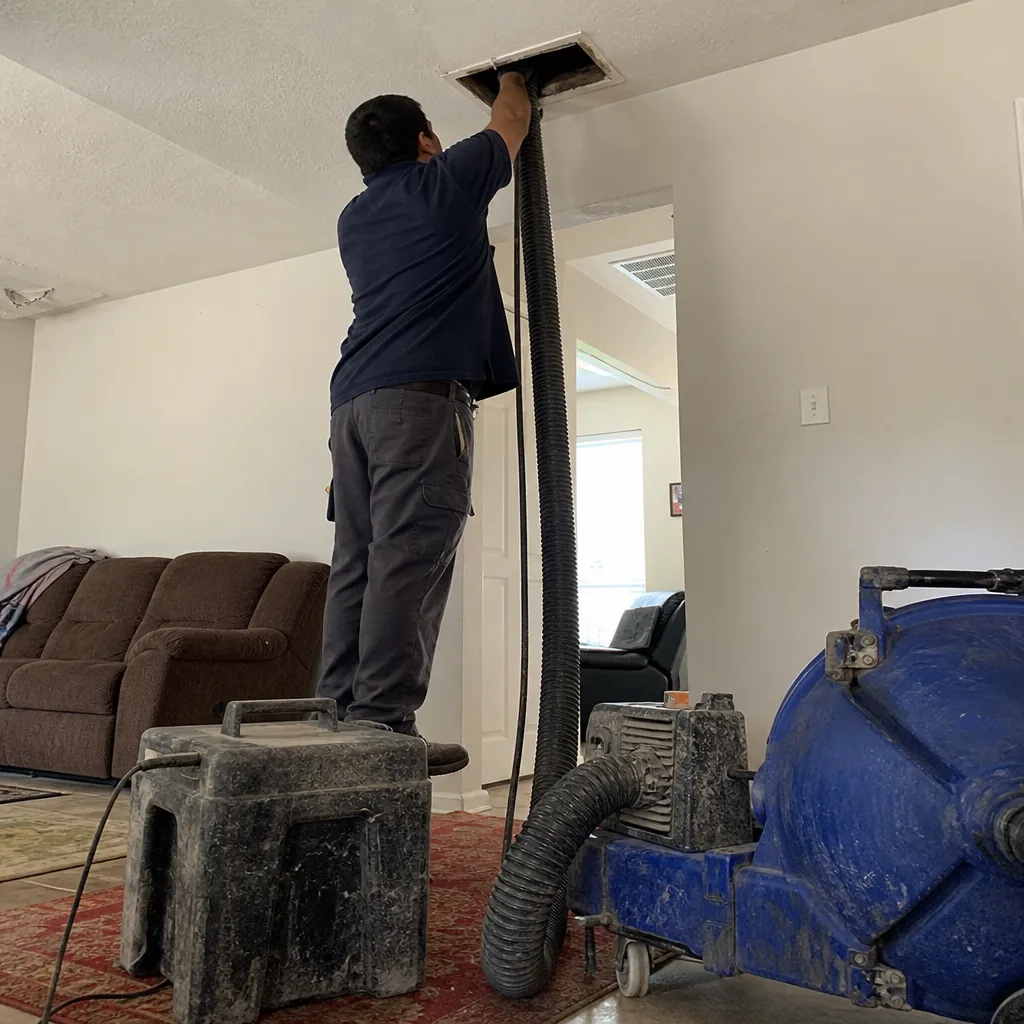 Before
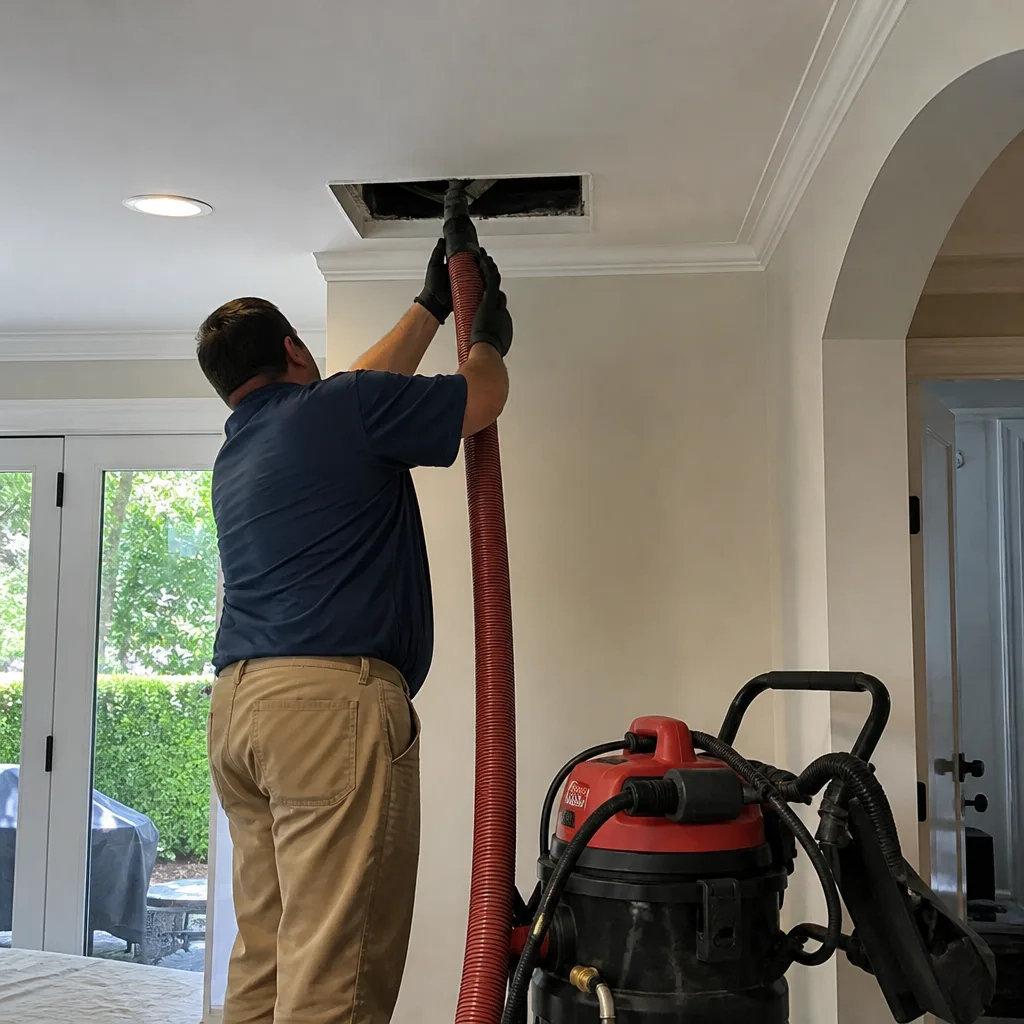 After
After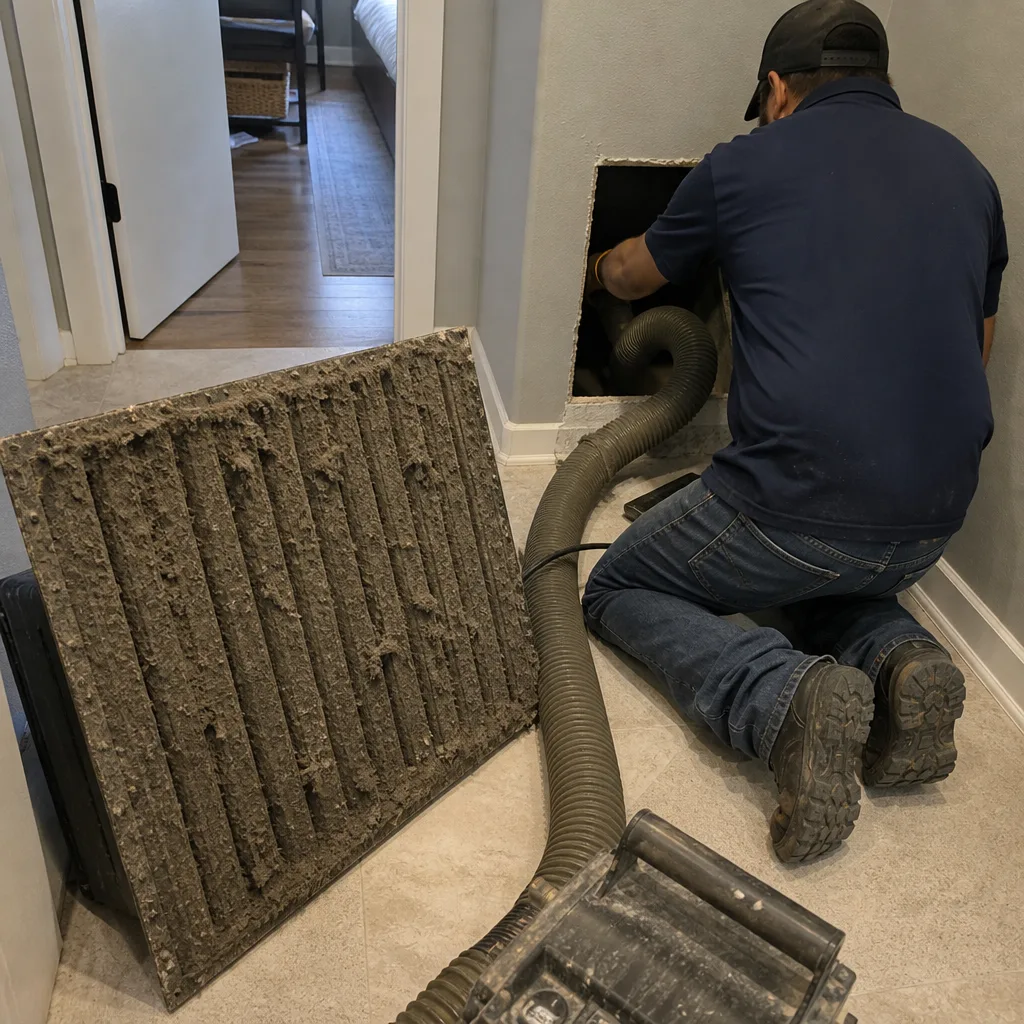 Before
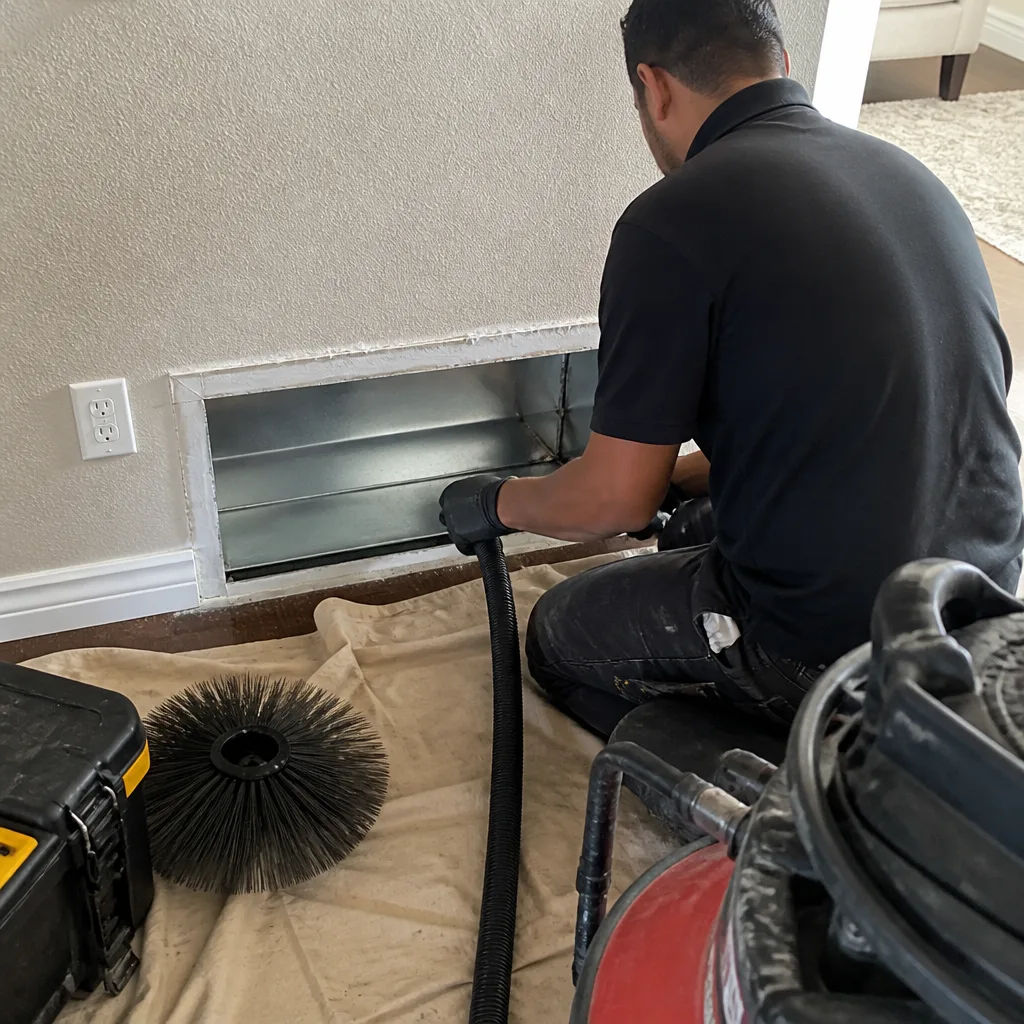 After
After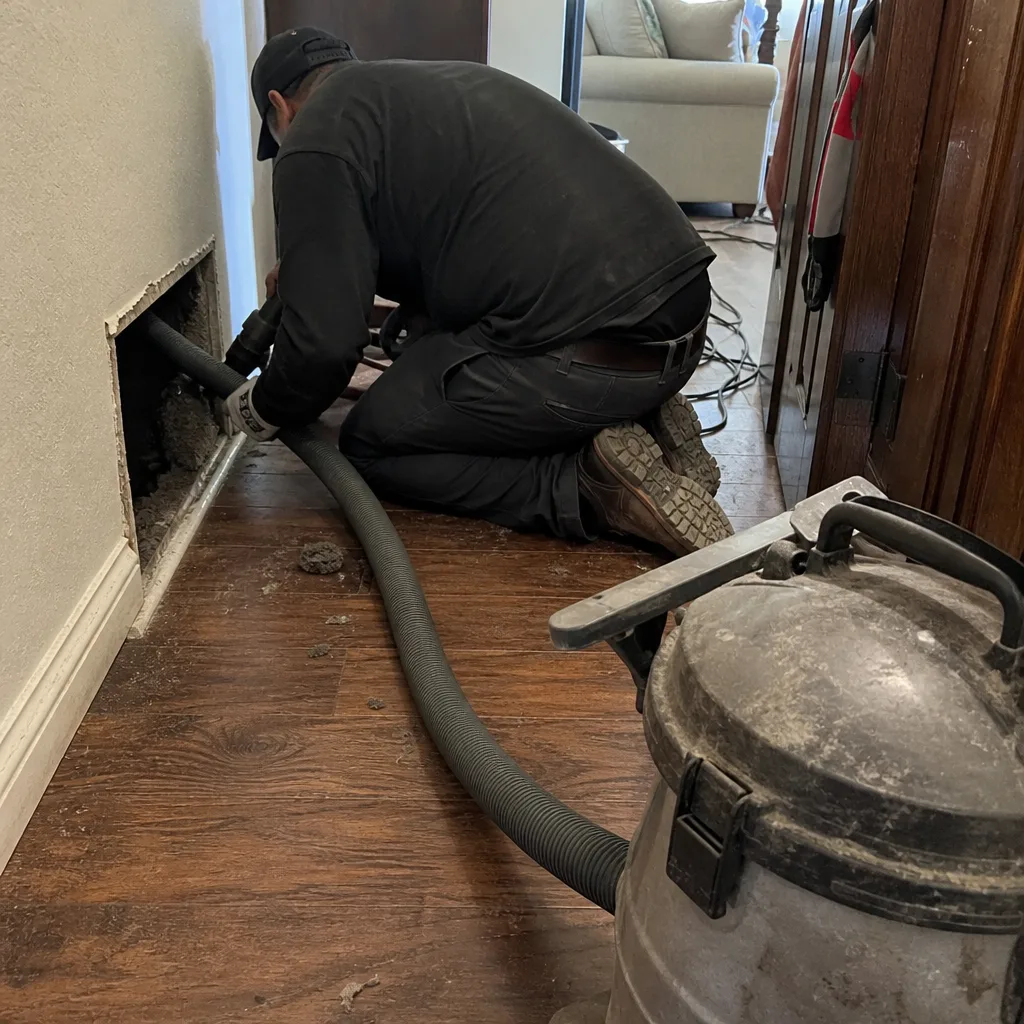 Before
 After
AfterReplacement Cost & What’s Included
Here’s the honest price picture for Austin, because you should know what you’re approving before we touch the machine.
| Service | Installed Price Range |
|---|---|
| Coil only, common Nikro units (CC-600/CC-800) | $185 – $260 |
| Coil plus fittings and chemical line flush | $240 – $320 |
| Full coil assembly with pressure check | $300 – $420 |
| Out-of-production models (CC-400) with aftermarket coil | $220 – $340 |
The range depends on whether we’re replacing just the coil or also the quick-connect fittings, and whether the chemical lines need to be flushed. Austin’s hard water means about a third of the units we see need the flush, but we’ll tell you before we do it. Every coil replacement includes a written price before work starts and a 365-Day Done Right Promise on the part and the labor. If it fails within that year, you get a free second visit, and if the coil is defective, we replace it at no charge.
DIY or Call Us?
You can safely check a few things yourself before calling: inspect the coil for visible cracks or crust, note the model number, and snap a photo of the inlet fitting. That saves a trip and helps us bring the right part the first time.
What you should not do is try to unscrew a coil fitting while the unit is still pressurized or still warm from use. The chemical inside these machines is under pressure even when the machine is off, and it’s not something you want spraying across your garage or into your eyes. Coil replacement is low-risk when the unit is depressurized and the chemical line has been bled. It goes badly wrong when someone skips that step. If you’re not certain the line is bled, call us at (940) 461-7203. We’d rather walk you through a five-minute safety check over the phone than have you learn about pressure the hard way.
FAQs
In Austin’s water conditions, a Nikro coil typically lasts 4 to 7 years with regular use. Hard water mineral buildup is the main killer, and coils that get flushed with clean water after every job reliably outlast coils that don’t. If you’re on a well anywhere around Dripping Springs or the Hill Country, expect the shorter end of that range unless you flush religiously. Call us if you’re unsure whether your coil is at the stage where replacement is cheaper than continued flushing.
Small pinhole leaks can sometimes be patched, but we generally don’t recommend it on a coil that’s already showing corrosion. The patch usually fails within months because the surrounding metal is already compromised. We’ll tell you honestly if your coil is a candidate for a patch, but in most cases, a replacement is cheaper over two years than a patch that fails mid-job. Call (940) 461-7203 and we’ll give you a straight answer based on the coil’s condition, not on what makes us more money.
Most coil replacements on Nikro units take 45 to 90 minutes on site, including depressurizing the unit, swapping the coil, flushing the chemical line, and running a pressure test. Out-of-production models take a little longer because we usually have to adapt the aftermarket coil to the older fittings. We do the work at your location, so you’re not shipping your machine anywhere.
We keep the common coils for CC-600 and CC-800 units on the truck, plus the aftermarket coils that fit the CC-400. If your unit needs a less common spec, we can usually have it in hand within two to three business days. Tell us your model number when you call and we’ll know before we arrive whether it’s a same-visit fix or a two-trip job.
If your Nikro unit is down, don’t let it sit: every week a coil sits with chemical in the lines, the scale problem gets worse. Call us at (940) 461-7203 for a free estimate and a live person will answer, any hour, any day. Tell them what the system is doing, and Marcus Veale will tell you what it needs: no upsell, no alarm, just the straight answer. We also stock parts for Lennox, Trane, and Carrier units if the problem turns out to be bigger than the coil.
Written by Marcus Veale, Owner, Linden Air Duct Austin at Linden Air Duct Austin, serving Austin and nearby areas.