
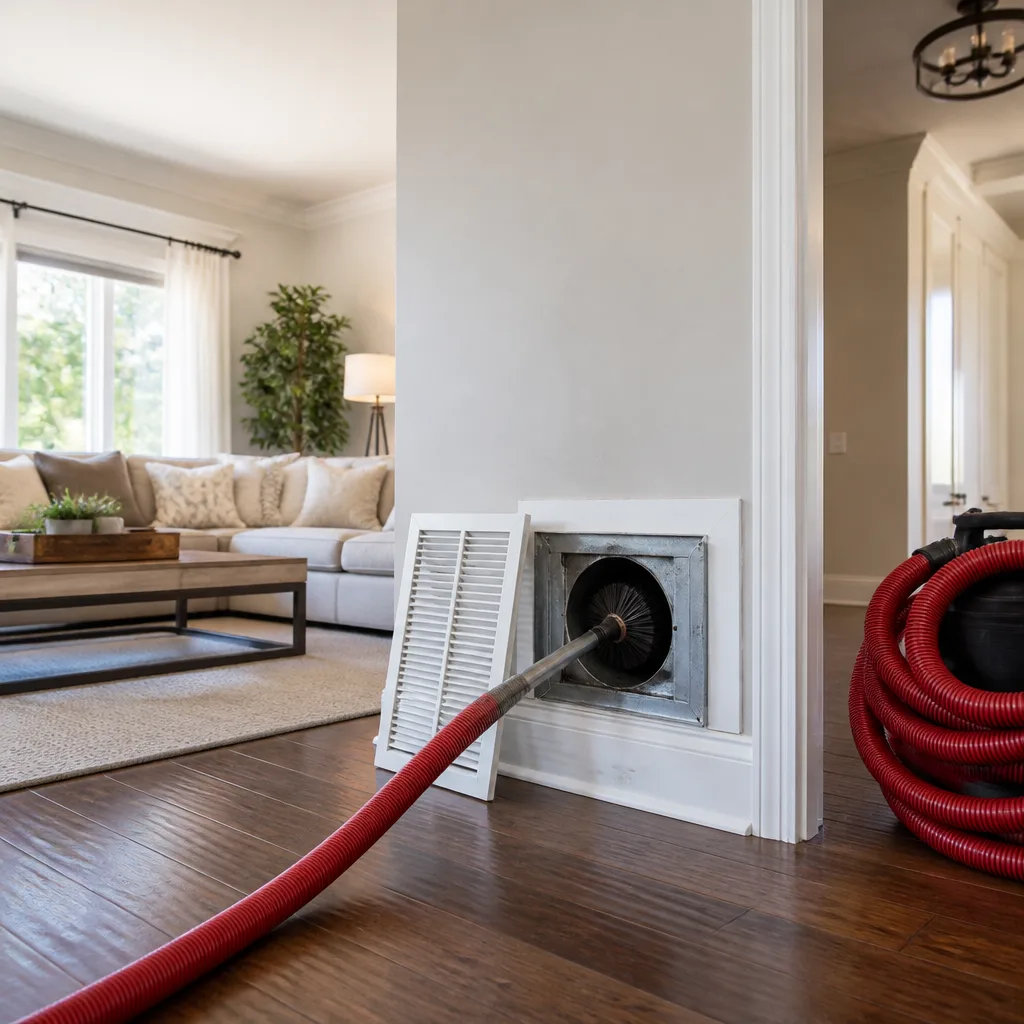
 Whole-home duct cleaning
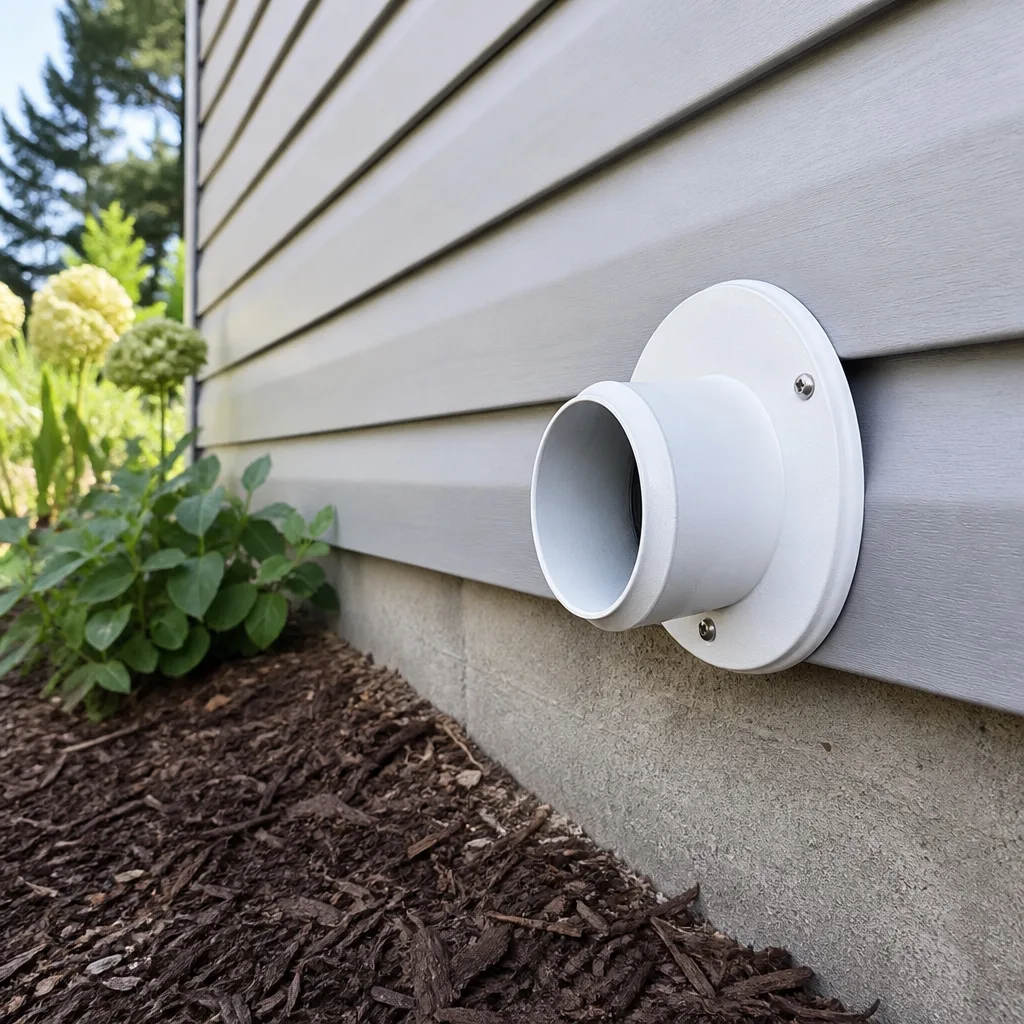 Dryer vent cleaning
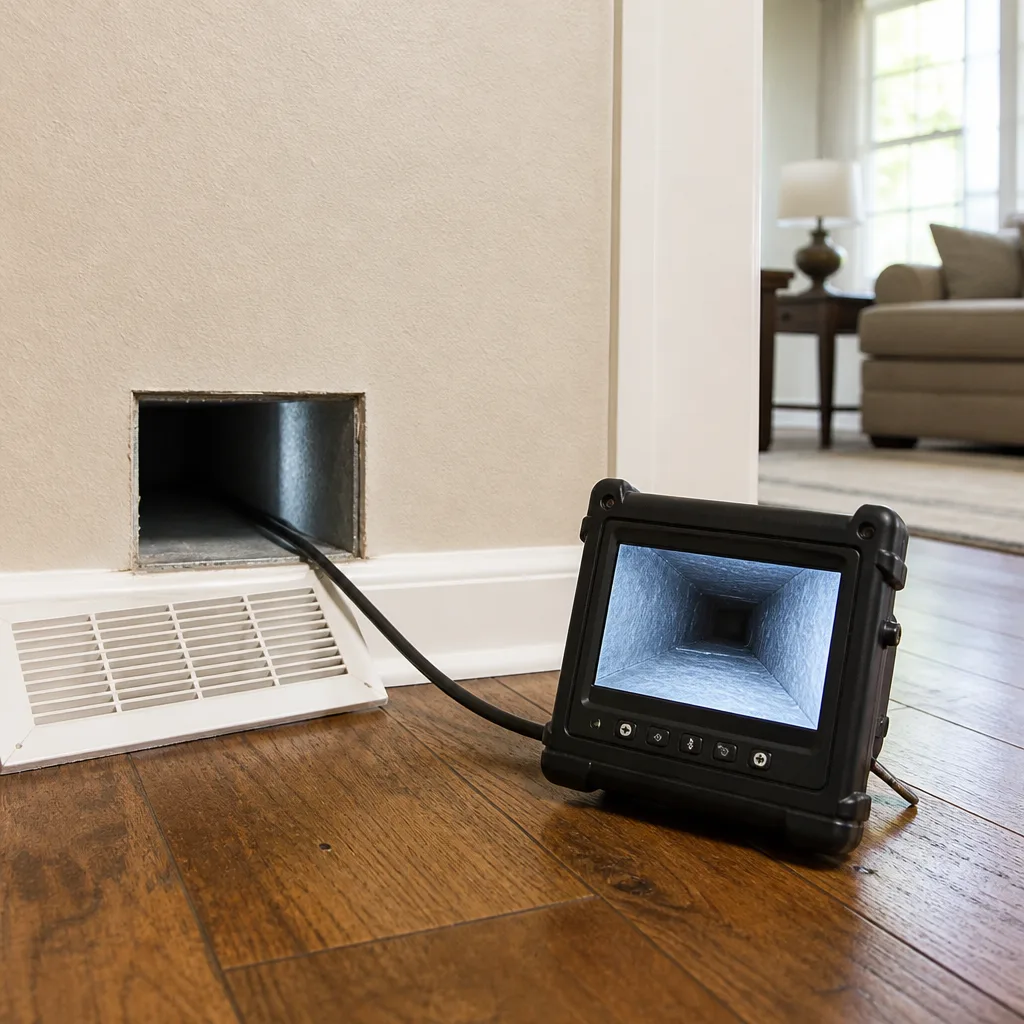 Camera inspection
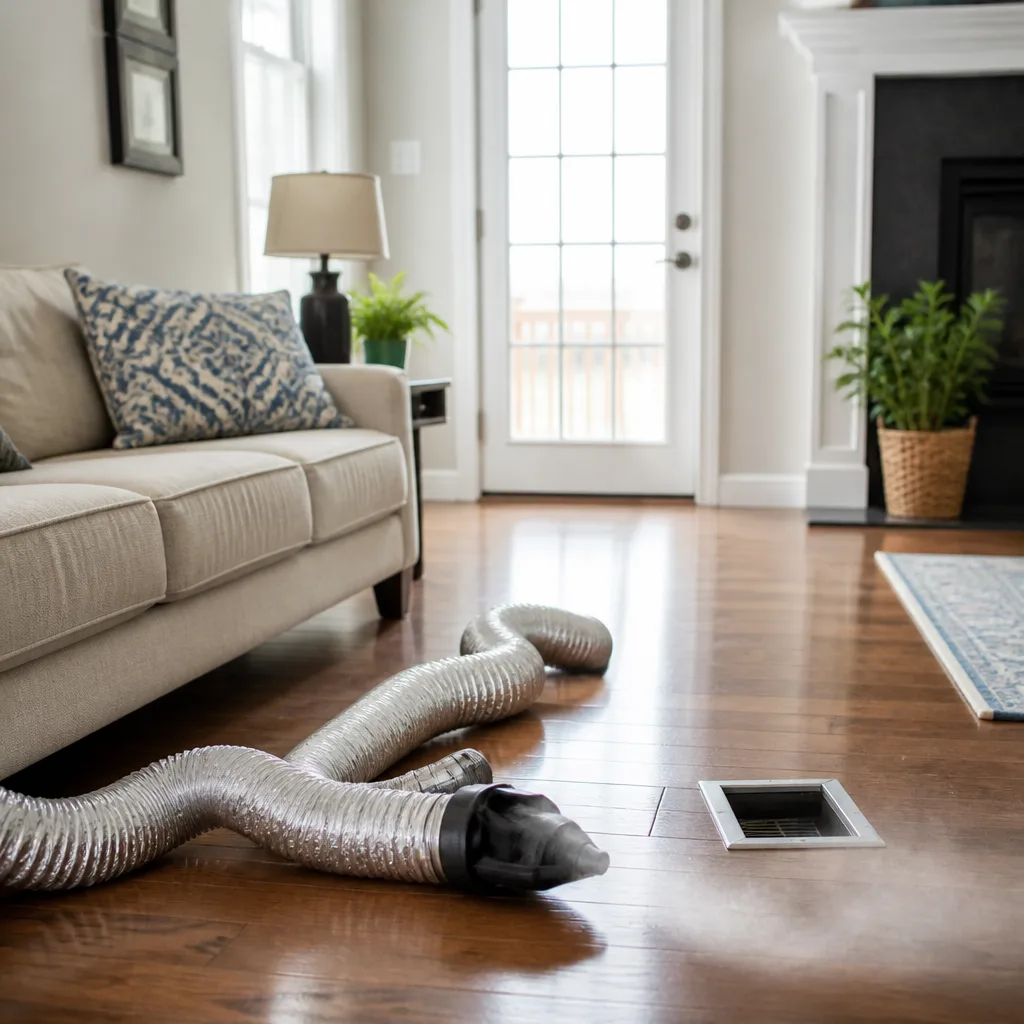 Sanitizing & deodorizing
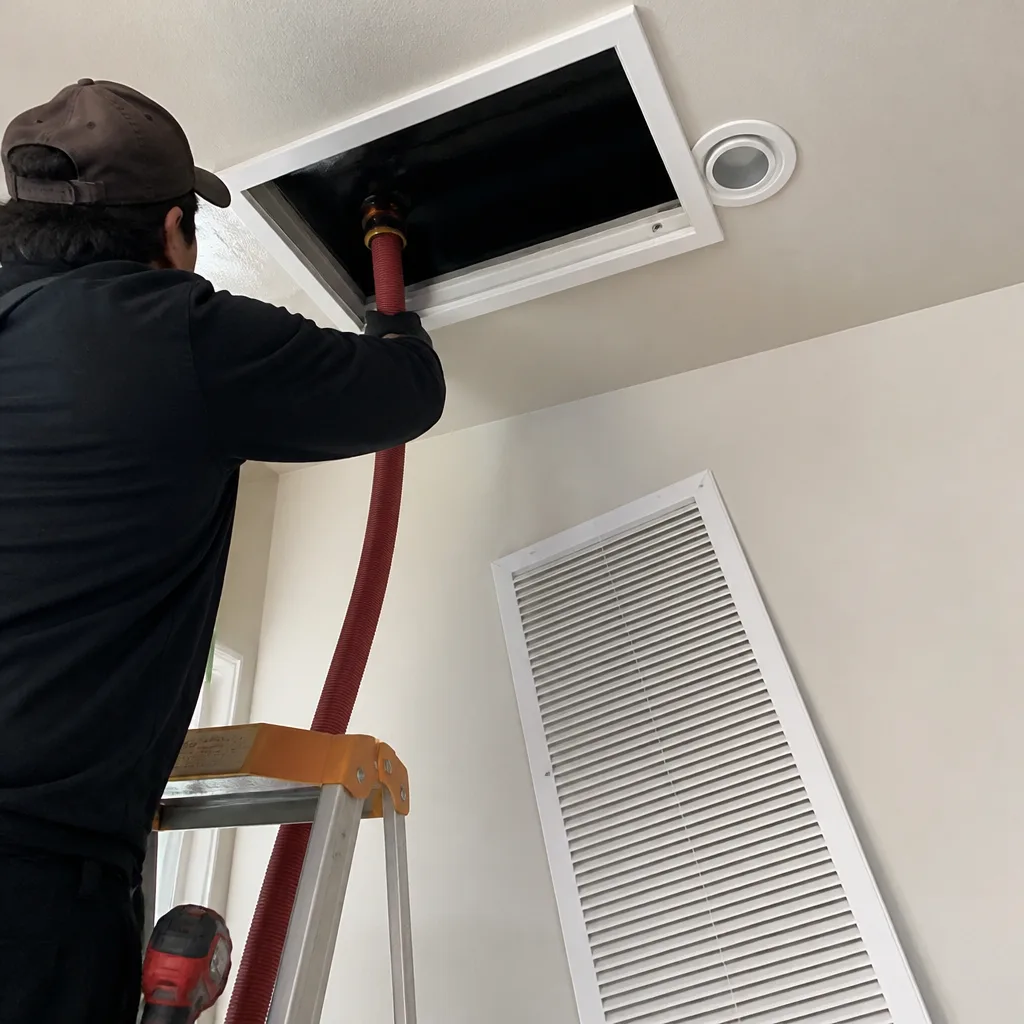
Whole-system duct and dryer vent check with before-and-after photos - you see exactly what came out of your vents
That "$99 whole-house special" is a bait ad - the real number appears once they are in your hallway, or the "clean" is a shop-vac at the register. We photograph the inside of your ducts before and after instead.
Honeywell Register & Grille Cleaning: The Austin Owner’s Guide
Honeywell register and grille cleaning in Austin typically runs $90 to $220 for a full home, depending on how many registers you have and how badly they’ve collected dust, pet hair, or cooking residue. We stock cleaning solutions and tools matched to Honeywell’s finish types, and most jobs are completed the same visit. If your registers look gray around the edges while the wall behind them stays clean, or you’ve noticed airflow feels weaker even after a filter change, the grilles themselves are usually the culprit.

What surprises most Austin homeowners is how fast debris builds on the register face and inside the curved louvers. Central Texas pollen, construction dust from all the new builds, and the fine limestone grit that blows in from the Hill Country settle on everything. Your Honeywell registers sit right at the end of the duct run, so they catch whatever your filter missed. Over time, that film bakes on from the temperature swings between air-conditioned interiors and the hot air moving through the system. Cleaning isn’t just cosmetic here. A dirty register restricts airflow, and restricted airflow makes your system work harder than it should. Marcus Veale has walked into Austin homes near Barton Creek Greenbelt where register buildup was cutting noticeable airflow, and the homeowner thought they needed a new blower motor. They didn’t. They needed the grilles restored to full flow.
Which Honeywell Models This Applies To
Honeywell sells registers and grilles across several home lines, not just one model family. The most common in Austin homes are the Honeywell Home series, which includes both basic stamped-steel registers and higher-end aluminum models with multi-directional louvers. You’ll also see Honeywell ceiling diffusers in homes with slab foundations, where duct runs drop from the attic through the ceiling rather than coming up through the floor. The good news is that Honeywell registers mount to standard duct openings: 4×10, 4×12, 6×10, and 6×12 inches are the four you’ll run into most often. Even the odd-size returns usually follow a standard pattern.
The compatibility gotcha is in how the register mounts. Older Honeywell models use a face-mount design that leaves a visible trim ring around the opening. Newer models use a friction-fit design that tucks inside the boot with no visible screws. They look similar from across the room, but they’re not interchangeable without modifying the opening. That’s the kind of thing you don’t notice until the new grille doesn’t sit flush or leaves a gap at the edge. Before you order anything, pull your existing register off and measure the duct opening, not the grille face. Then look at the back of the grille for a stamped model number, usually starting with an HK or HZ prefix. If the stamp is worn off, measure and match to one of the four standard sizes. As an independent service provider, we’re not affiliated with Honeywell, but we work with their products daily and know which models clean up well and which ones are better replaced than restored.
Styles & brands we work with
Signs Your Honeywell Register & Grille Cleaning Is Failing
- Gray or brown film that won’t wipe off with a dry cloth. This is the classic Austin signature: fine dust mixed with humidity, baked onto the metal or aluminum fins. It’s not just surface dirt anymore. It’s bonded to the finish, and aggressive scrubbing will scratch the coating off before it removes the film.
- Weak airflow from one vent while others blow strong. Dirt buildup inside the louvers narrows the air path. A register that’s 40% blocked will make a room noticeably warmer in an Austin August, even if the system itself is healthy.
- Whistling or hissing at the register when the system runs. Air moving past caked debris makes noise. It’s the same physics as blowing across a bottle opening. The dirt changes the air’s path and creates turbulence.
- Louvers that stick or won’t adjust. Honeywell registers with adjustable louvers rely on small metal friction points. Once dust and cooking grease get into those pivots, the louvers seize. Forcing them usually snaps the plastic or bends the stamped metal.
- Dark streaks near the edges where the register meets the wall or floor. This is air bypass. When the register face is restricted, conditioned air pushes past the sides and pulls attic or crawlspace dust with it. The streaks are airborne dirt being deposited right at the leak point.
See the difference
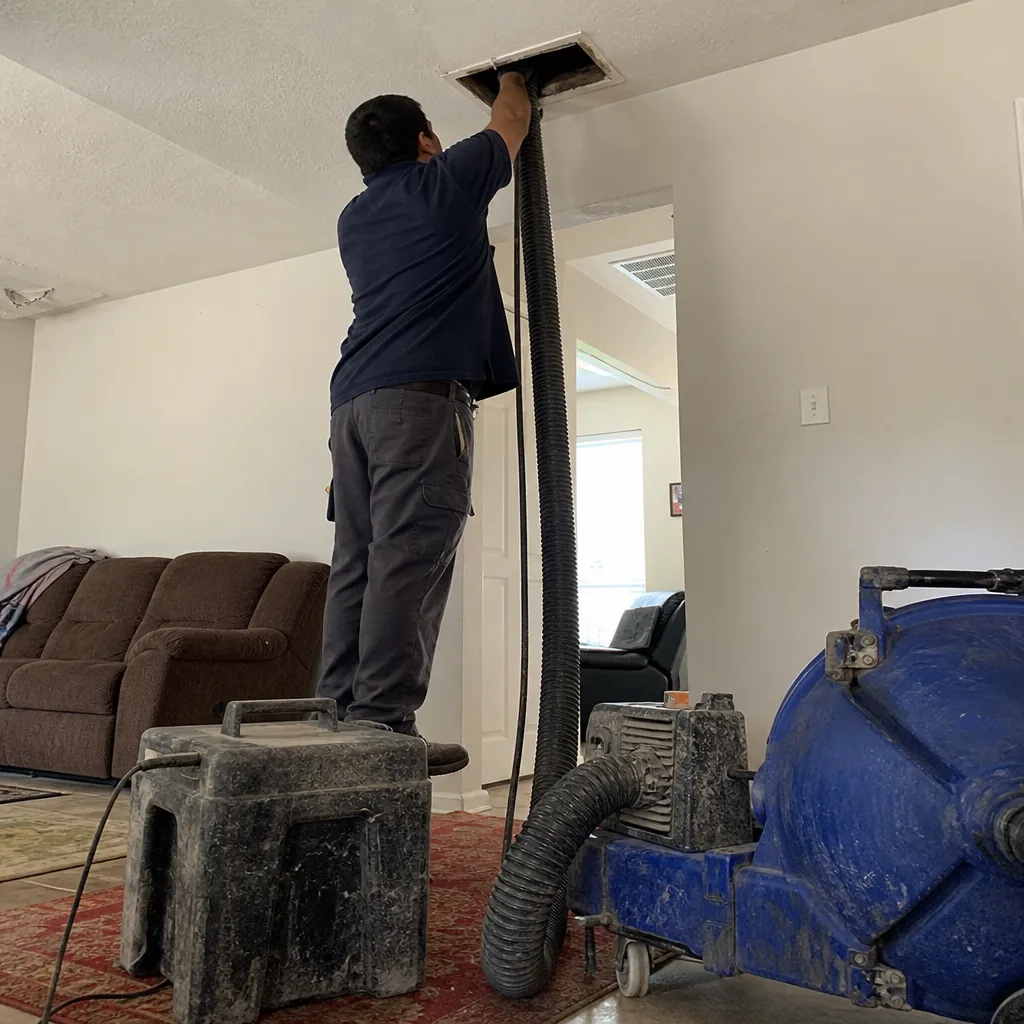 Before
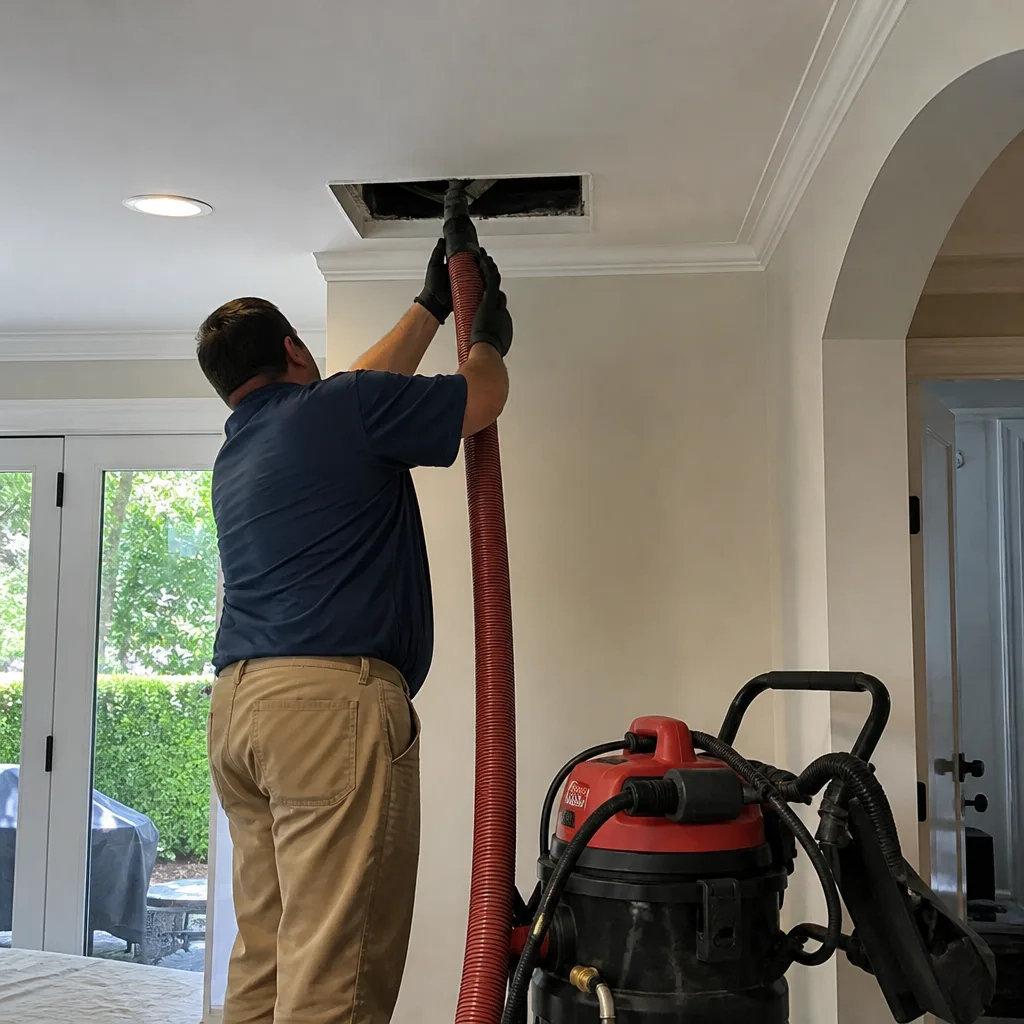 After
After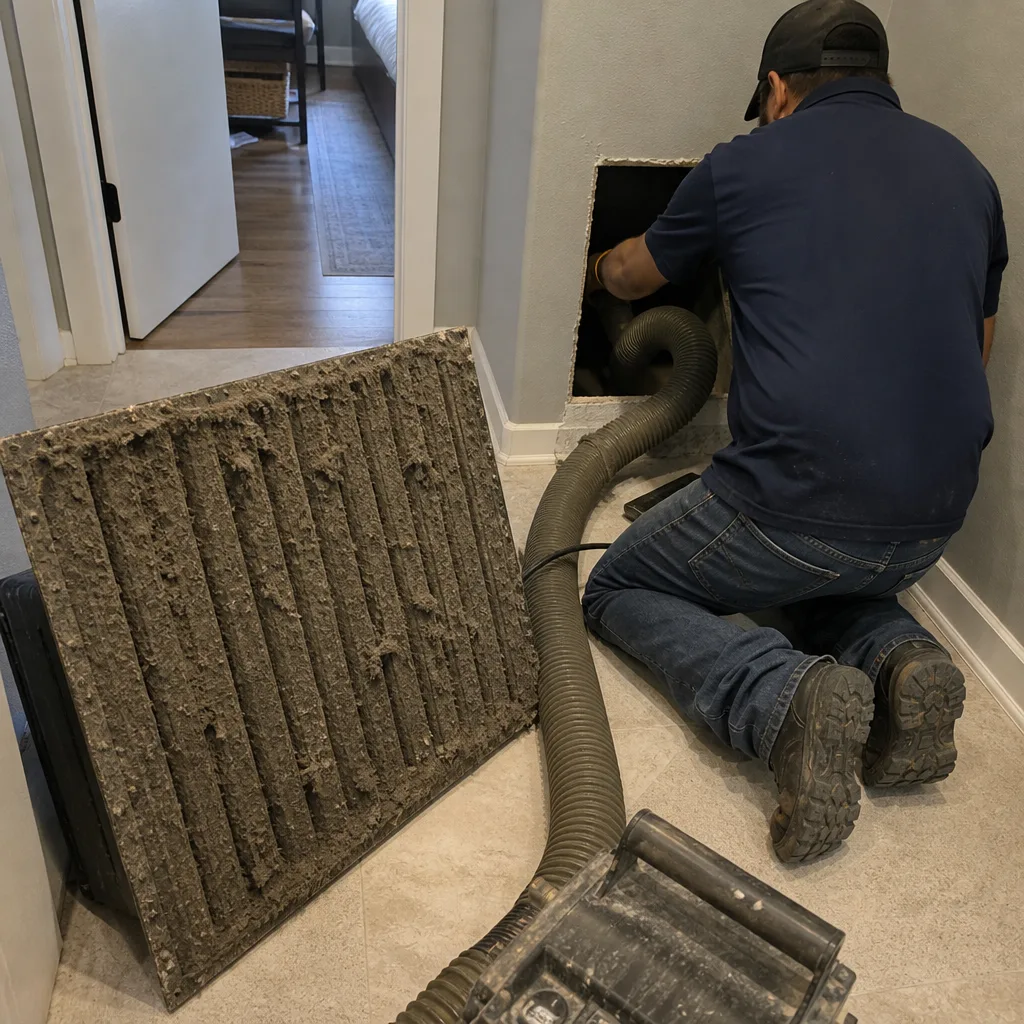 Before
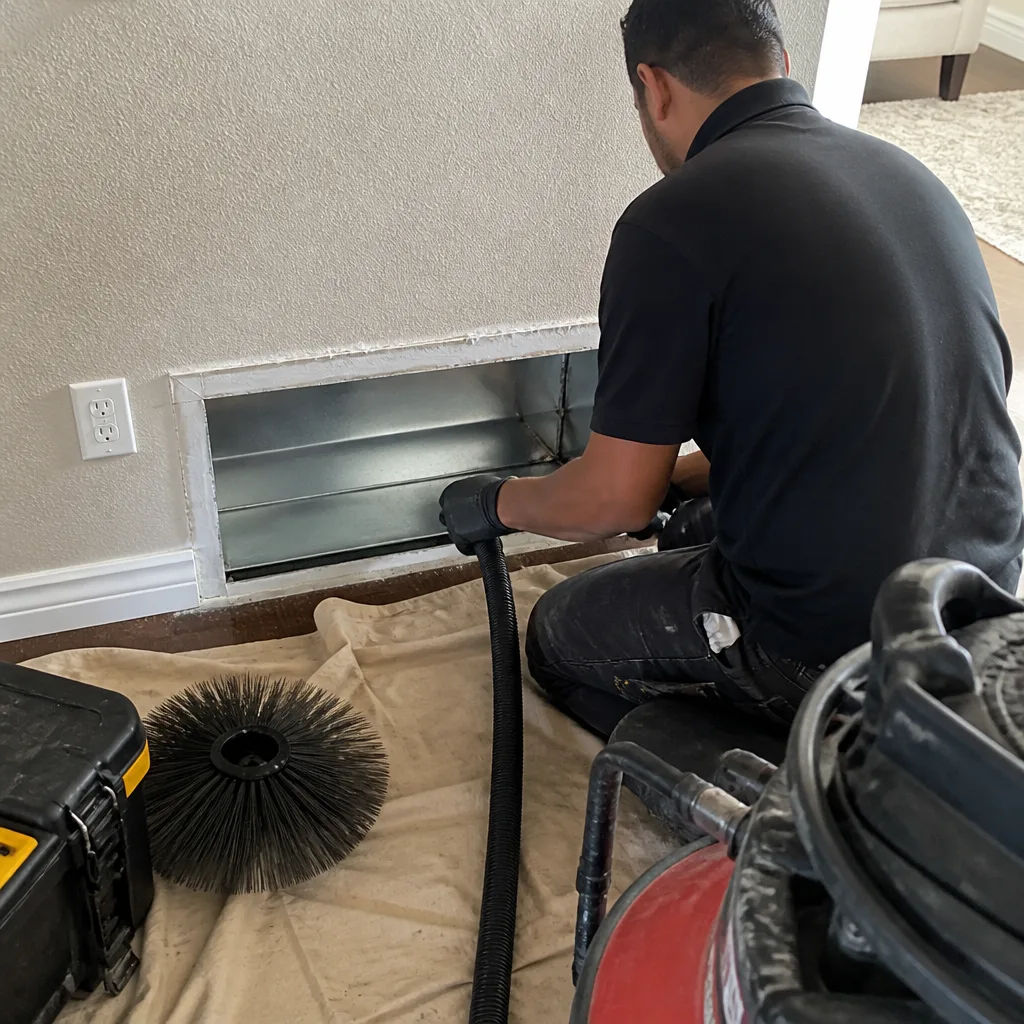 After
After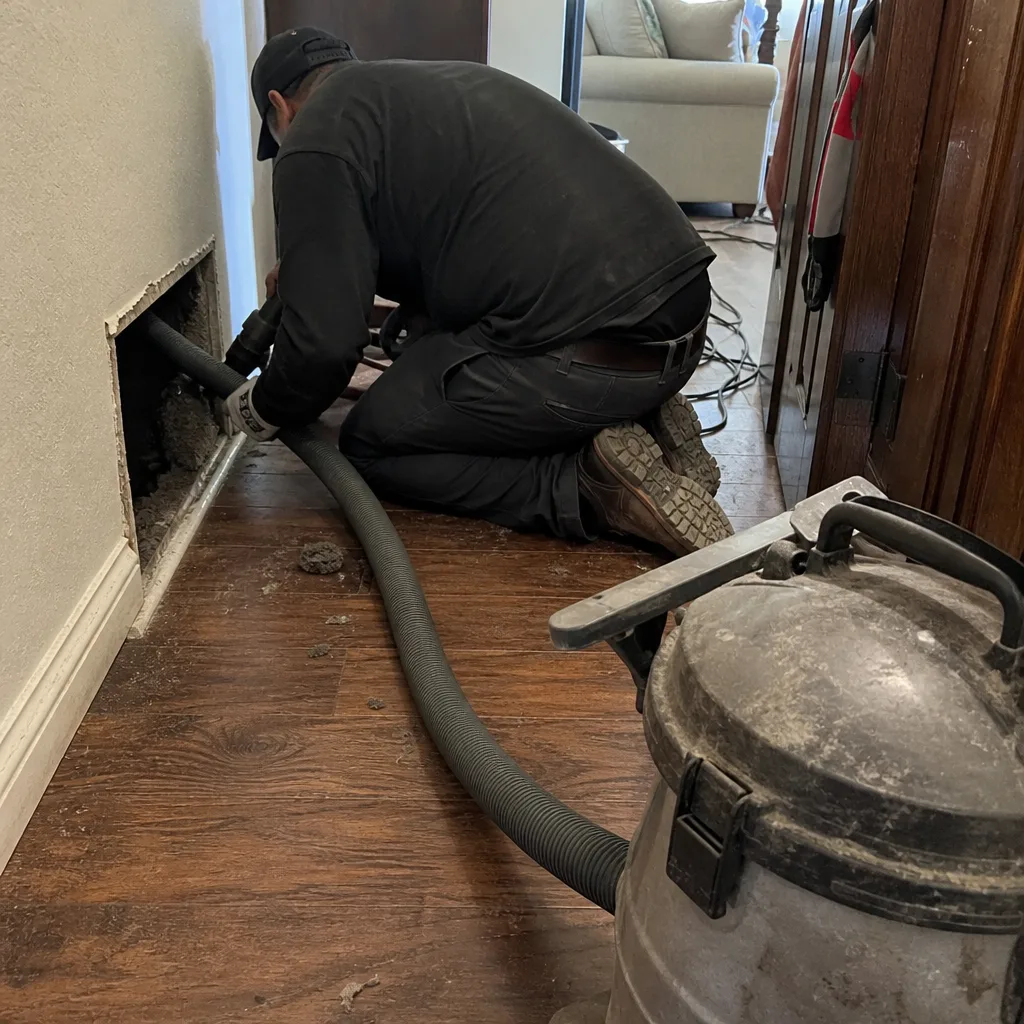 Before
 After
AfterReplacement Cost & What’s Included
If cleaning isn’t enough and the register needs replacing, installed pricing in Austin falls into a few clear bands. Standard stamped-steel Honeywell Home registers run $18 to $35 per register installed, depending on size. Aluminum multi-louver models run $30 to $55 installed. Larger returns and ceiling diffusers run $45 to $90 installed. For a typical three-bedroom Austin home with 8 to 12 registers and one or two returns, expect a full replacement to land between $250 and $520, parts and labor included. That’s the honest range. Anyone quoting per-vent prices that sound too good to be true is usually starting with the bare register and adding on for fasteners, fitting, and “adjustments” once the van’s in the driveway.
Our pricing works differently. You get one written price per system before any work begins. It includes removing the old registers, matching the Honeywell-compatible replacement to your measured duct openings, installing and leveling each unit, and sealing any gaps that would cause bypass. Every register replacement is covered by our 365-Day Done Right Promise. If the work isn’t right, we make it right, in writing, every time. That’s not a promotional offer. It’s a standing commitment at Linden Air Duct Austin.
DIY or Call Us?
Registers and grilles are one of the few HVAC components that don’t carry serious safety risk to handle. No springs, no wiring, no gas lines. If you want to clean your own Honeywell registers, the safe approach is a vacuum with a soft brush attachment, followed by a damp microfiber cloth with a small amount of mild dish soap. Remove the register from the opening first. Don’t spray cleaner directly onto a mounted register, because overspray goes straight into the duct and dries as a sticky film that catches more dust.
Where DIY goes sideways in Austin is with age. Honeywell grilles from the 1990s and early 2000s often have brittle plastic louver pivots. They snap on removal. If the stamp is worn and you’re guessing on size, you’ll buy the wrong unit and either force it in or leave a gap that leaks conditioned air into the attic. If the buildup has been there for years, cleaning won’t restore airflow, and replacement is the better call. That’s the decision we help with, and we’ll tell you straight which one you need. Call us at (940) 461-7203 and Marcus or a team member will talk you through what you’re seeing before anyone schedules a visit.
FAQs
Most Honeywell registers last 12 to 18 years in Austin homes before the louvers seize or the finish fails. Homes with heavy cooking, pets, or smokers tend to land on the lower end. Better-quality aluminum models outlast stamped steel by several years.
Yes, if the louvers still move freely and the metal isn’t corroded through. If the grille is just dirty, cleaning restores airflow and appearance. If the louvers are seized or the finish is flaking, replacement costs less than trying to rebuild a stamped register. Call (940) 461-7203 for an honest read on yours.
Most full-home register cleaning jobs take 60 to 90 minutes. We pull each register, clean the face and louvers, wipe the duct opening edge, and reseat the unit. Replacement of the entire home takes 2 to 3 hours, depending on how many registers and whether any openings need adjustment. Estimates are free.
Yes. Our trucks carry standard 4×10, 4×12, 6×10, and 6×12 Honeywell-compatible registers in stamped steel and aluminum, along with common return grilles. We also work with Lennox, Trane, and Carrier registers when the home has a mixed system. For unusual sizes, we source and return the following day.
Tell me what the system is doing, and I’ll tell you what it needs, no upsell, no alarm, just the straight answer. That’s how Marcus runs every job at Linden Air Duct Austin, and it’s how we’ll handle yours. You’ll know the price in writing before anything starts, and the tech’s name and photo arrive before we do.
If your Honeywell registers are dirty, stuck, or killing airflow, call Linden Air Duct Austin at (940) 461-7203 for a free estimate. We serve Austin and the surrounding areas with the Threshold Standard on every job: background-checked, identity-verified, photo-badged technicians who show ID at the door. Every time.
Written by Marcus Veale, Owner, Linden Air Duct Austin at Linden Air Duct Austin, serving Austin and nearby areas.