
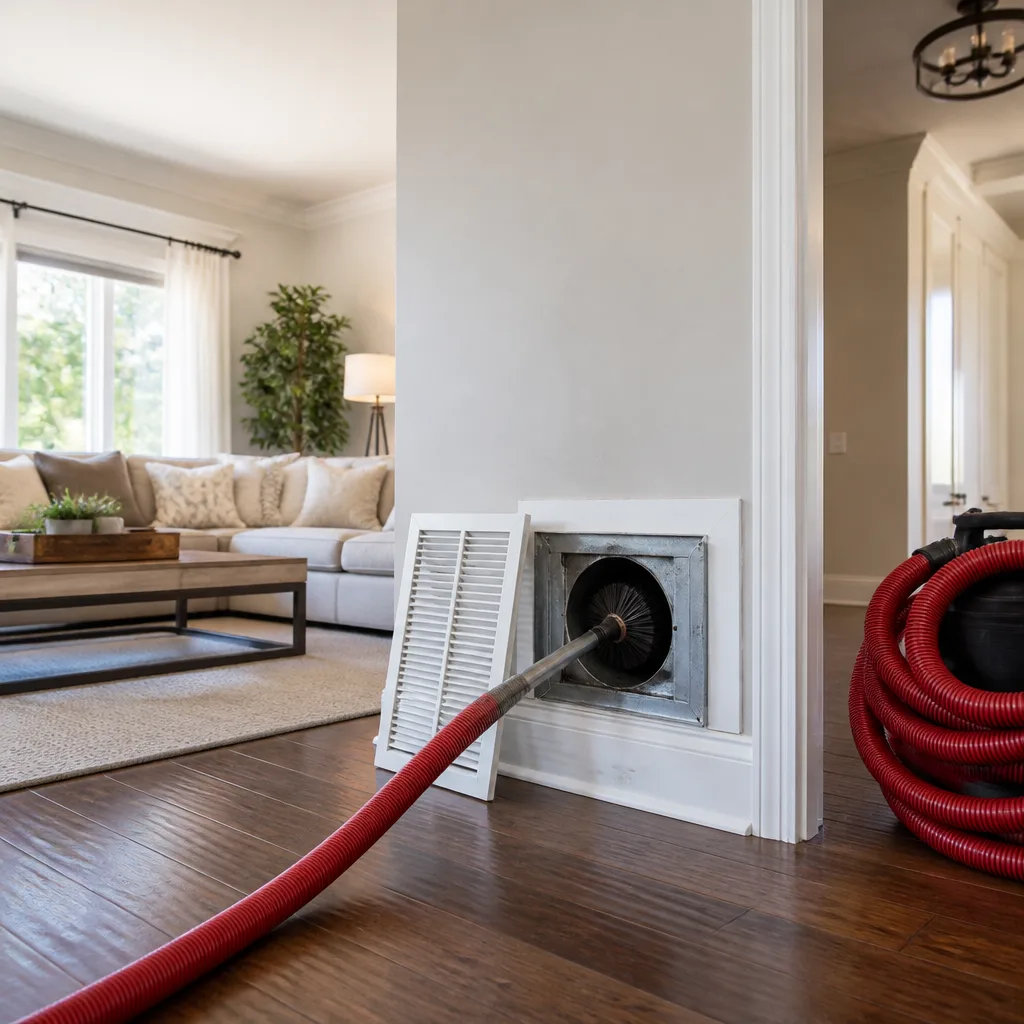
 Whole-home duct cleaning
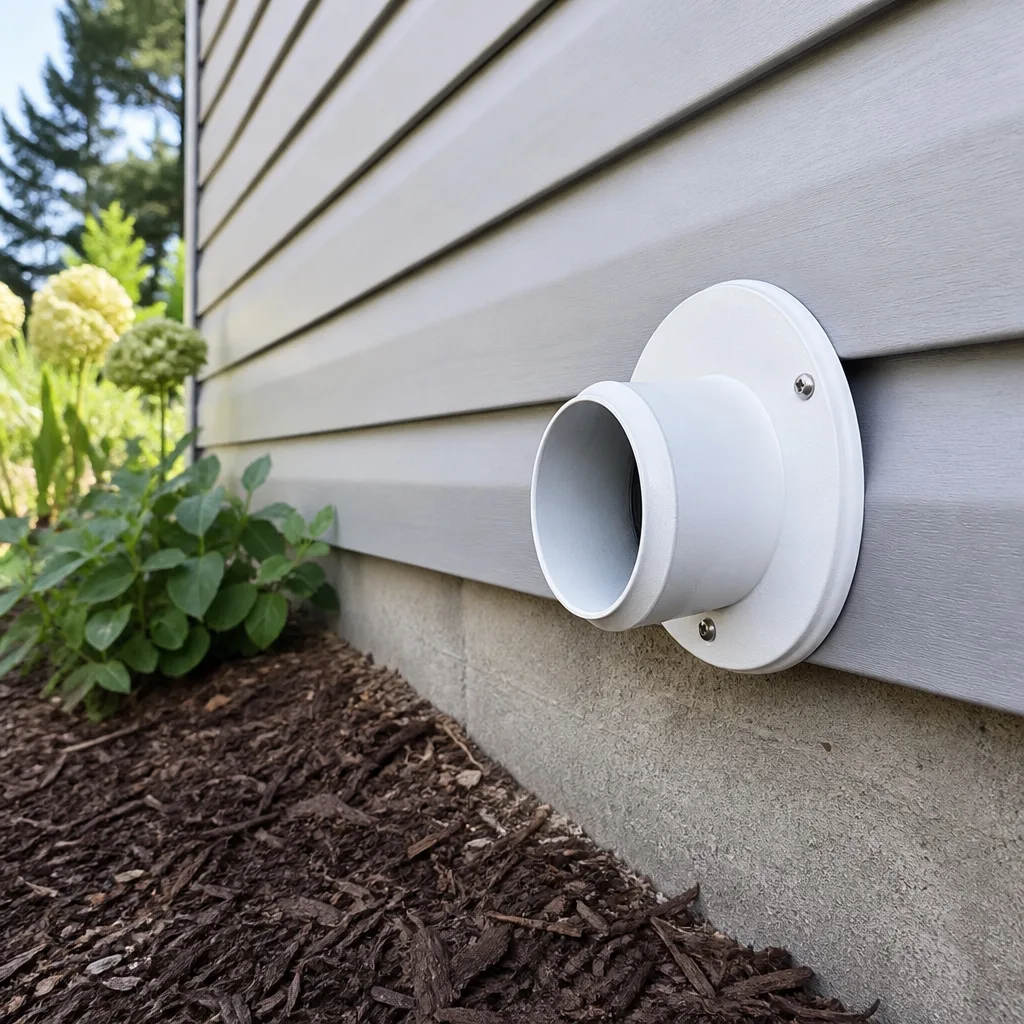 Dryer vent cleaning
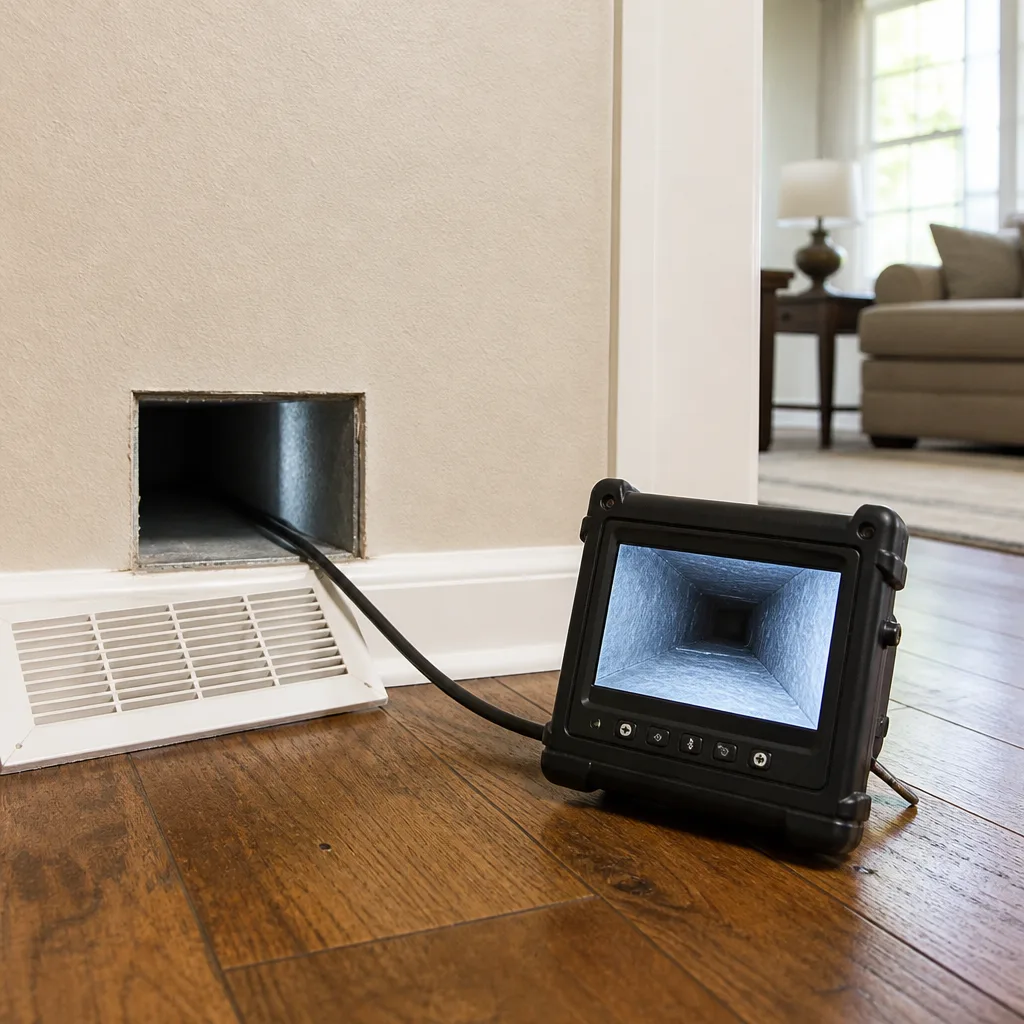 Camera inspection
 Sanitizing & deodorizing
Whole-system duct and dryer vent check with before-and-after photos - you see exactly what came out of your vents
That "$99 whole-house special" is a bait ad - the real number appears once they are in your hallway, or the "clean" is a shop-vac at the register. We photograph the inside of your ducts before and after instead.
Honeywell Duct Sealing & Repair: The Austin Owner’s Guide
Honeywell duct sealing and repair in Austin typically runs $275 to $680 installed, depending on how much of the duct run has failed and whether we’re sealing seams, patching sections, or replacing a damaged segment. We stock Honeywell-compatible sealing tapes, mastics, and repair collars on the truck, so most jobs are completed the same visit. The way most Austin homeowners discover a duct sealing failure is quiet: a room that never cools right, a hallway that smells like the attic, or an electric bill that climbs in July while the AC runs longer than it should.

We’re an independent service provider, not affiliated with Honeywell, but we work with their duct sealing and air-quality products daily. If you’ve got a Honeywell system with a suspected duct leak or failed seal, call us at (940) 461-7203 and we’ll tell you what we see before we touch anything.
Which Honeywell Models This Applies To
Honeywell’s duct sealing products fall into three broad buckets we see across Austin homes. First, the Honeywell TrueZONE bypass and zone damper systems, where the sealing failures usually happen at the damper collar or the flexible duct connection feeding each zone. Second, Honeywell UV and air purification units mounted in the ductwork, where the gasket between the unit and the duct panel degrades over time. Third, the Honeywell duct sealing tape and mastic products themselves, used on everything from rigid metal trunk lines to flex duct connections.
The compatibility gotcha we run into constantly: Honeywell zone dampers come in round (6″, 8″, 10″, 12″, 14″, 16″) and rectangular (8×10, 8×12, 8×14, 10×12, 12×12, 14×14) sizes, and the sealing collar is specific to that size. If your damper has failed at the collar, a generic off-the-shelf collar won’t seat correctly. You need to match the Honeywell damper’s exact diameter and the duct gauge. We stock the common Austin residential sizes and can order the odd ones same week.
OEM versus aftermarket matters here. For damper sealing collars and gaskets, we use genuine Honeywell parts because the tolerances are tight. For open duct seams on the trunk line, a commercial-grade mastic rated to UL 181 standards does the job at a lower cost than OEM tape. We’ll quote you the honest split: OEM where it matters, spec-grade aftermarket where it doesn’t.
Styles & brands we work with
Signs Your Honeywell Duct Sealing & Repair Is Failing
- One room is always 5-10 degrees off. A failed seal at the damper or collar lets conditioned air bleed into an unconditioned space before it reaches the register. The room furthest from the fan gets starved first.
- Attic smell in the living space. This is the big one in Austin. When a duct seal fails on the return side, the negative-pressure pull draws attic air, blown insulation fibers, and dust directly into your breathing air. You’ll notice it most in the first hot week of summer.
- AC bill climbing while usage stays flat. Central Texas summers are brutal on seals. The foil tape many installers use degrades after 3-7 years of Austin’s 100-degree attic cycles, and every failed seam is money pushing through the gap.
- Whistling near a zone damper when the system runs. Air escaping through a failed damper collar seal makes a high-pitched sound you won’t forget once you’ve heard it. It’s the sound of your cooled air going somewhere you didn’t pay to cool.
- Dust reappearing days after the house is cleaned. In homes backing up to greenbelt areas, the pollen and dust load is constant. A failed return-side seal pulls that particulate load into circulation. If your furniture looks dusty three days after you wipe it down, check the duct seals.
See the difference
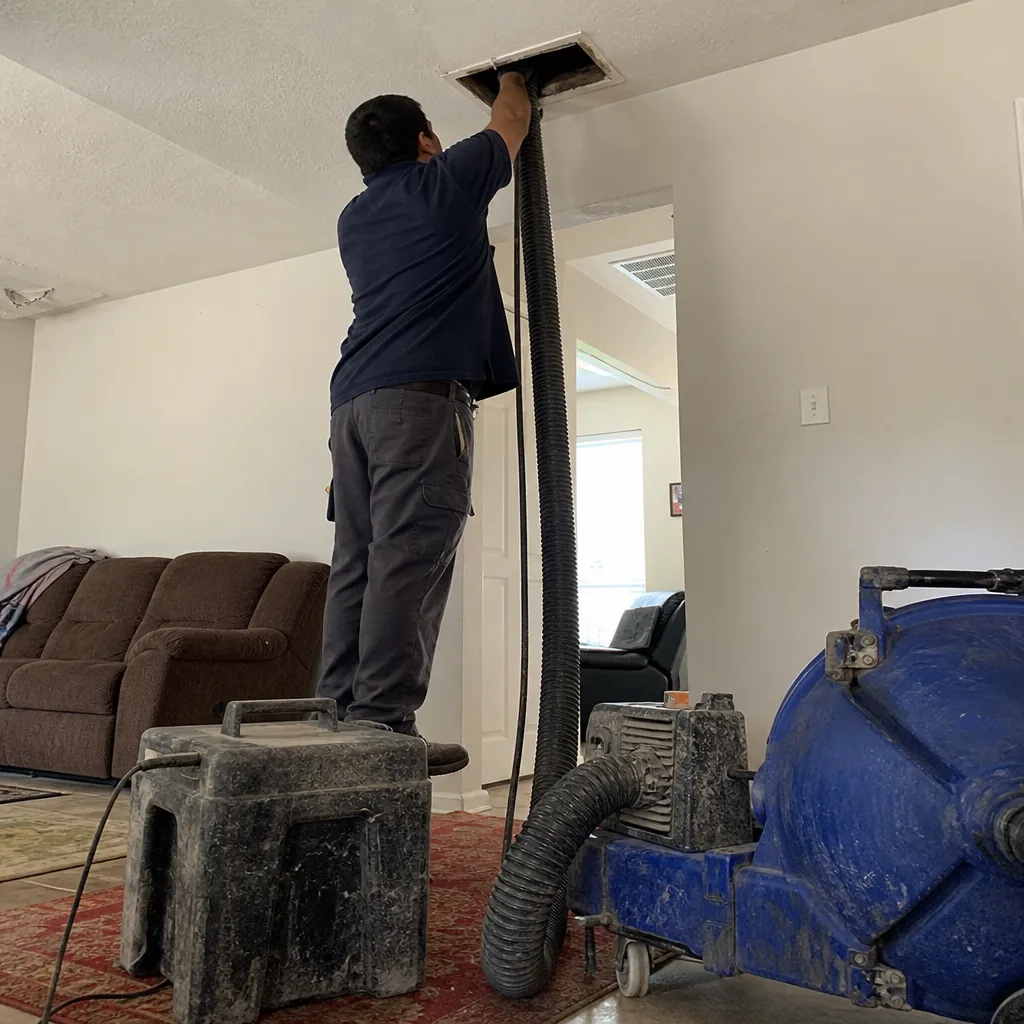 Before
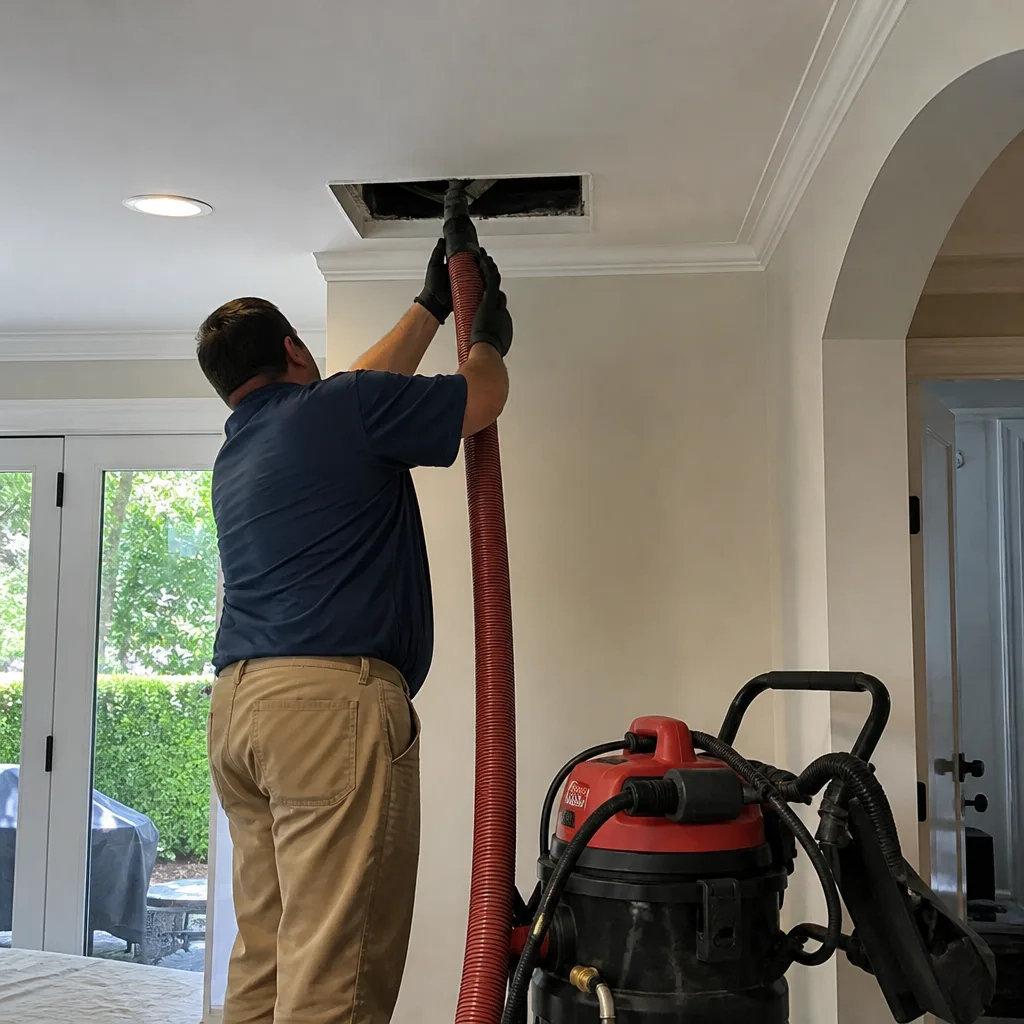 After
After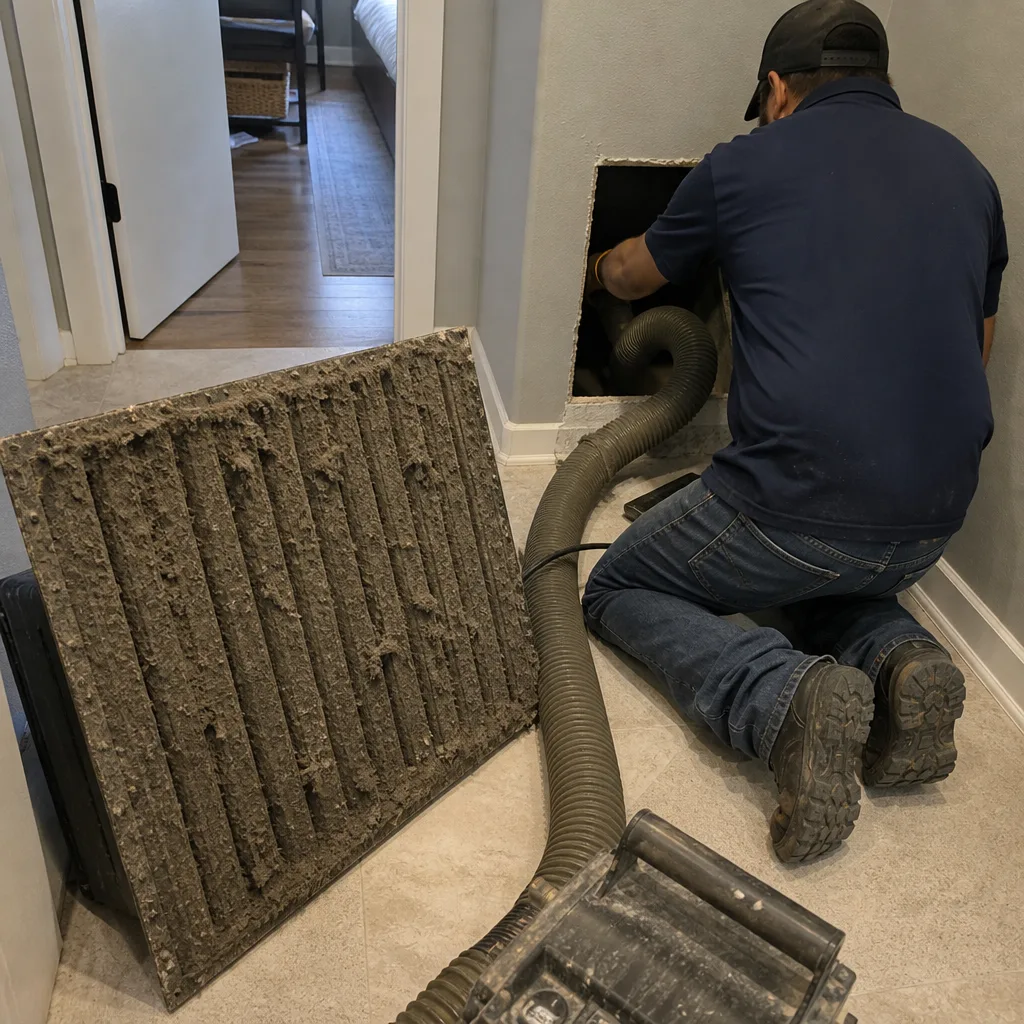 Before
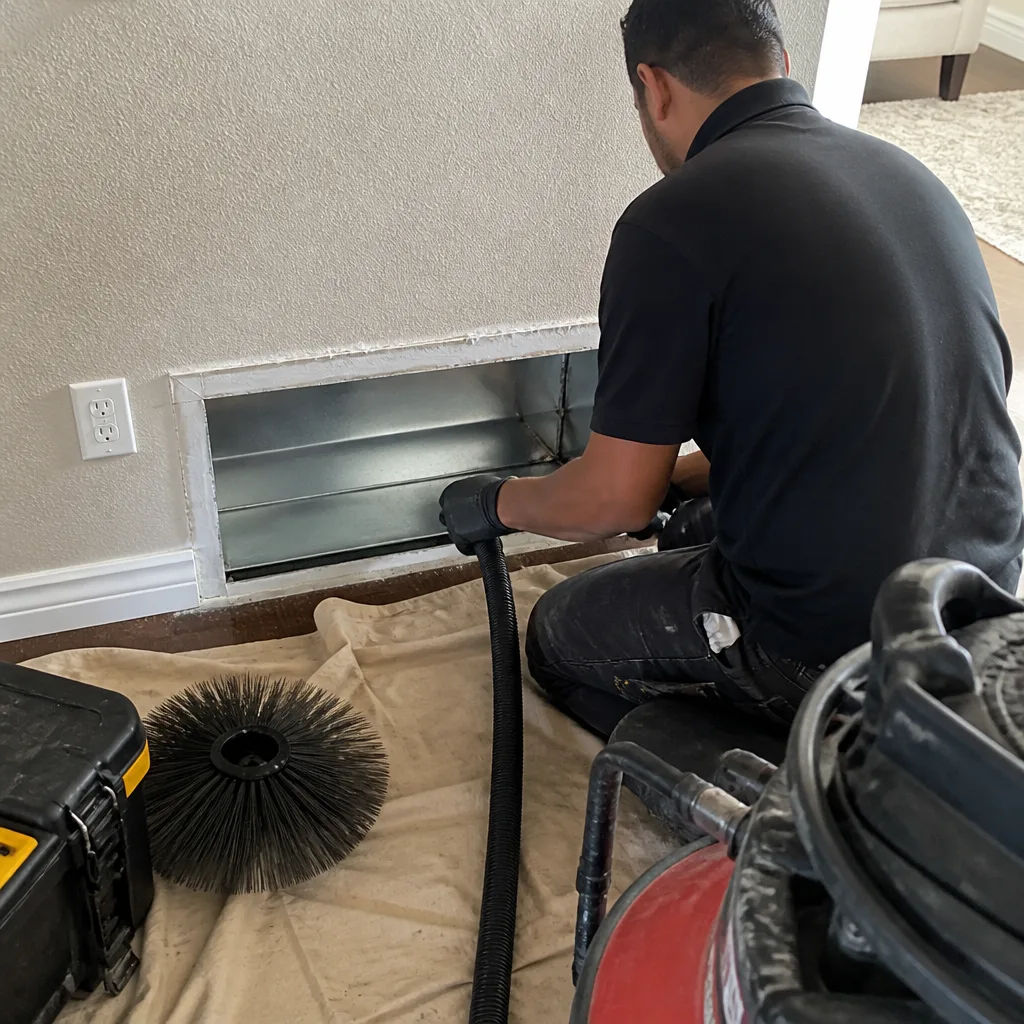 After
After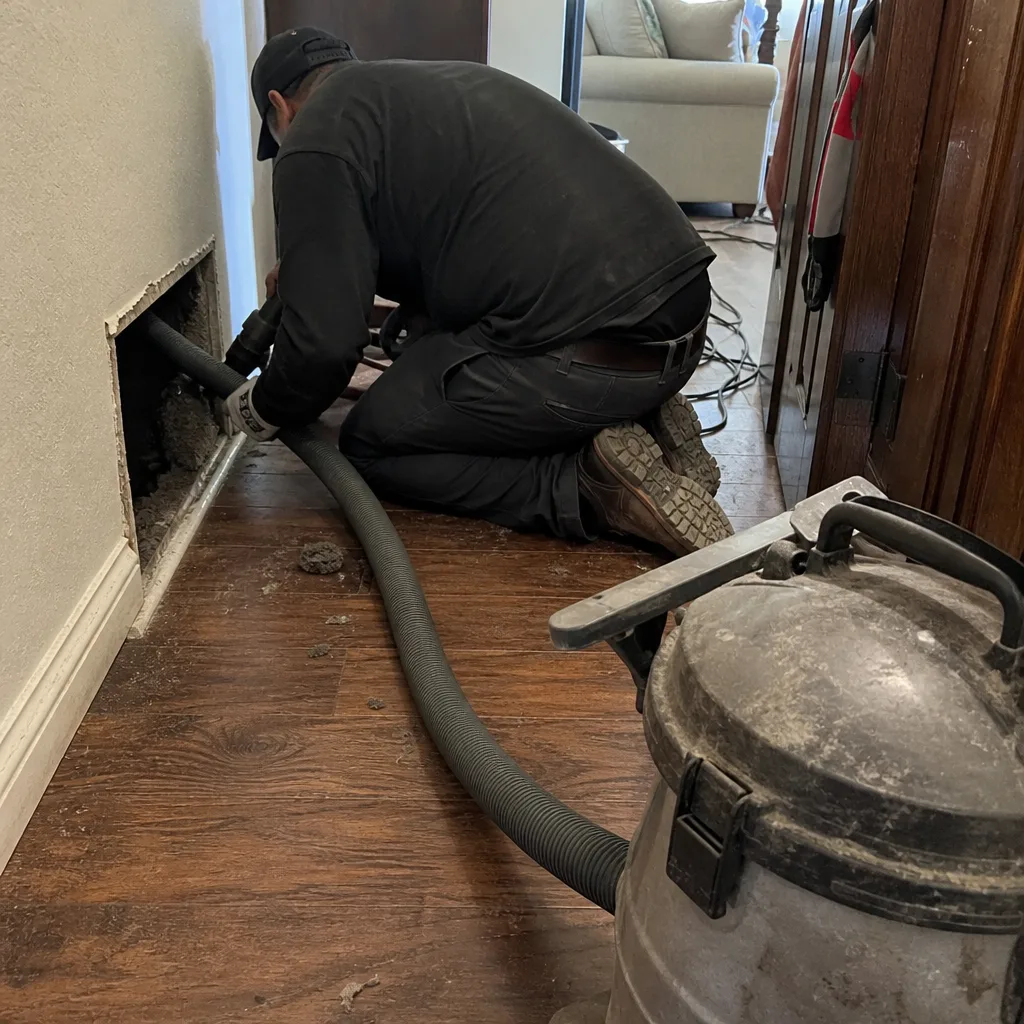 Before
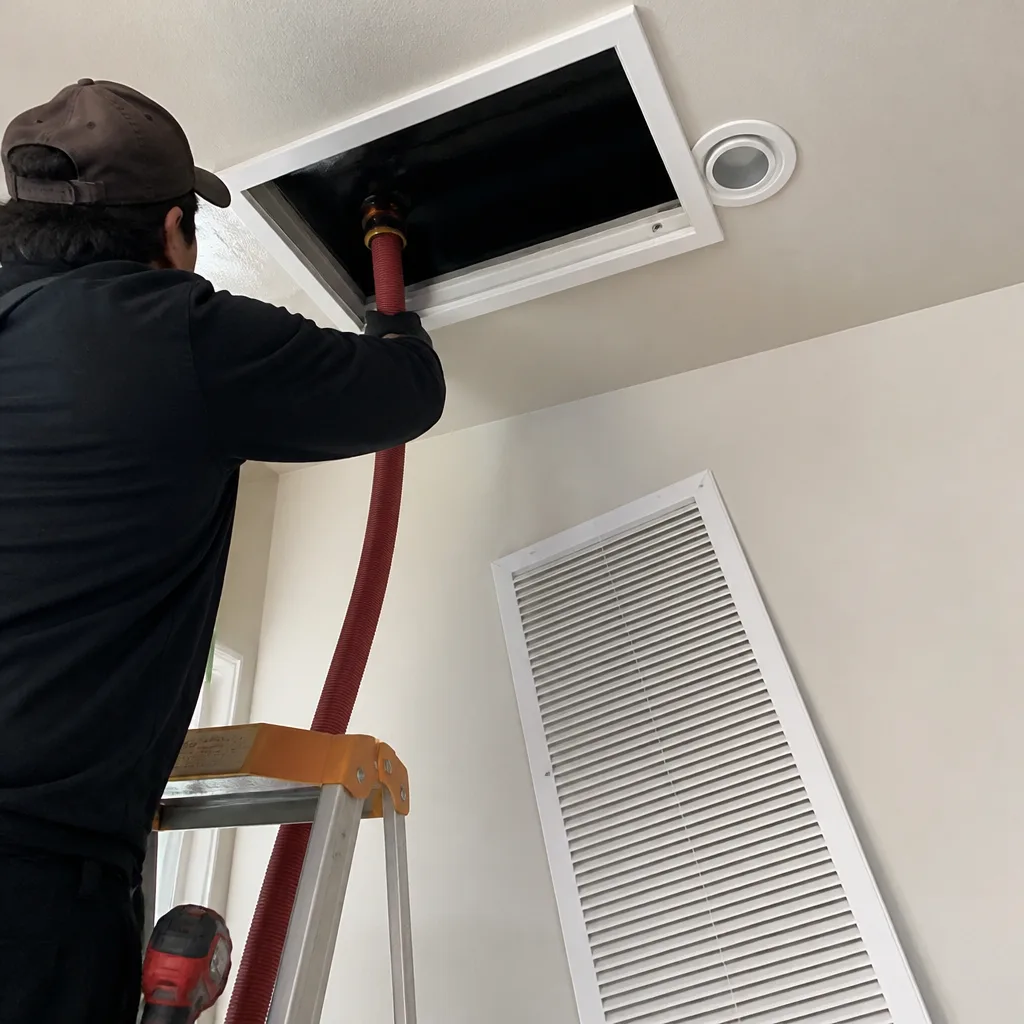 After
AfterReplacement Cost & What’s Included
Here’s what Austin homeowners can expect for Honeywell duct sealing and repair, installed:
- Single seam or joint reseal: $275 to $380. Includes access, surface prep, UL 181 mastic application, and airflow verification.
- Damper collar reseal or gasket replacement (TrueZONE): $310 to $450. Includes genuine Honeywell gasket or collar, removal of failed material, and re-seating.
- Section repair or flex duct replacement (up to 10 ft): $420 to $680. Includes materials, proper suspension, seal at both connections, and negative-pressure leak check.
Every repair we do in Austin gets a written price before we start work, a written guarantee, and a free second visit if the repair fails. The 365-Day Done Right Promise covers the workmanship and materials. If something isn’t right, we come back. That’s the standing policy, not a promotion.
DIY or Call Us?
There’s a small list of things an Austin homeowner can safely check on their own: visible foil tape peeling at a register boot, a disconnected flex duct lying in the attic floor, or damp staining around a ceiling register. If you see those and the attic is walkable without touching anything electrical, you can note what you found and call us. We’ll take it from there.
What we don’t recommend: climbing into a hot attic in July, cutting into ductwork, or attempting a reseal on a live system. Austin attics routinely hit 140 degrees in the summer, and a wrong move around duct hangers, nails, or electrical wiring becomes a real injury risk. Duct sealing sounds simple until you’re upside down in a 24-inch crawl space trying to apply mastic to a seam that’s been leaking for a decade. We’ve seen the duct layouts Austin throws at you; Marcus keeps a notebook of the weird ones, and they’re not DIY friendly. Call (940) 461-7203 and let us scope it before anyone opens a panel.
FAQs
Properly applied UL 181 mastic on a clean seam lasts 15+ years; the foil tapes many original installers used fail in 3-7 years under Austin’s attic heat cycling. If your seals were taped, treat them as an inspection point every few summers.
Not sure what’s on your system? Call (940) 461-7203 and we’ll take a look.
Yes, most failed seals are repaired by removing the failed material, cleaning the surface, and applying a fresh mastic seal rated for the temperature range. Repair is usually cheaper than full replacement. Call (940) 461-7203 for an exact quote.
A single seam or collar reseal takes 60-90 minutes from attic access to clean-up. A section replacement with two new seals takes 2-3 hours. We quote the time before work starts, and the price doesn’t change if it takes longer.
We stock the common damper collar sizes, gaskets, and UL 181 sealing products on the truck for Austin homes. If your system needs an uncommon size, we order it and typically have it within the week. We also work on Lennox, Trane, and Carrier systems, so we’re set up for most of what Austin houses actually have.
Written by Marcus Veale, Owner, Linden Air Duct Austin at Linden Air Duct Austin, serving Austin and nearby areas.