
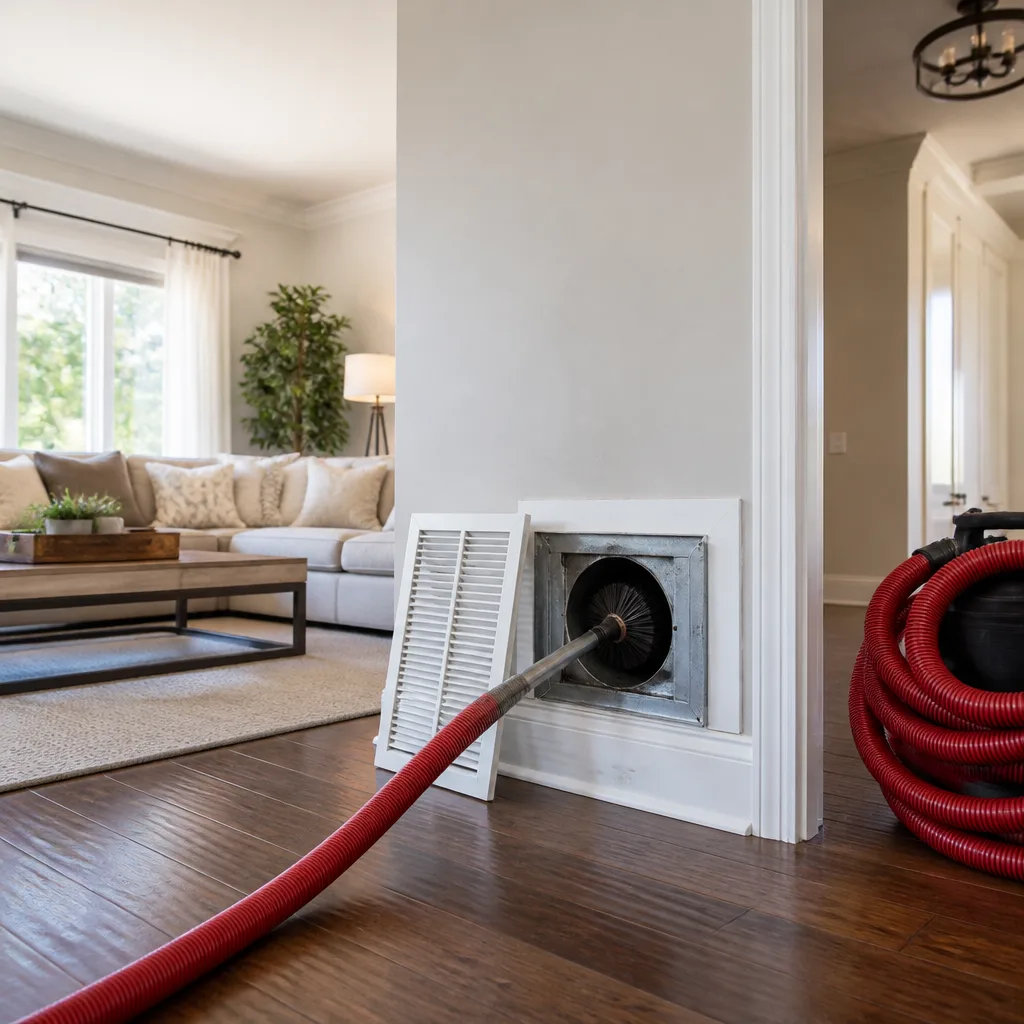
 Whole-home duct cleaning
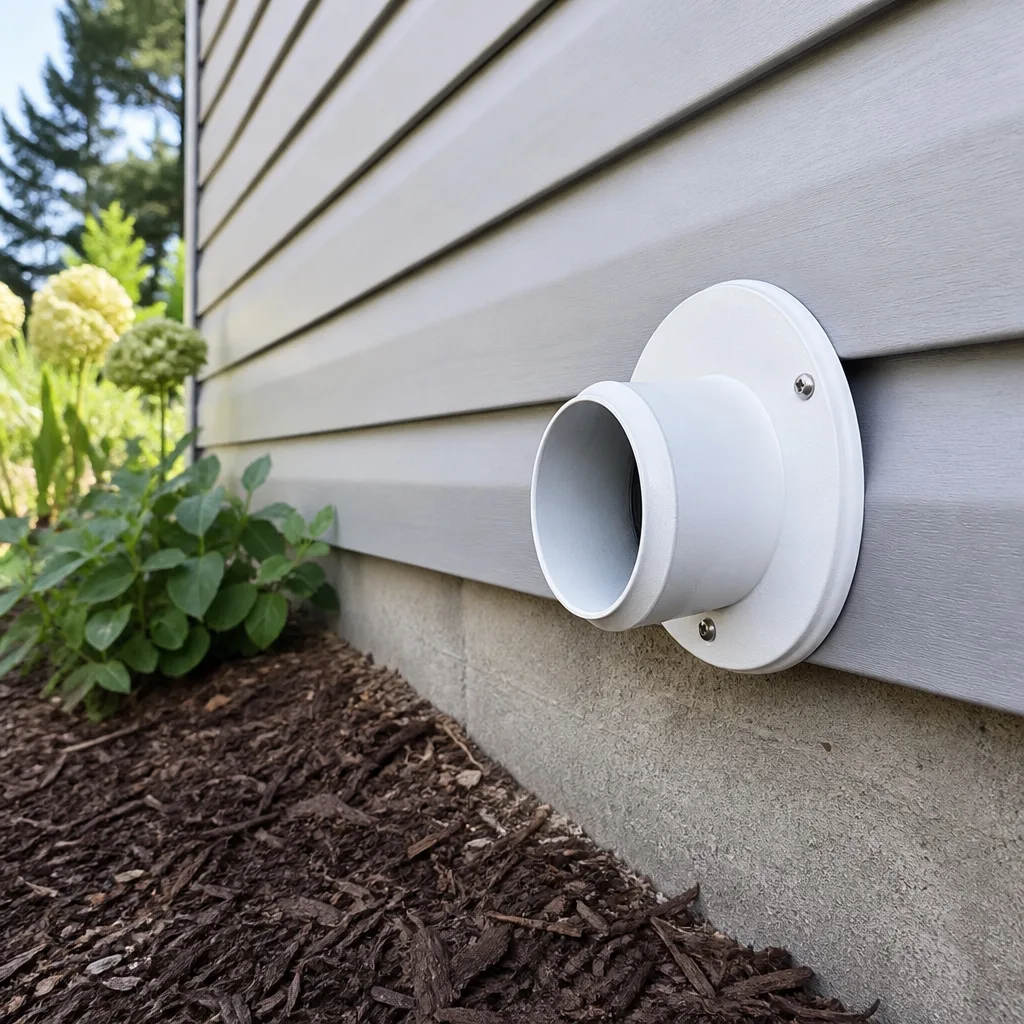 Dryer vent cleaning
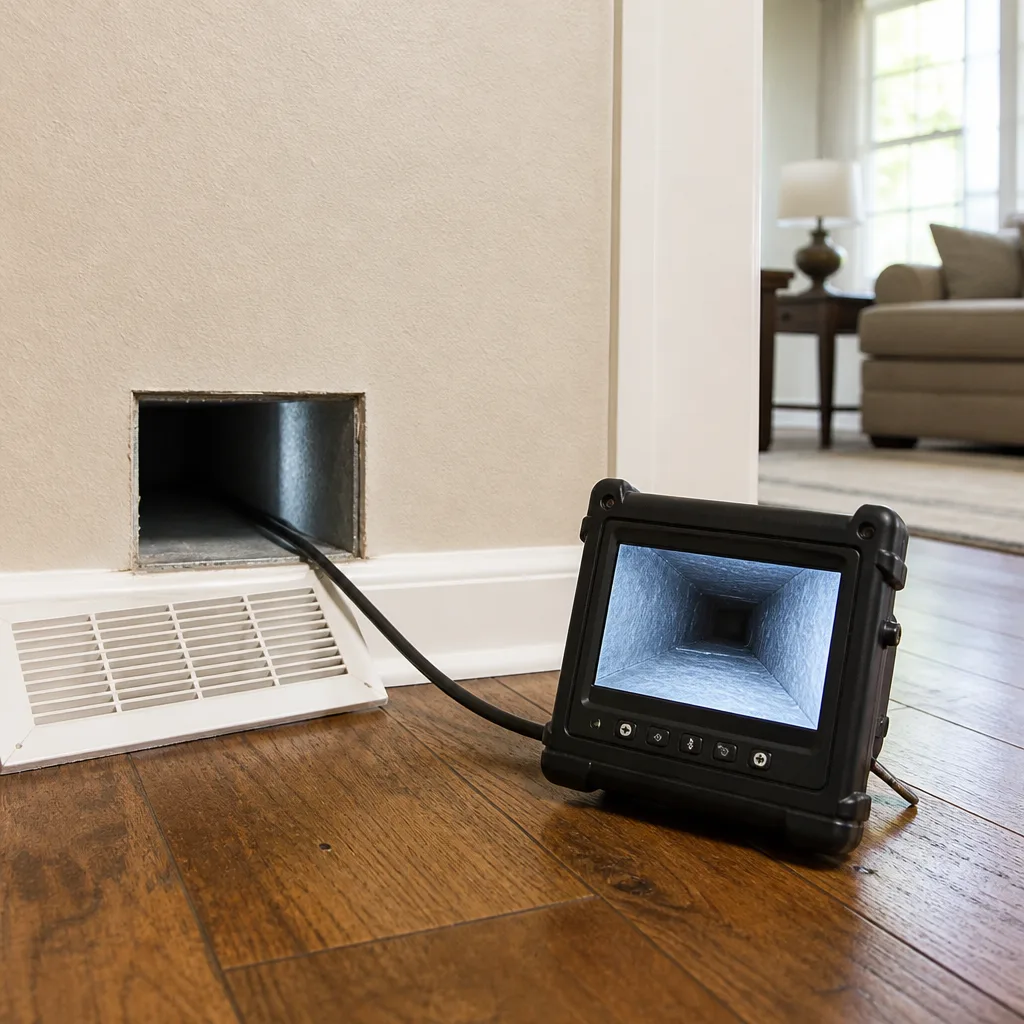 Camera inspection
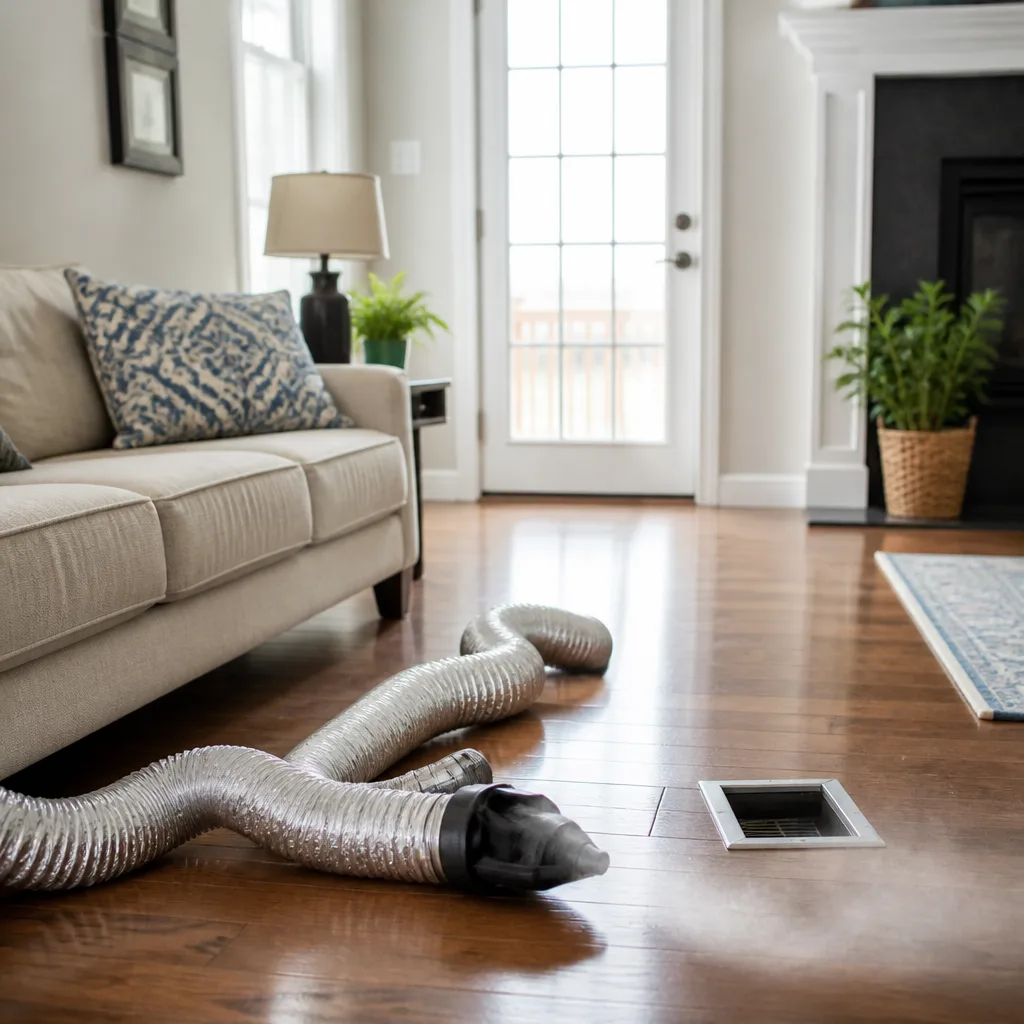 Sanitizing & deodorizing
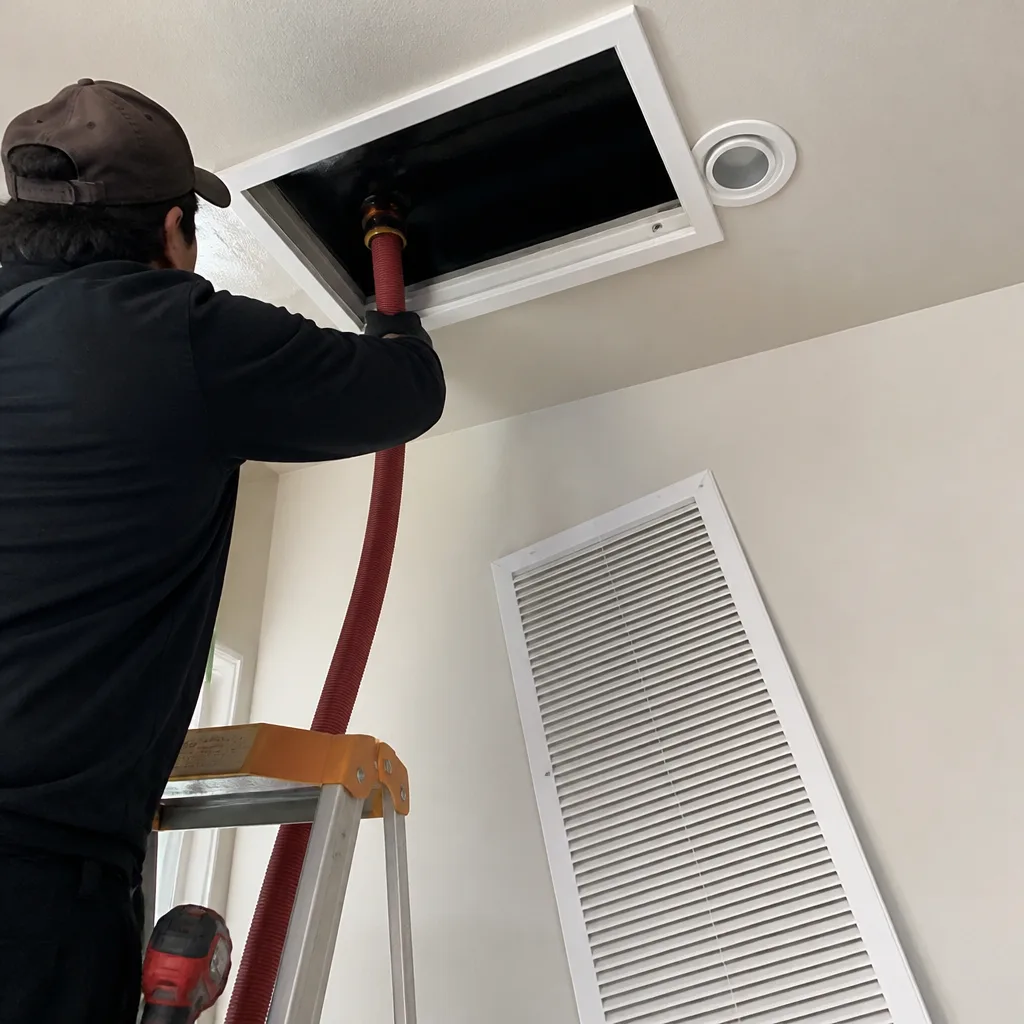
Whole-system duct and dryer vent check with before-and-after photos - you see exactly what came out of your vents
That "$99 whole-house special" is a bait ad - the real number appears once they are in your hallway, or the "clean" is a shop-vac at the register. We photograph the inside of your ducts before and after instead.
Honeywell Coil Cleaning: The Austin Owner’s Guide
We stock Honeywell-compatible evaporator coil cleaning products and perform coil cleaning on Honeywell systems across Austin, including units paired with Lennox, Trane, and Carrier air handlers. A full evaporator coil cleaning on a Honeywell system in Austin typically runs $275 – $475 depending on access, coil depth, and how long it’s been since the last cleaning. Most owners discover a problem the same way: airflow drops, the system runs longer to hit the thermostat setting, or a musty smell comes through the vents when the AC kicks on.

Here’s the thing about coil cleaning that most pages won’t tell you: the coil itself rarely “fails.” What fails is its ability to transfer heat. In Austin’s humidity and cedar-heavy air, a Honeywell evaporator coil can load up with a biological film faster than the same coil in Phoenix or Denver. The coil is still there. It’s just not doing its job. That’s what we fix.
Which Honeywell Models This Applies To
Honeywell doesn’t manufacture evaporator coils under a clearly branded consumer line the way they do thermostats and air cleaners. What most Austin homeowners actually have is a Honeywell system component: an air cleaner (like the F100 or F300 electronic air cleaner), a humidifier (HE series), or a thermostat (T-series, VisionPRO, Prestige) paired with a coil made by Lennox, Trane, Carrier, or another manufacturer. We clean the coil regardless of brand, and we’re familiar with the Honeywell accessories around it.
Here’s where it matters: Honeywell electronic air cleaners sit upstream of the coil and, when their cells get dirty, they stop catching particulate. That particulate then lands on the evaporator coil. If your F300’s indicator light has been ignored for a season, the coil downstream is carrying the load. We see this constantly in Austin homes built in the 1990s and early 2000s, where Honeywell F300s were standard builder fare.
If you’re looking at a label plate, the coil’s brand and model are usually stamped on a corner of the cabinet or on the access panel. Honeywell accessories will say “Honeywell” clearly. The coil itself likely won’t. We stock coil cleaning chemicals compatible with all of them, including aluminum-fin coils that need a non-acidic cleaner, and we carry Honeywell OEM replacement media and cells on the truck for the F100 and F300.
Styles & brands we work with
Signs Your Honeywell Coil Cleaning Is Failing
You don’t notice a dirty coil. You notice everything around it. Here’s what Austin homeowners actually report, and what’s happening underneath:
- Airflow from the registers has dropped noticeably. A fouled coil restricts the air that can pass through it. The blower is working fine; the coil is just acting like a clogged filter. In homes backing up to Barton Creek Greenbelt, we see this compounded by dirt load from open windows in the fall and spring.
- The system runs constantly but the house doesn’t cool. The coil can’t absorb heat efficiently through a layer of grime, so the refrigerant cycle can’t pull heat out of the air. Runtime goes up, comfort goes down, and your June electric bill in Austin tells the story.
- There’s a musty or dirty-sock smell when the AC first starts. That’s biological growth on the coil surface, feeding on the dust and moisture. It’s common in Austin’s humid shoulder seasons when the system cycles less and the coil stays damp longer.
- You’re changing filters more often but the smell or low airflow persists. The filter is doing its job; the coil is holding years of accumulated material. No filter catches everything.
- Condensation or water staining around the indoor unit. A coil caked with debris doesn’t drain properly. Water can back up in the condensate pan, and in Austin’s summer, that pan fills fast.
If any of this sounds familiar and you have a Honeywell air cleaner upstream, odds are the coil hasn’t been cleaned since the last homeowner lived there. That’s not a knock on anyone. It’s just how HVAC maintenance goes in most houses.
See the difference
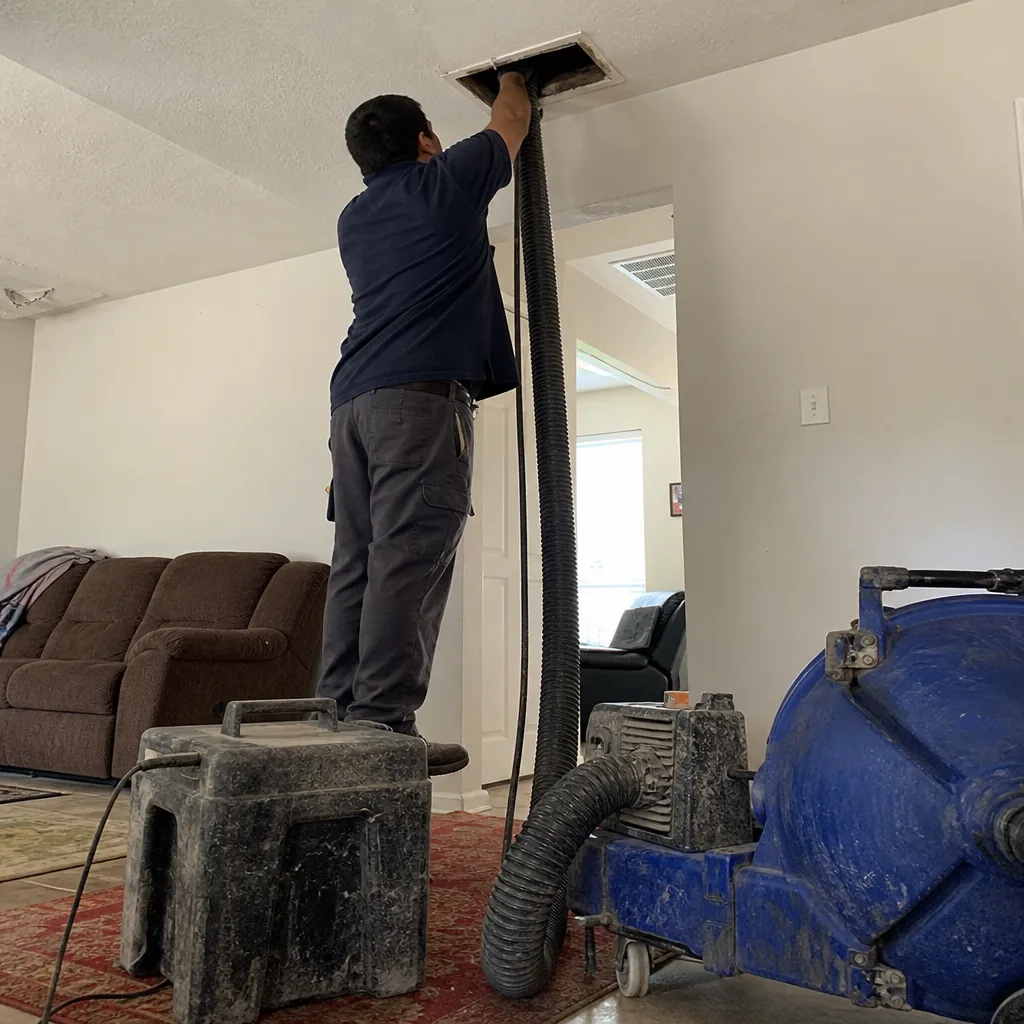 Before
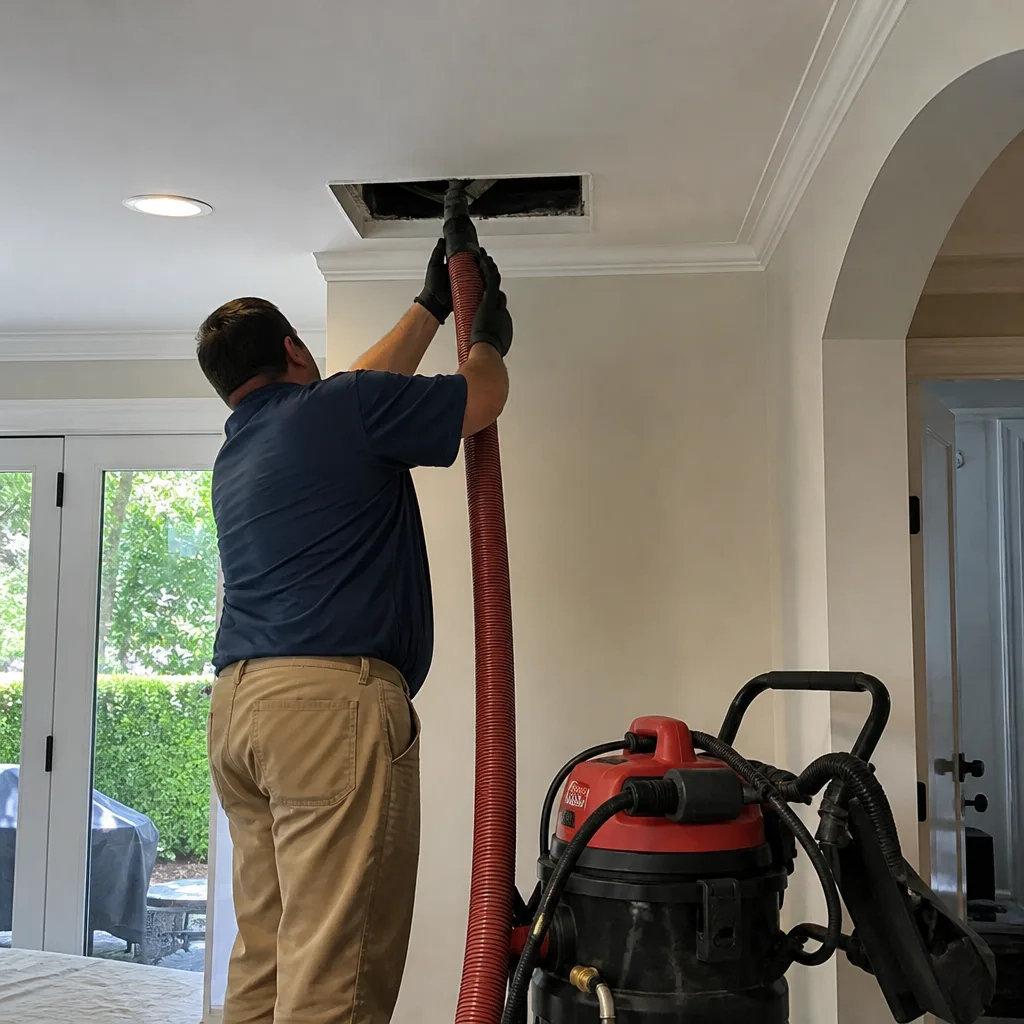 After
After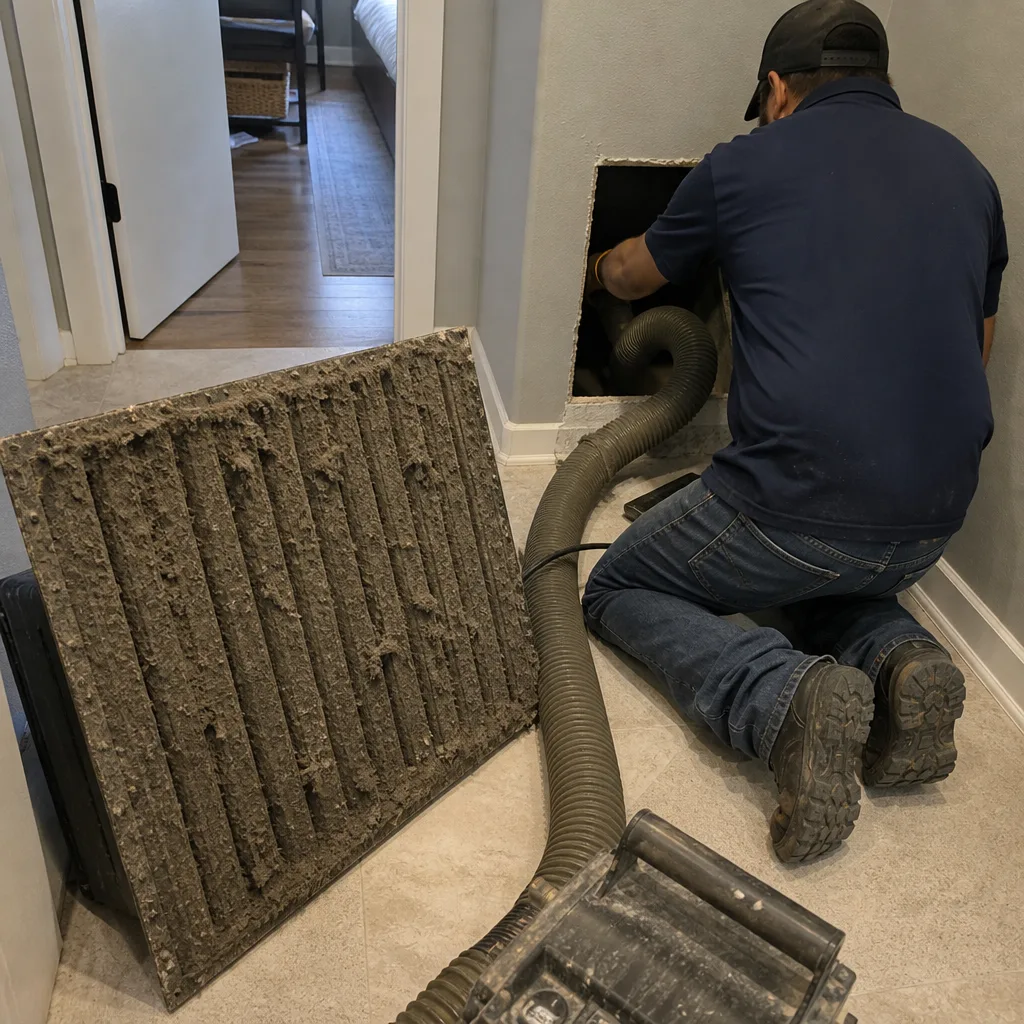 Before
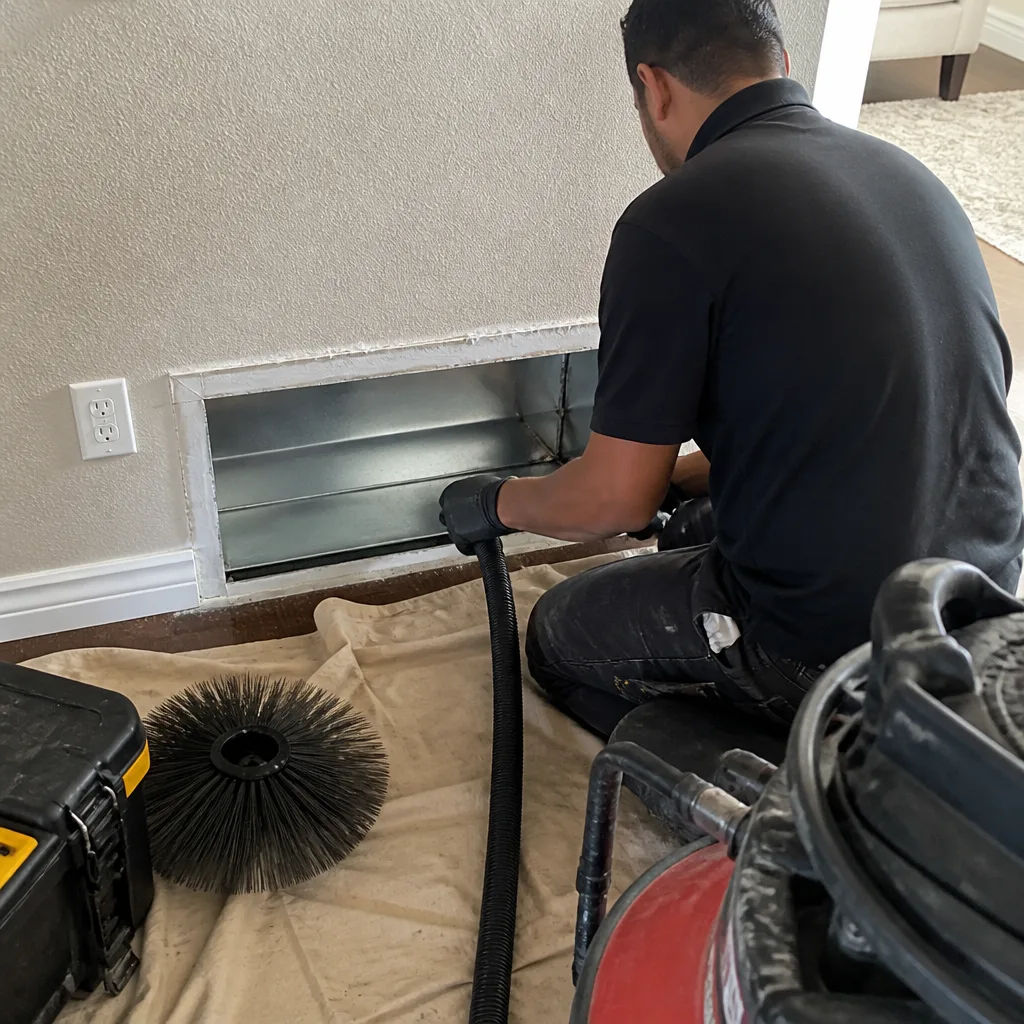 After
After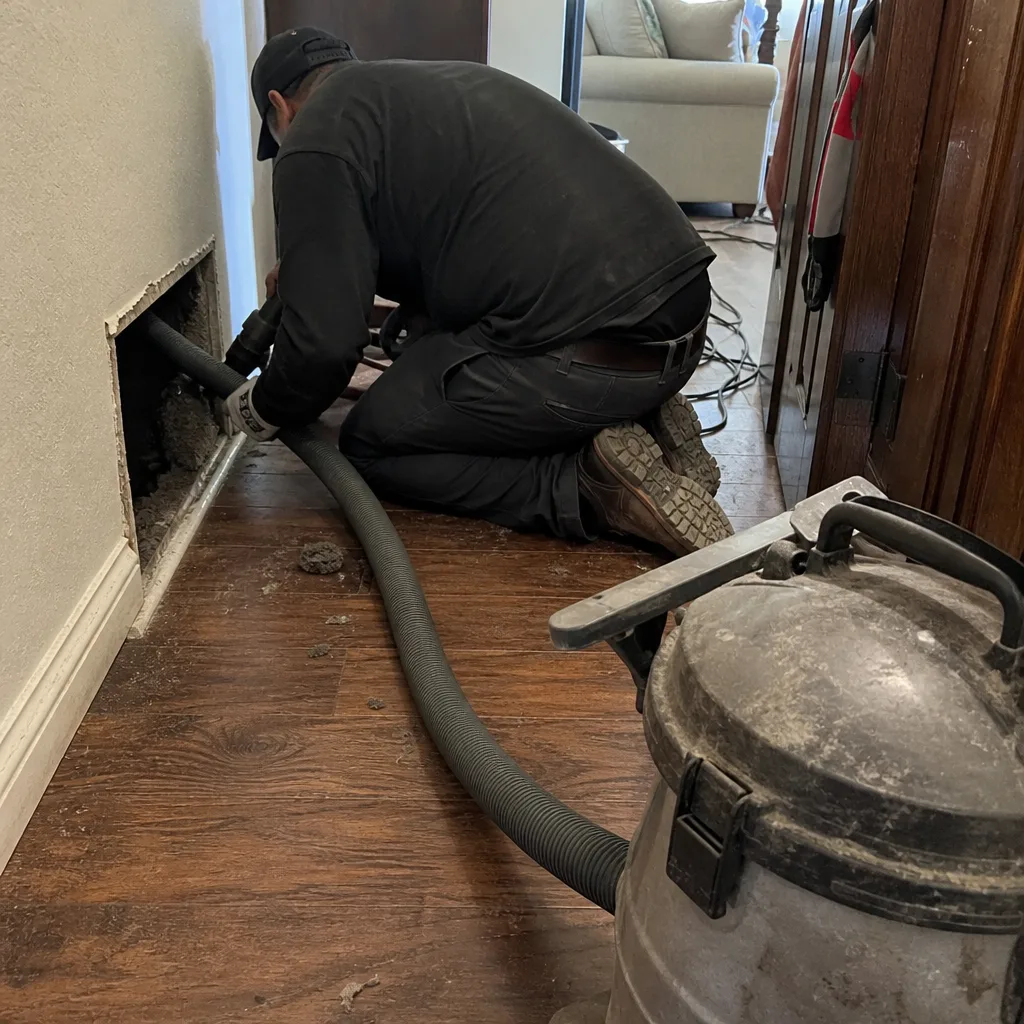 Before
 After
AfterReplacement Cost & What’s Included
Let’s talk numbers, because nobody else in Austin seems to want to. Evaporator coil cleaning on a Honeywell-paired system runs $275 – $475 in the Austin market as of 2026. The range depends on three things: access (attic units in a 110-degree Texas attic cost more than a closet unit), coil condition (heavily fouled coils take longer to clean properly), and whether the coil can be cleaned in place or needs to be pulled for access.
Here’s what’s included, and more importantly, what’s written down before we start: one flat price per system, agreed before work begins. That price covers access, inspection, a full coil cleaning with professional-grade chemicals safe for aluminum and copper coils, condensate drain check, and an airflow test before and after. No per-vent pricing. No surprise line items at the end.
The work itself is covered by our written guarantee. If the coil we clean doesn’t perform right, we come back at no charge. That’s the 365-Day Done Right Promise, and it’s on paper on every job. Marcus Veale started this business on the principle that if a job isn’t provably right, it isn’t done.
DIY or Call Us?
There are things an Austin homeowner can safely check. Removing the filter access panel and looking at the visible face of the coil is one of them. If it looks like a gray carpet, you know what you’re dealing with. Checking that the Honeywell air cleaner cell is sitting correctly in its cabinet is another. If it’s not seated, air bypasses it entirely and the coil catches everything.
What we’d recommend against: spraying household cleaners or degreasers on a coil. Some of them etch aluminum fins. Some of them leave residue that attracts more dirt than the coil had before. And some of them create fumes that circulate through the house when the blower kicks back on. If you’ve got an attic unit with a tight access, the risk-benefit math on a 130-degree Austin attic in August should make the decision for you.
If you want it done once, with a before-and-after airflow reading and a written guarantee, call us at (940) 461-7203. Marcus or one of our techs will walk the system with you, explain what we find, and give you a written price before anything gets touched. Tell me what the system is doing, and I’ll tell you what it needs, no upsell, no alarm, just the straight answer.
FAQs
In Austin’s climate, a properly cleaned evaporator coil stays effective for 2 to 4 years depending on filter habits, pets, and whether the Honeywell air cleaner upstream is being maintained. Homes with shed-free dogs and regular filter changes tend toward the longer end; homes near construction or green space tend shorter.
Yes. Most coils, even badly fouled ones, respond to a proper chemical cleaning, as long as the fins are structurally intact. Replacement is only necessary when the coil has physical damage – corrosion, freeze damage, or crushed fins. We’ll always tell you which one you’re dealing with before quoting anything.
Most residential coil cleanings in Austin take 2 to 4 hours, including access, setup, cleaning, drain check, and before-and-after airflow readings. Attic installs in summer add a little time because the environment slows everything down; closet installs go faster.
We carry Honeywell-compatible coil cleaning chemicals, Honeywell F100 and F300 replacement media and cells, and condensate drain treatment on the truck. If your system needs a specific filter cell or accessory, we’ll tell you what’s needed, order it, and return to install it at the agreed price.
Written by Marcus Veale, Owner, Linden Air Duct Austin at Linden Air Duct Austin, serving Austin and nearby areas.