
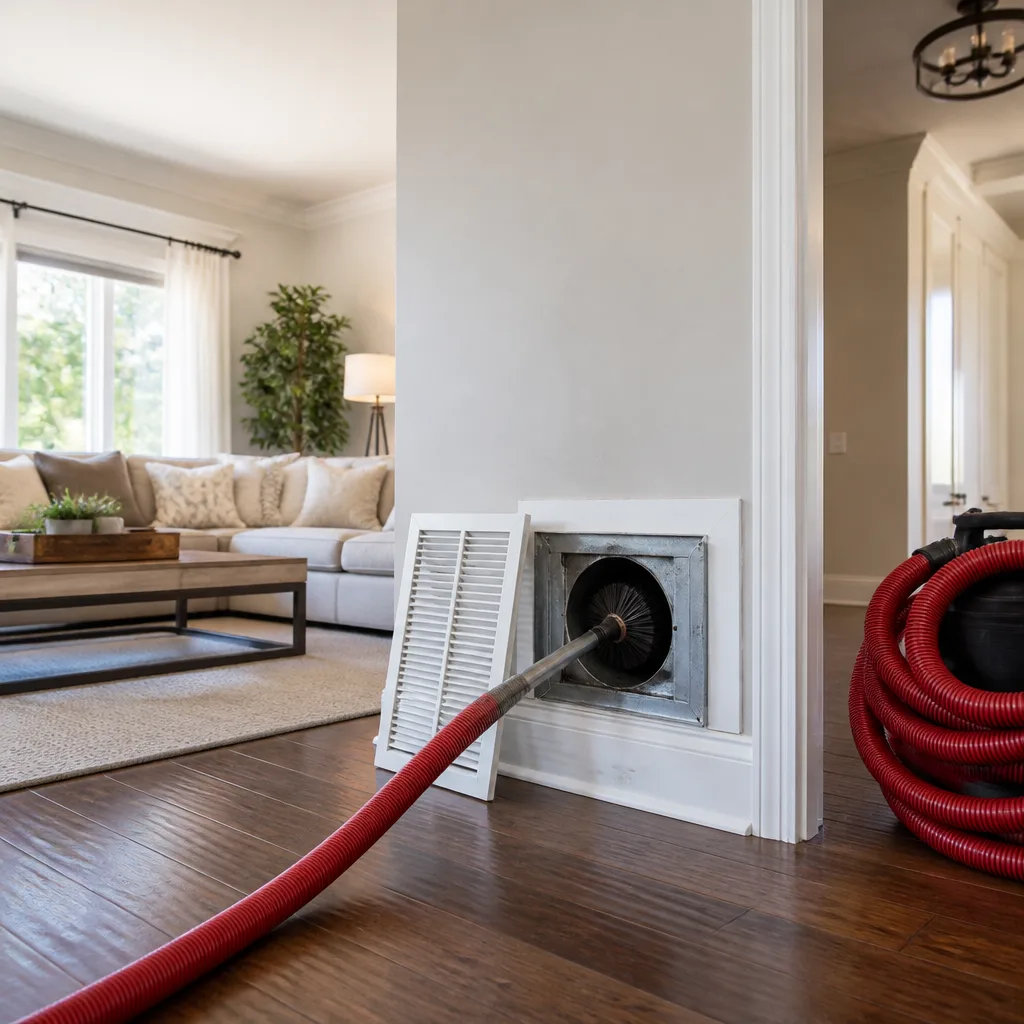
 Whole-home duct cleaning
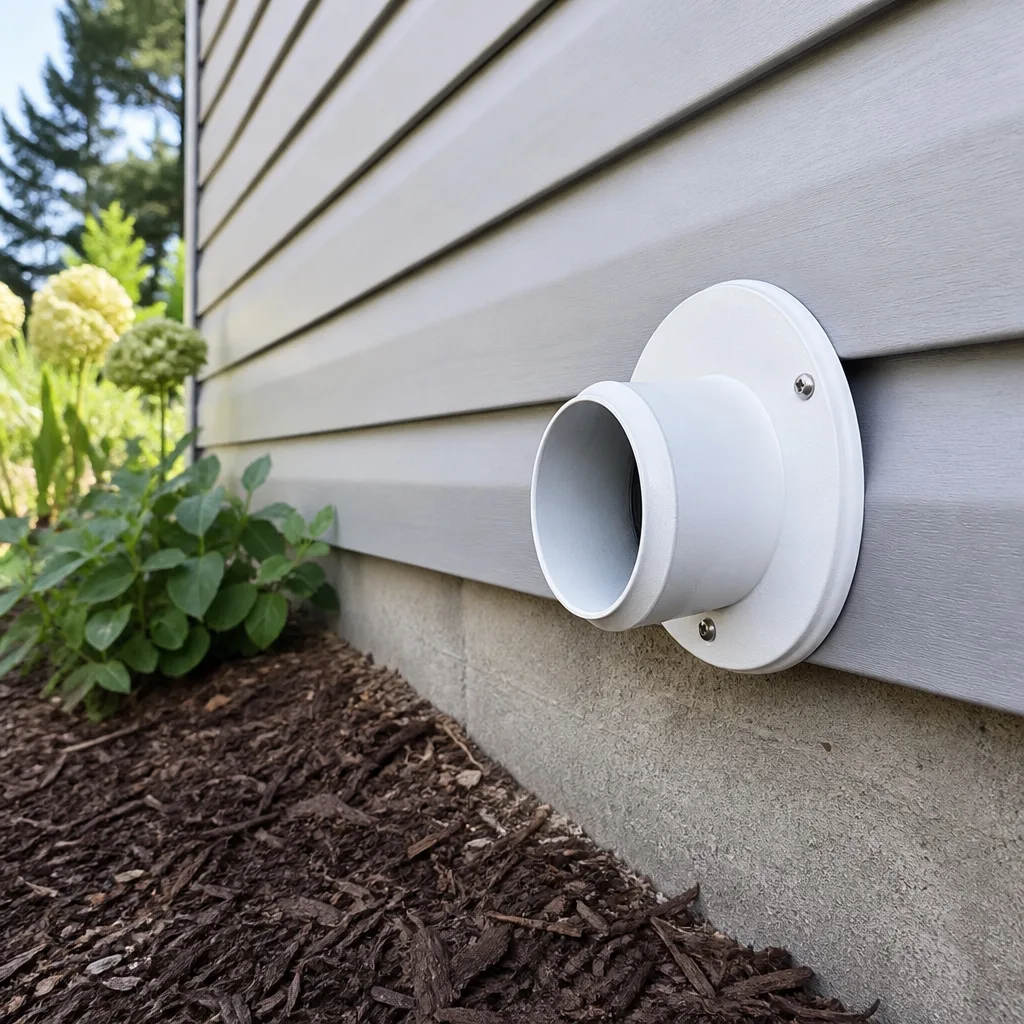 Dryer vent cleaning
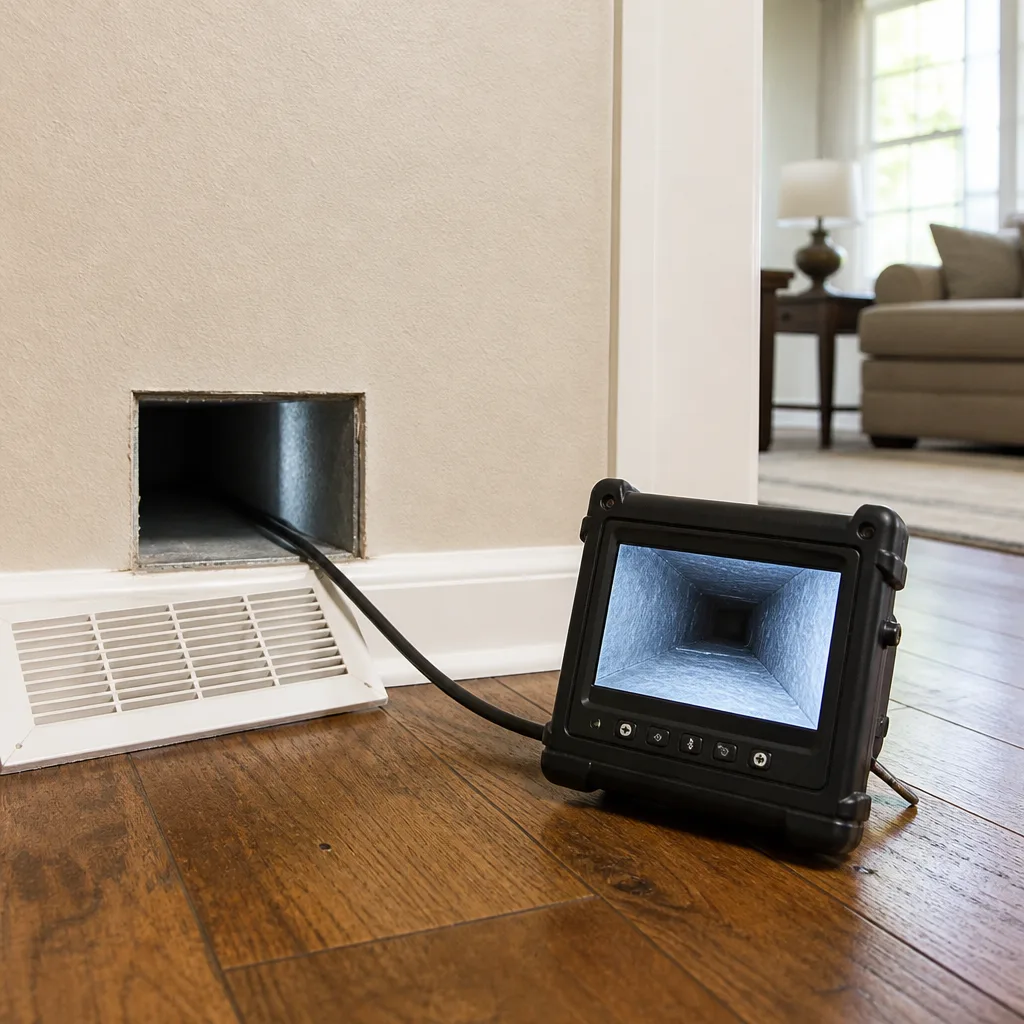 Camera inspection
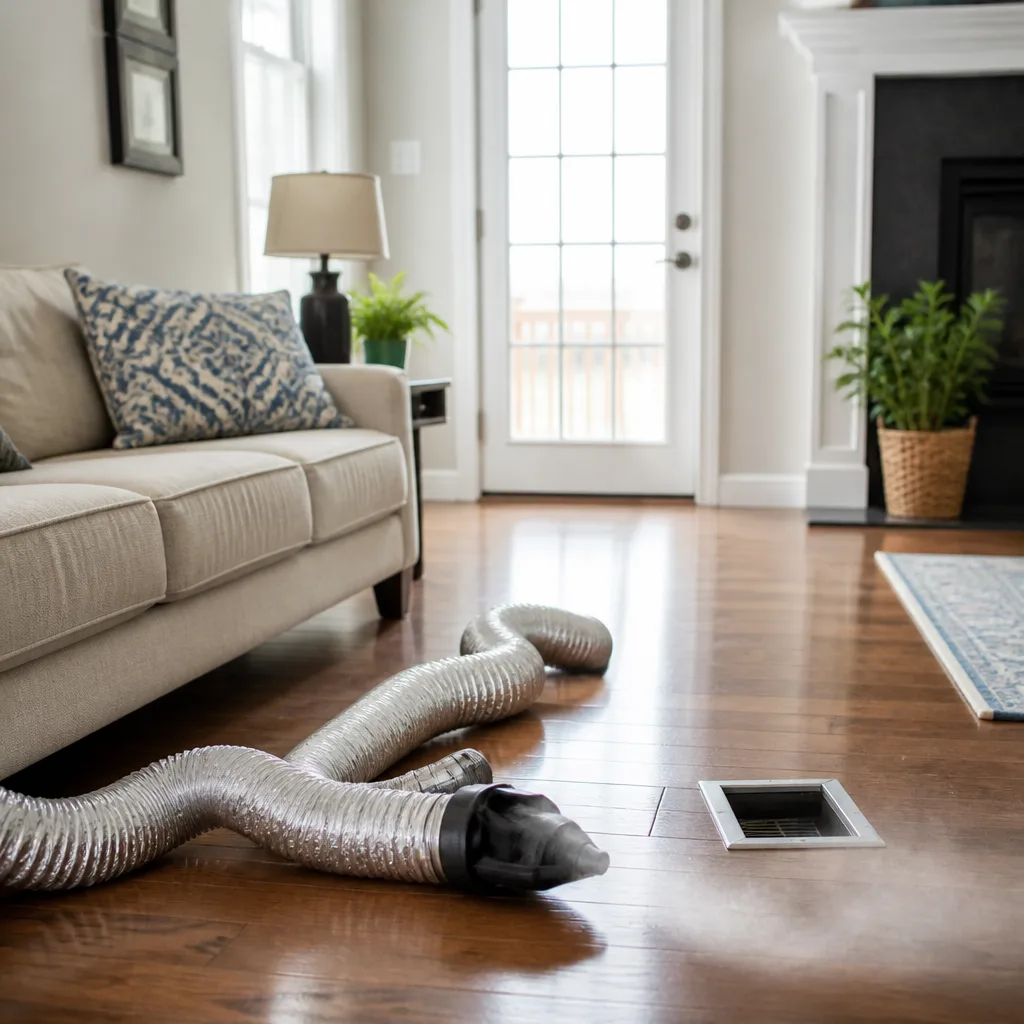 Sanitizing & deodorizing
Whole-system duct and dryer vent check with before-and-after photos - you see exactly what came out of your vents
That "$99 whole-house special" is a bait ad - the real number appears once they are in your hallway, or the "clean" is a shop-vac at the register. We photograph the inside of your ducts before and after instead.
Rotobrush Register & Grille Cleaning: The Austin Owner’s Guide
If your Rotobrush register and grille cleaning attachment has stopped gripping, lost suction at the brush head, or the bristles have worn down to nubs, we stock and install Rotobrush-compatible register and grille cleaning parts across Austin, with most installed jobs running $120 to $340 depending on what actually failed. We keep the common wear parts on the truck, so if it’s a brush head, collar, or quick-connect fitting, we can usually handle it the same day we come out. Most Austin owners notice the problem the first time they run the attachment across a ceiling register and the brush spins free instead of biting into the grime.

The part we’re talking about is the register and grille cleaning attachment that pairs with Rotobrush’s air duct cleaning systems, the smaller brush head you swap in when the main duct brush is too big for the job. On Rotobrush units, this attachment typically connects via a quick-release collar to the main vacuum hose and spins off the same motor drive as the larger brush. What fails first in Austin is almost always the bristle wear or the collar spring, and we’ll get into exactly why below.
Key Takeaways
- We stock Rotobrush-compatible register and grille cleaning parts and install them across Austin.
- Installed cost typically runs $120 to $340 depending on whether it’s a brush head, collar, or drive component.
- OEM Rotobrush parts and quality aftermarket equivalents both have a place; we’ll walk you through the tradeoff.
- Most register attachment failures are wear items, not system failures. The fix is usually faster than the diagnosis.
- Linden Air Duct Austin is an independent service provider, not affiliated with Rotobrush.
Which Rotobrush Models This Applies To
The register and grille cleaning attachment is designed to work across Rotobrush’s aiR+ and 1XP series duct cleaning systems, which are the two model lines we see most often in Austin homes. If you’re running a Rotobrush aiR+ or a 1XP, the quick-connect collar on the register attachment should mate directly with your existing hose and drive assembly. The compatibility gotcha we run into constantly: older Rotobrush units sold before roughly 2012 use a slightly narrower collar diameter, and the newer replacement heads won’t seat properly on those older hoses without a collar adapter. If you’ve got a unit that’s been in service for a decade-plus, measure the collar opening before you buy, or just have us take a look.
Identifying the right part is straightforward. The register attachment is noticeably smaller than the main duct brush, usually 4 to 6 inches across depending on the series, with a shorter bristle profile meant to get into the shallow space behind a floor or ceiling register. The attachment housing will have a small label with the model number stamped on or near the collar. If the label’s worn off, which happens more often than you’d think, the collar diameter gets you most of the way there. On the OEM versus aftermarket question for Rotobrush specifically: OEM brush heads hold their bristle stiffness longer under repeated heat exposure, which matters in Austin attics where summer temperatures regularly cook stored equipment. Quality aftermarket heads cost 30 to 40 percent less and perform fine for homeowners doing seasonal cleaning, but the bristles tend to soften faster. For a homeowner cleaning their own system twice a year, aftermarket is usually the honest recommendation. For a working tech running the tool daily, OEM.
Styles & brands we work with
Signs Your Rotobrush Register & Grille Cleaning Is Failing
- Brush spins freely without grabbing the grille surface. This is bristle wear, plain and simple. The nylon bristles get shorter and stiffer with age, especially after repeated exposure to Texas attic heat, and eventually they can’t bite into metal register fins anymore. The brush looks fine until you run it across a surface and it just skates.
- Attachment pops off the hose mid-cleaning. The quick-connect collar has a spring-loaded retaining ring that wears out. When that spring loses tension, the attachment seats loosely and the vacuum pressure or brush torque pushes it right back off. In Austin, we see this most often on units stored in garages where temperature swings work the spring metal hard.
- Reduced suction at the register head. If the main duct brush pulls fine but the register attachment barely lifts dust, you’ve got a partial clog inside the attachment neck or a collar seal that’s no longer seating airtight. Hair, drywall dust, and construction debris are the usual culprits in Austin homes, especially after renovations.
- Grinding or chattering noise when the brush spins. This points to a worn bearing or bushing in the drive end of the attachment. It starts as a faint chatter and gets louder. Lubrication isn’t a fix here; the bearing needs replacement or the housing will eventually score.
- Bristles are visibly flattened on one side. That’s a storage issue as much as a wear issue. If the attachment gets stored with weight resting on the bristles, they take a permanent set. We’ve opened truck boxes and found brush heads that look like they got run over. They’ll never spin true again, even if the rest of the part is fine.
See the difference
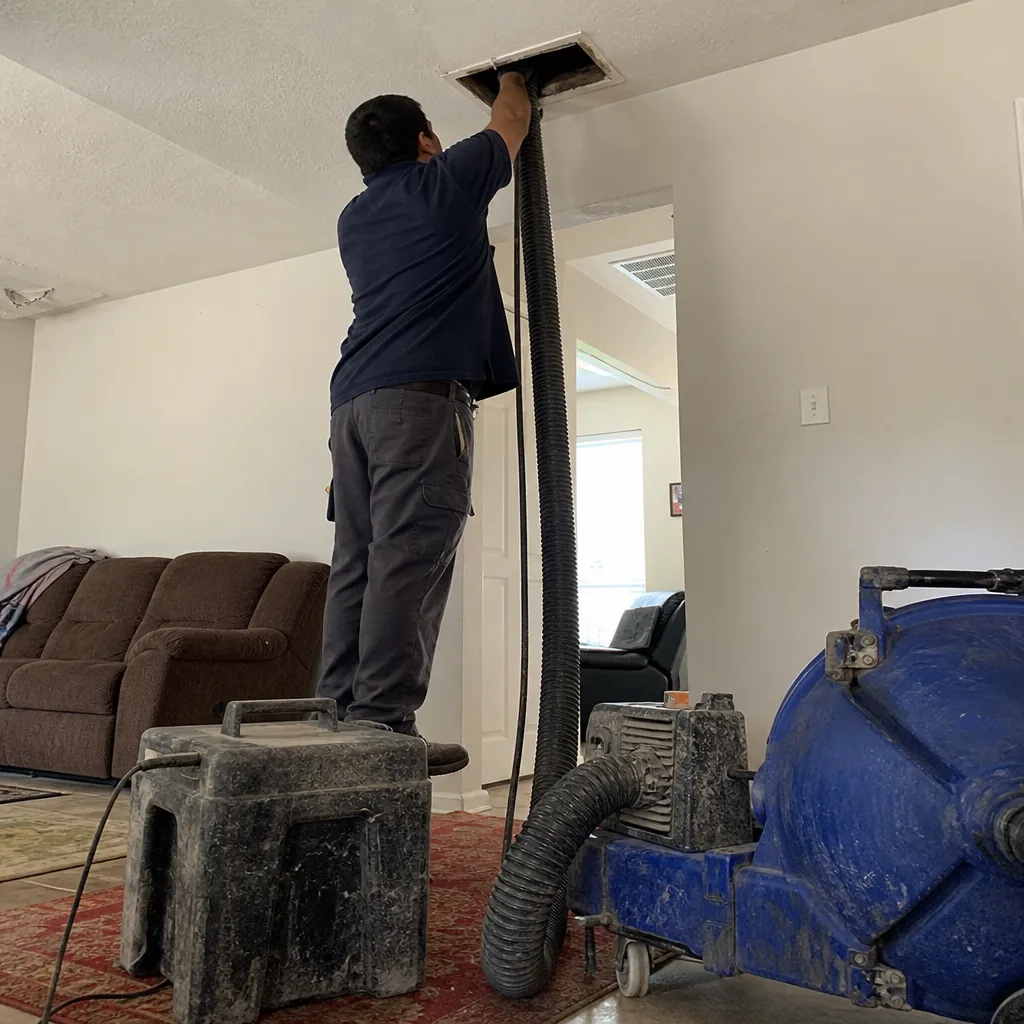 Before
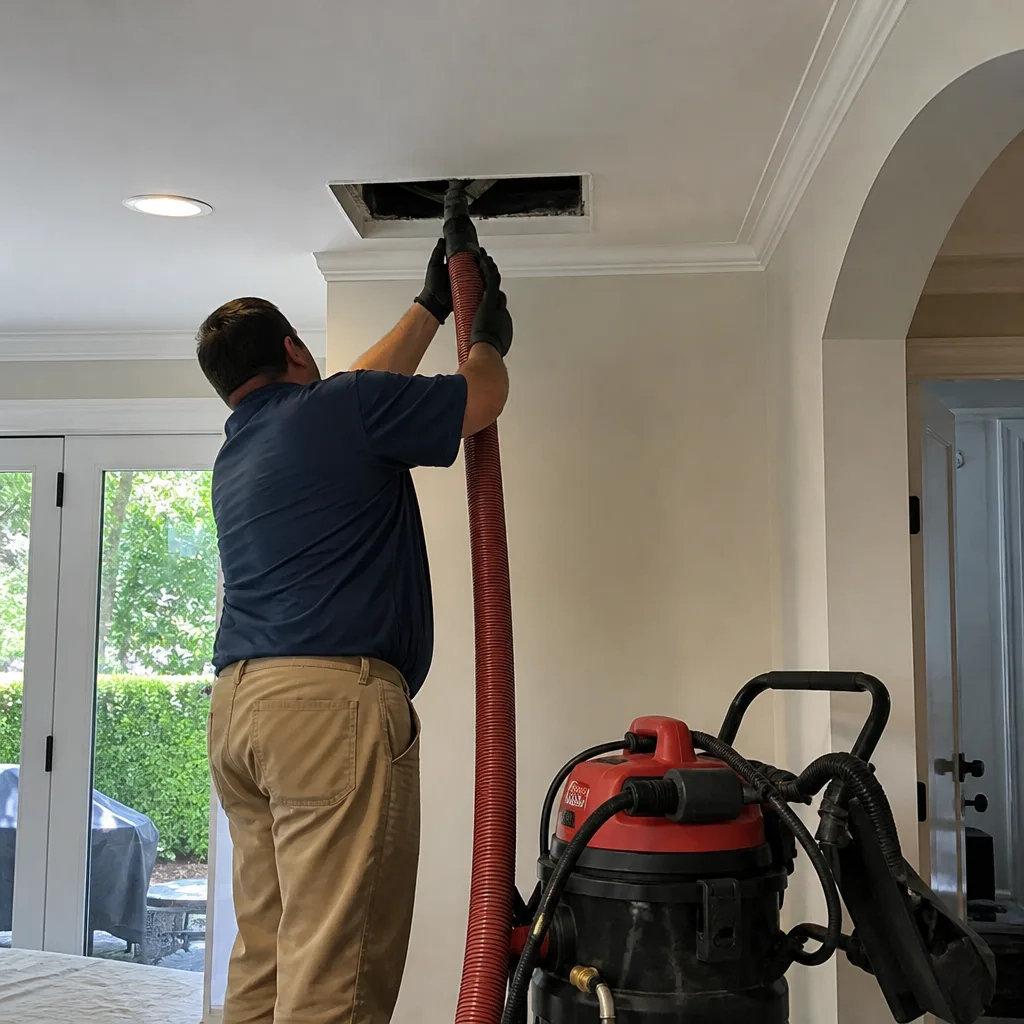 After
After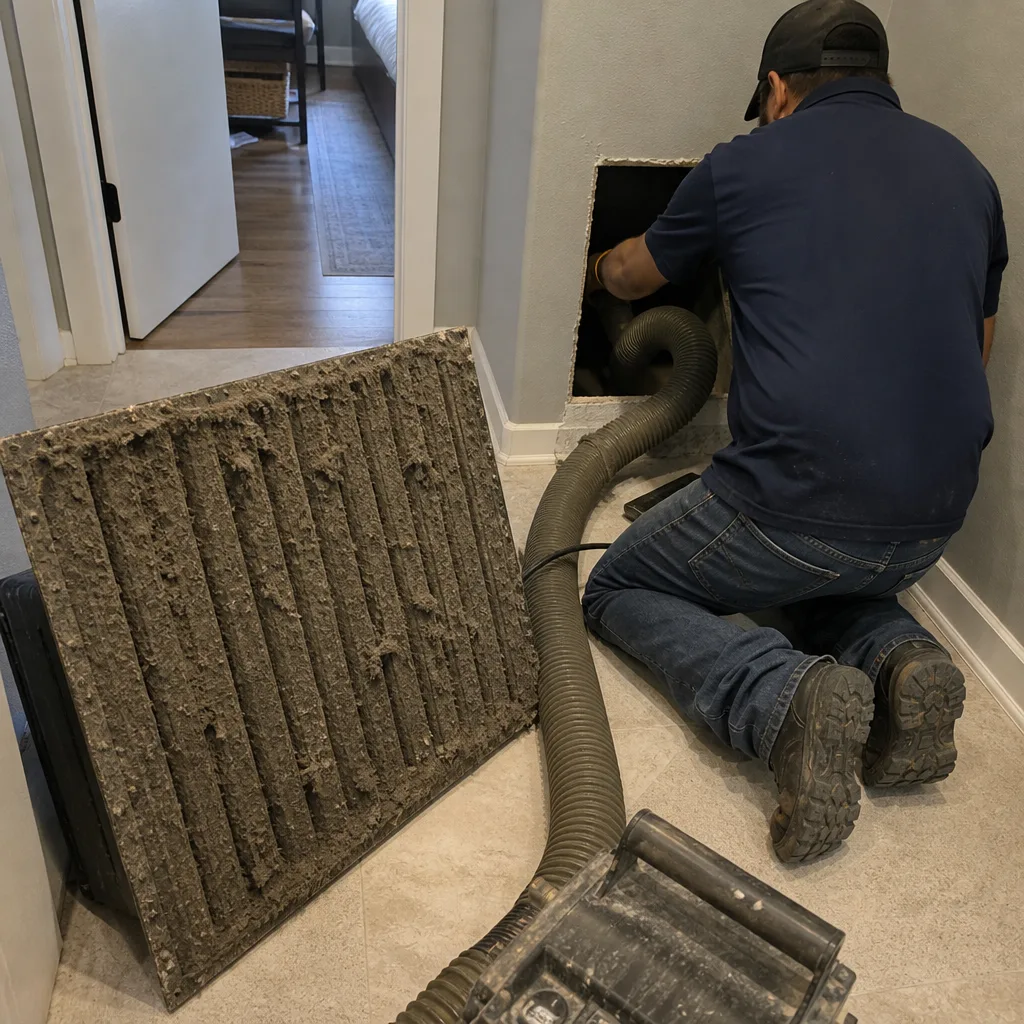 Before
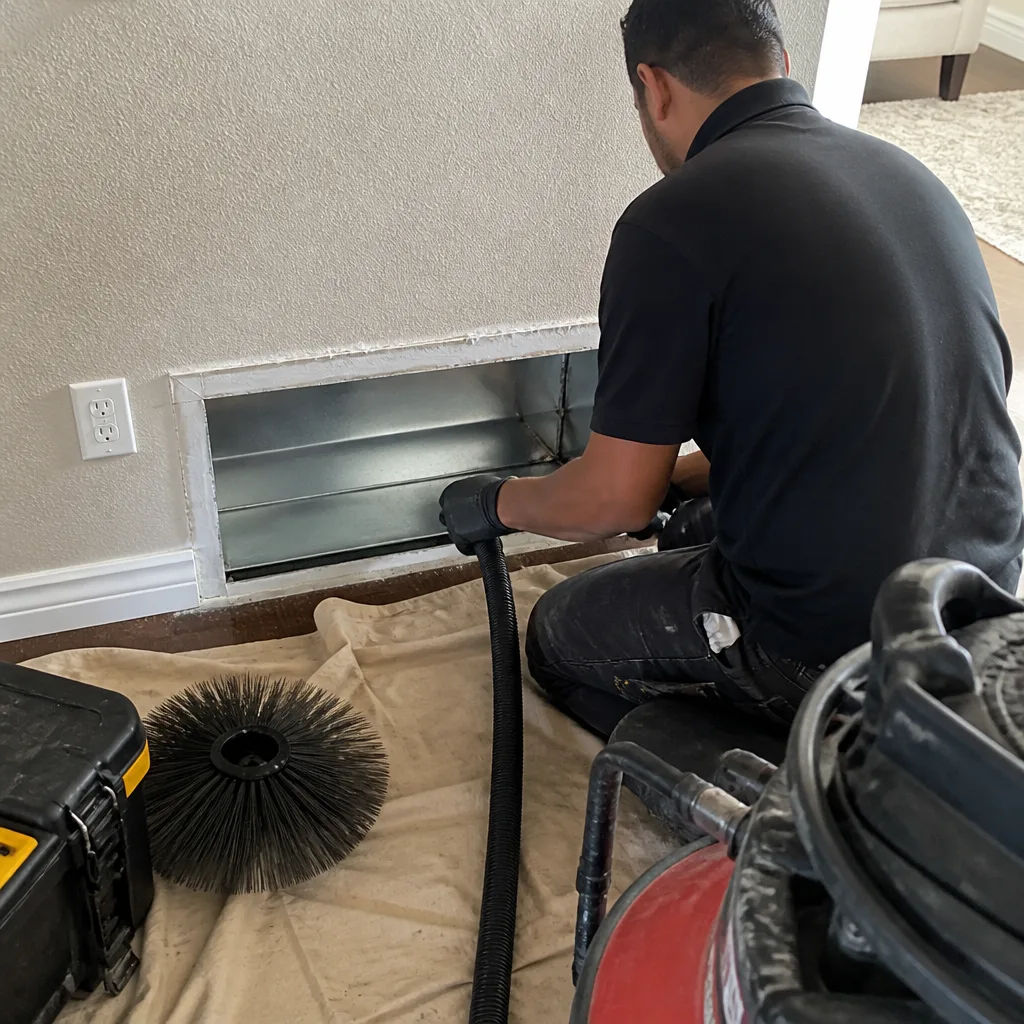 After
After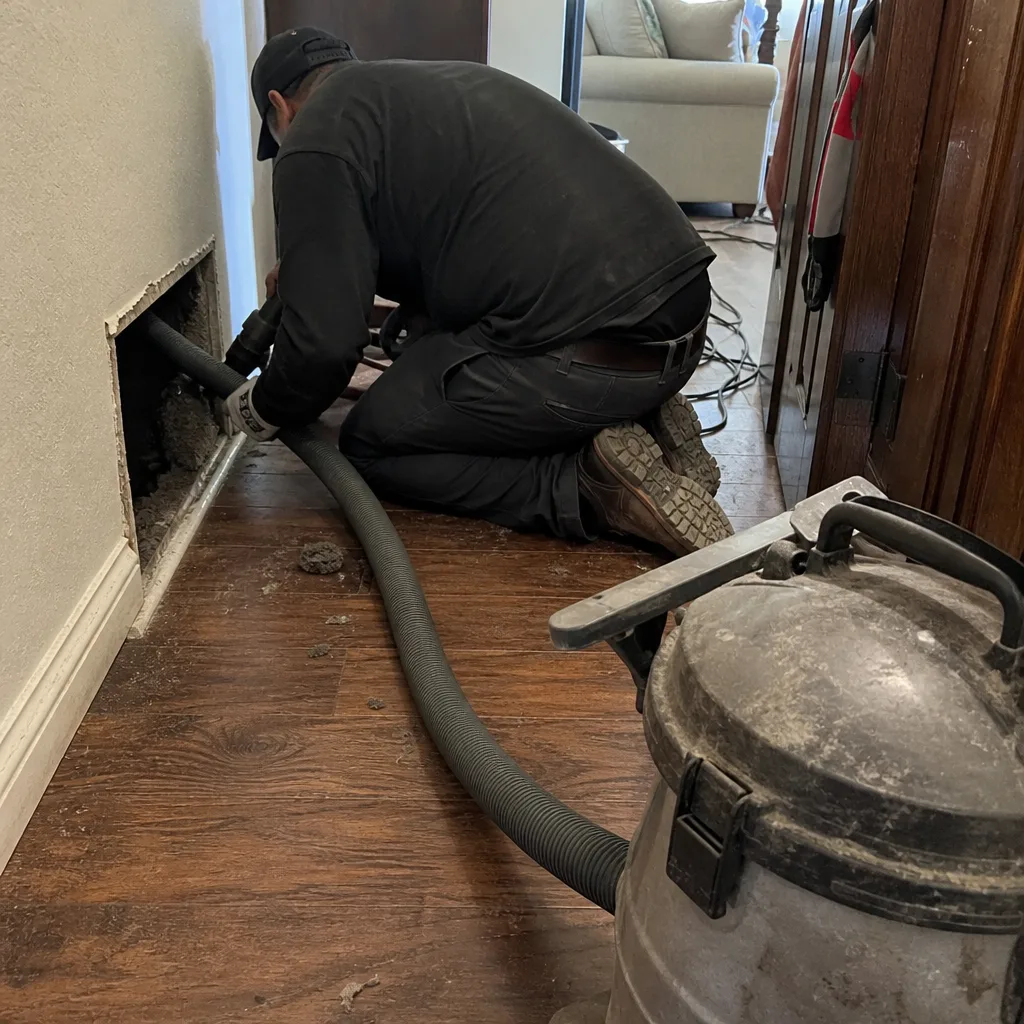 Before
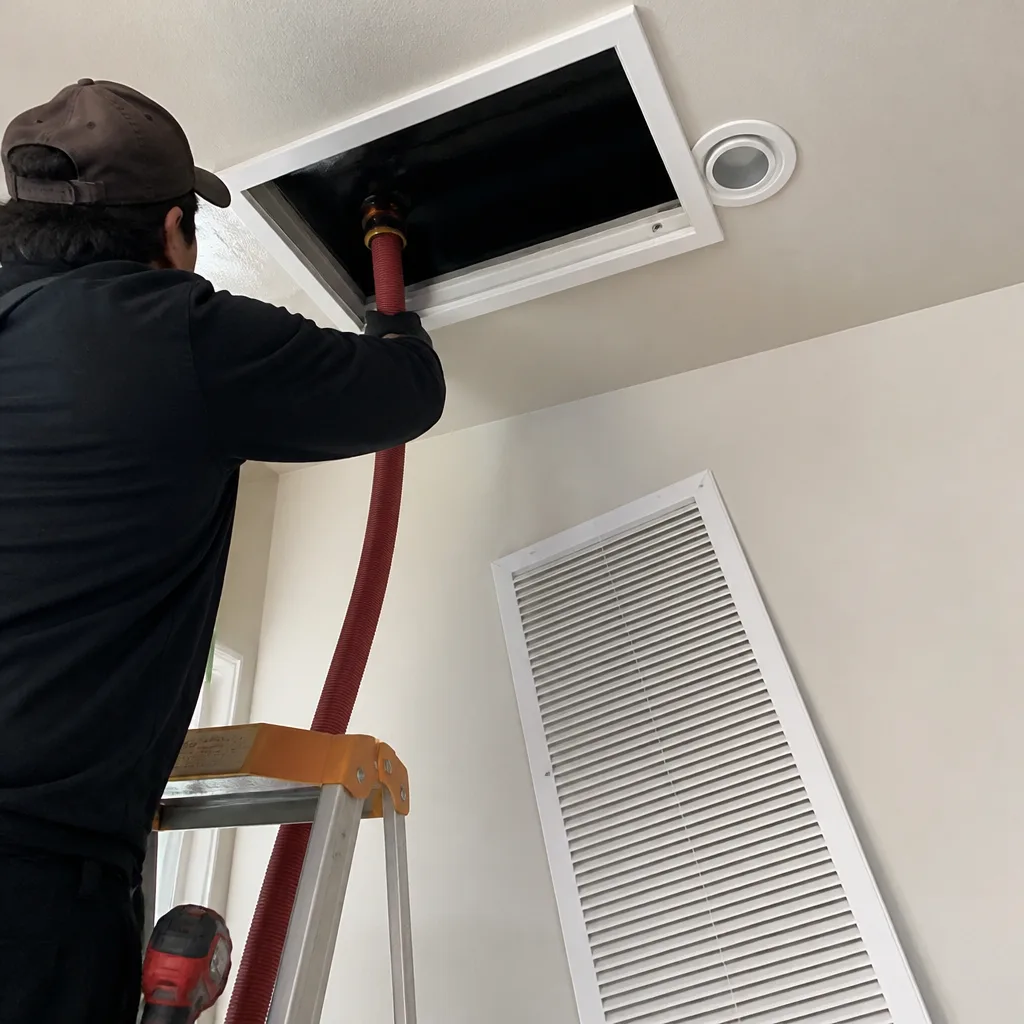 After
AfterReplacement Cost & What’s Included
In Austin, you should expect to pay between $120 and $340 installed for a Rotobrush register and grille cleaning attachment repair, depending on what actually failed. A replacement brush head alone runs $60 to $110. A collar or quick-connect replacement runs $40 to $80. If the drive bearing went, you’re looking at $150 to $250 in parts plus labor, which is where the upper end of that range comes from. These numbers reflect the Austin market for this specific Rotobrush-compatible part, and they include us doing the install, not just selling you a box.
What’s included: we diagnose the specific failure, quote you a written price before any work begins, install the correct part, and test the attachment on a register in your home to confirm it’s spinning and sealing properly. Every repair carries our written guarantee, and if the covered repair fails, we come back at no charge. That’s the part most people don’t ask about until something breaks, and by then they’re glad it’s in writing.
DIY or Call Us?
The honest split is this: you can safely inspect the attachment yourself. Pull it off the hose, look at the bristles, check the collar spring, and assess whether the neck is clear of debris. That’s just looking. The repair itself, especially anything involving the drive bearing or collar replacement, requires the right puller tools and a bench setup most homeowners don’t keep in the garage. Forcing a seized bearing out with the wrong tool scores the housing, and then you’ve turned a $120 fix into a $340 replacement.
There’s no high-tension or electrical hazard with this particular part, so I won’t dress it up as dangerous. It’s more that the small precision parts inside the collar and bearing assembly are easy to damage if you’re not set up for it, and a damaged housing means buying the whole attachment instead of the one part that failed. For most Austin homeowners, the math favors a phone call to (940) 461-7203, where a live person answers and we’ll tell you straight what you’re likely looking at before we ever put a boot in the van.
FAQs
For a homeowner cleaning their own Austin system once or twice a year, expect the brush head to last 3 to 5 years before bristle wear becomes noticeable, with the collar spring typically going in the same window if the unit is stored in an unconditioned garage where summer heat accelerates metal fatigue. Full-time techs replace brush heads far more often. If yours wore out faster than that, storage conditions or a partial clog are usually the explanation.
Yes, in most cases the specific failed component, whether it’s the brush head, collar, or bearing, can be replaced without buying a whole new attachment, and that’s almost always the cheaper path in Austin. The exception is a scored or cracked housing, which isn’t worth repairing. We’ll always quote the repair path first if it makes sense financially. Call (940) 461-7203 and we’ll talk it through.
A straightforward brush head or collar replacement takes 20 to 30 minutes once we’re on site and have the right part in hand, which is why we keep the common wear parts stocked on the truck for Austin service calls. A drive bearing replacement runs longer, usually under an hour, because the housing comes apart and goes back together carefully. Either way, it’s a quick visit, not a project.
We stock Rotobrush-compatible brush heads, collars, and quick-connect fittings on the truck, and we can source OEM Rotobrush parts within a day or two for anything we don’t carry. We also work with parts for Lennox, Trane, and Carrier systems for the bigger duct cleaning picture. If you’re not sure which part you need, call us and describe what the attachment is doing. Tell me what the system is doing, and I’ll tell you what it needs – no upsell, no alarm, just the straight answer.
Written by Marcus Veale, Owner, Linden Air Duct Austin, serving Austin and nearby areas.