
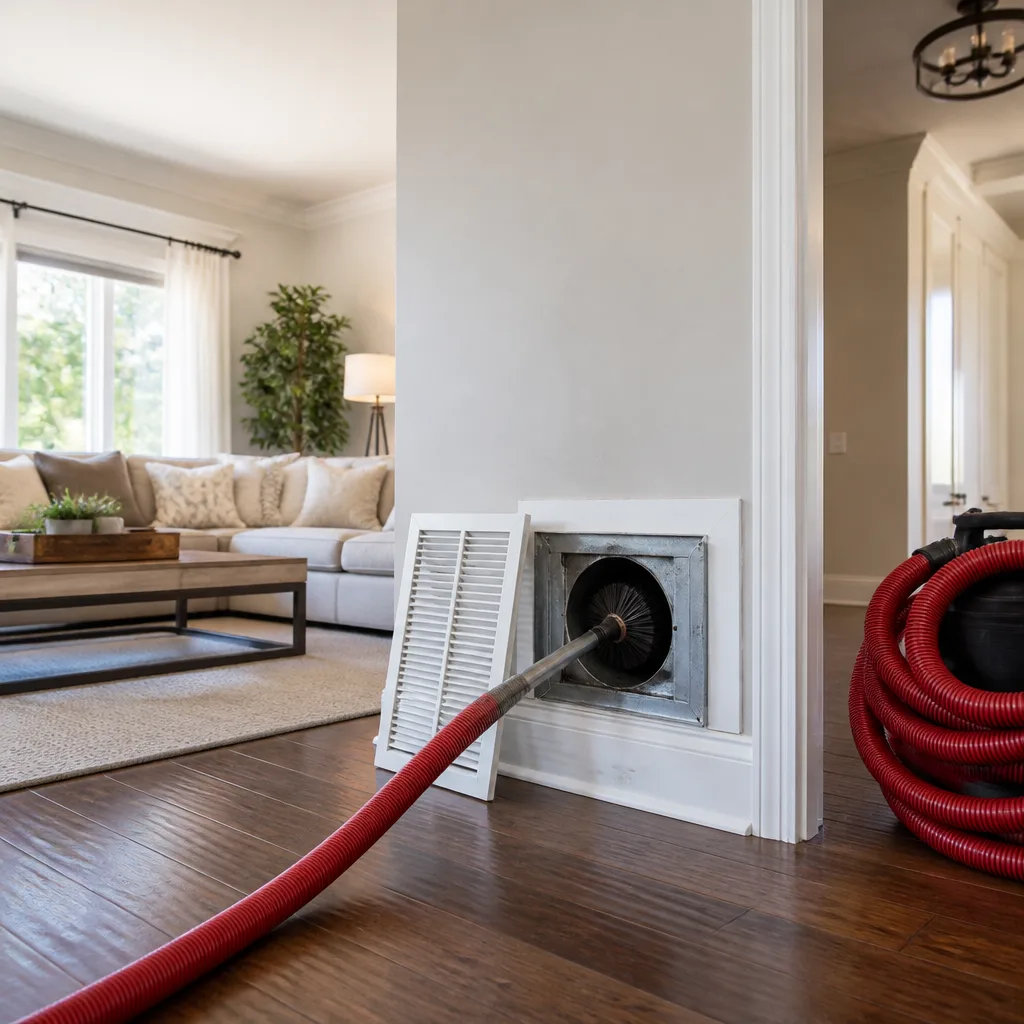
 Whole-home duct cleaning
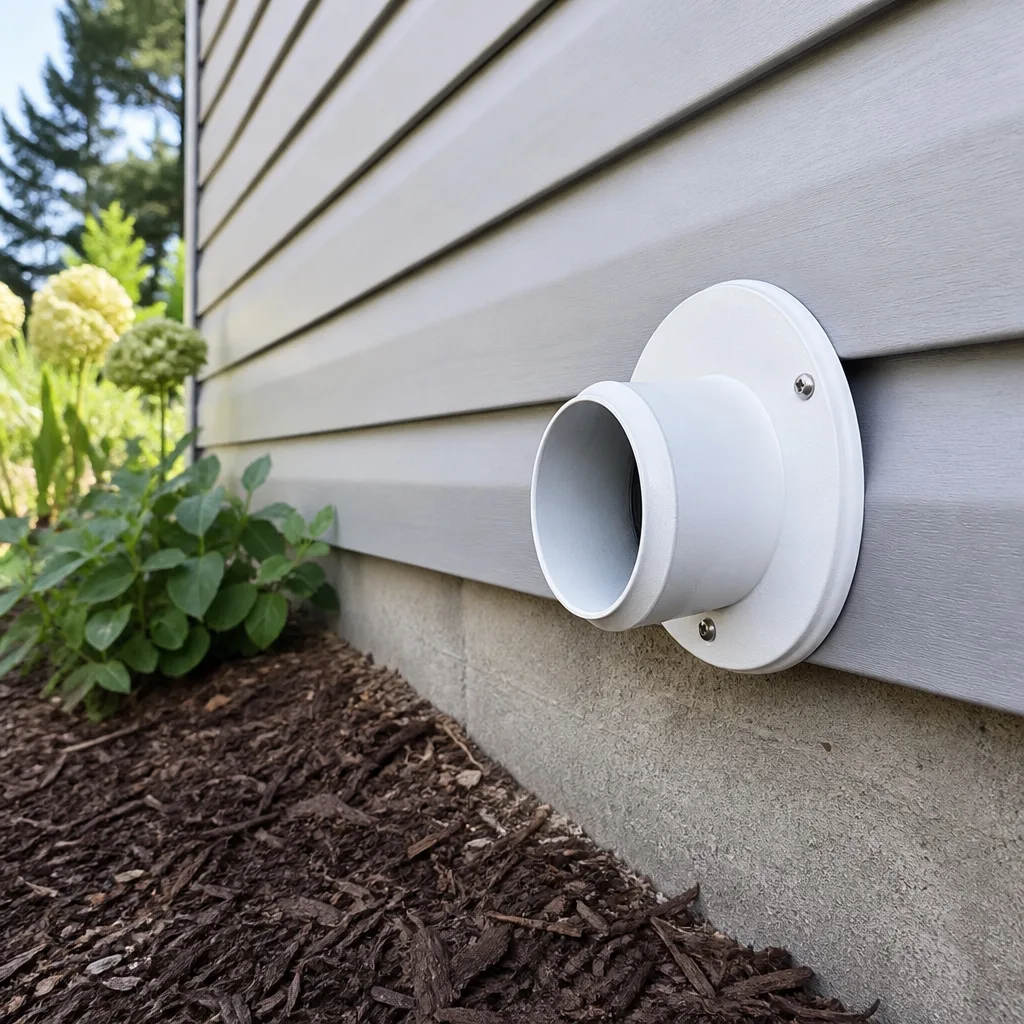 Dryer vent cleaning
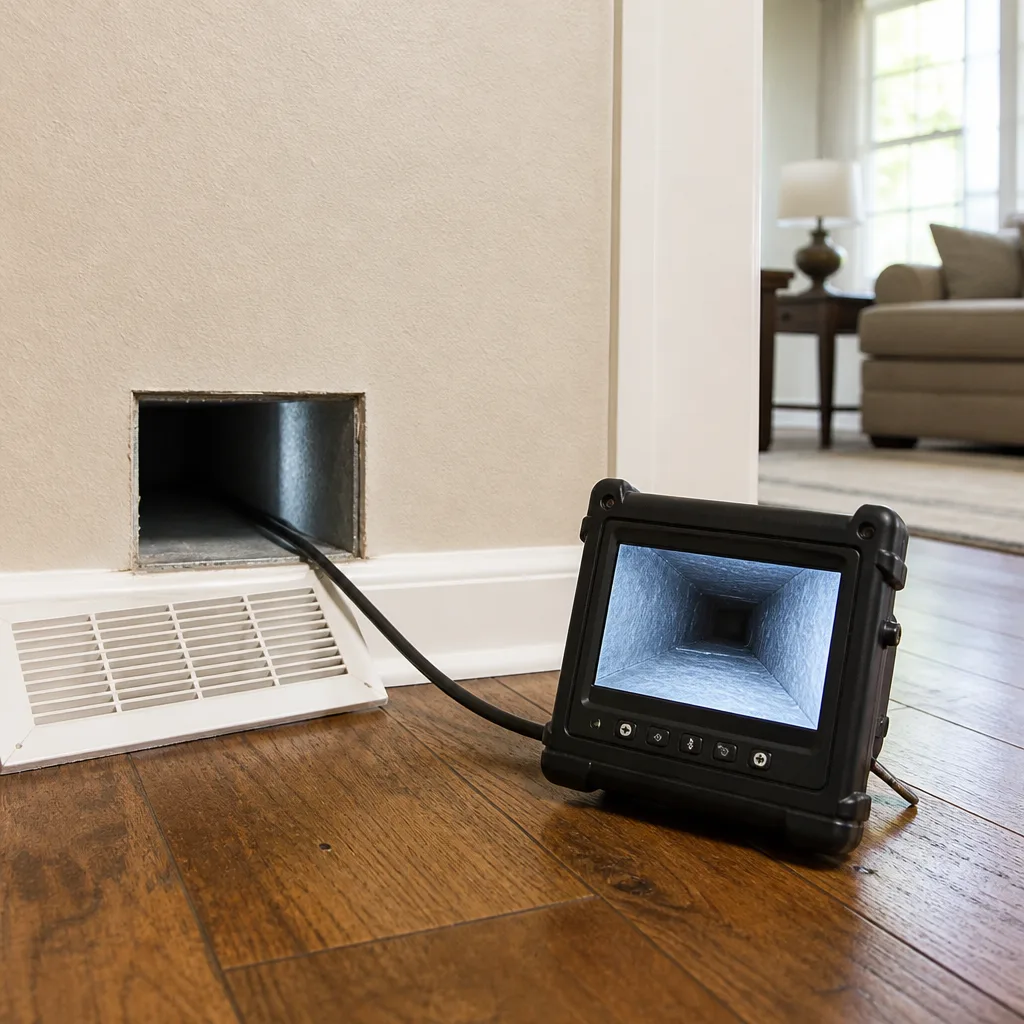 Camera inspection
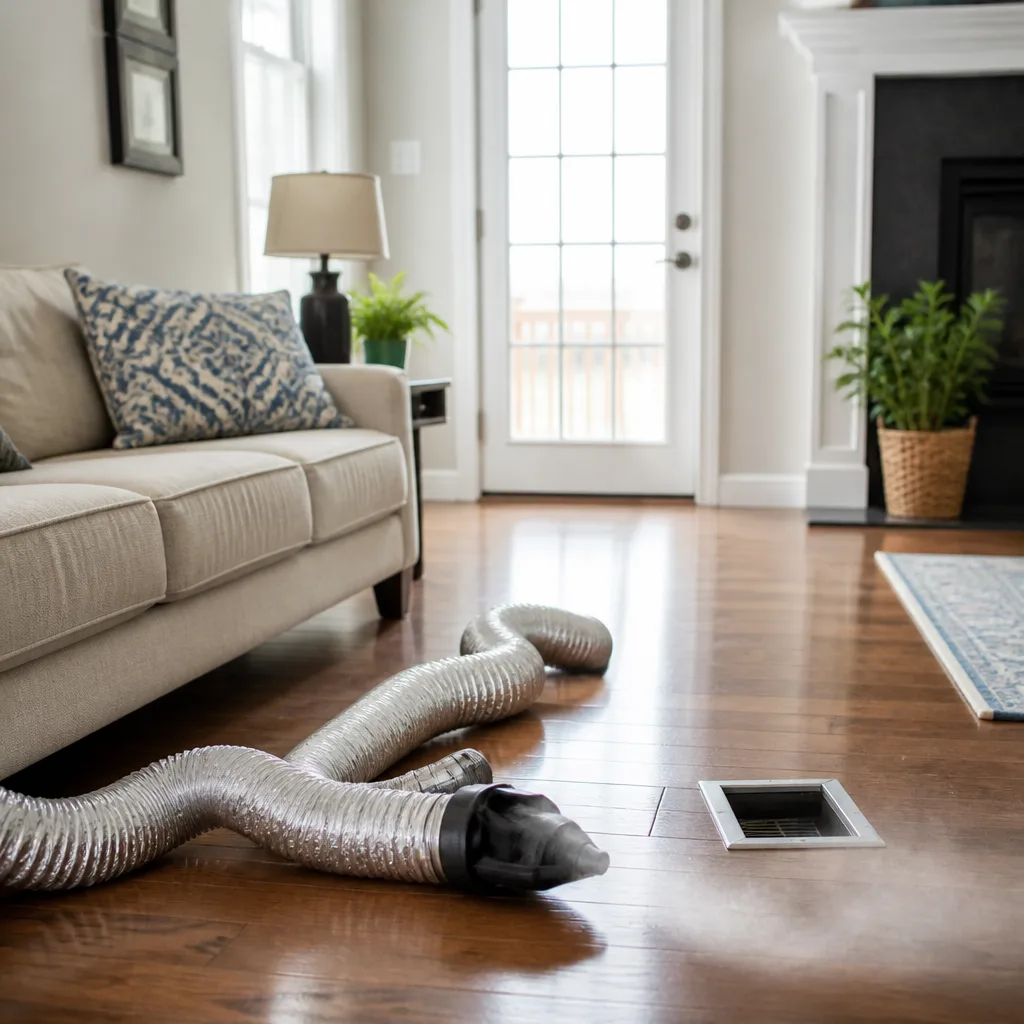 Sanitizing & deodorizing
Whole-system duct and dryer vent check with before-and-after photos - you see exactly what came out of your vents
That "$99 whole-house special" is a bait ad - the real number appears once they are in your hallway, or the "clean" is a shop-vac at the register. We photograph the inside of your ducts before and after instead.
Rotobrush Duct Sealing & Repair: The Austin Owner’s Guide
If your Rotobrush duct sealing or repair component has failed, here’s the straight answer: we stock Rotobrush-compatible sealing and repair parts on our trucks, and most Austin jobs run between $240 and $680 installed, depending on what failed and how much of your duct system needs attention. We can usually get to you within a few business days, not weeks. Most homeowners discover the problem the same way: a musty smell that won’t quit, a visible gap at a duct joint, or dust showing up on furniture faster than it should.

We’re an independent service provider, not affiliated with Rotobrush, but we’ve worked with their equipment for years. The good news? Rotobrush systems are built around standardized duct components, which means the sealing and repair parts are usually straightforward to source and replace correctly, provided you know exactly which series you’re dealing with.
Which Rotobrush Models This Applies To
Rotobrush equipment serves two distinct functions in a home. The cleaning machines themselves (like the aiR+ and the R500 series) use brushes and vacuum systems, but when we talk about duct sealing and repair, we’re talking about the fixed components in your home’s ductwork that Rotobrush systems either installed or that we’re sealing as part of an indoor air quality job. That includes flex duct connections, metal trunk line joints, plenum seams, and boot-to-floor connections.
Here’s the compatibility gotcha most Austin homeowners don’t know: the sealing mastic and tape specifications vary by duct type and by which Rotobrush sealing method was originally used. A system sealed with aerosol-based sealant (like Aeroseal-style applications) requires a different repair approach than one sealed with mastic and UL-181-rated foil tape. Before any work happens, we identify the existing sealant type, measure the duct dimensions, and check the manufacturer’s label on the trunk line. OEM Rotobrush sealant compound is good, but for most residential repairs, a quality UL-181A-FX rated mastic and UL-181B-FX rated tape from a trade supplier does the job just as well at a lower cost. We’ll tell you which route makes sense for your specific failure point.
Styles & brands we work with
Signs Your Rotobrush Duct Sealing & Repair Is Failing
- Dust accumulating on surfaces within days of cleaning. When a duct joint separates or a return leak opens up, the system pulls unfiltered air from attics and wall cavities, and that dust lands on your furniture fast. In Austin, where cedar pollen and limestone dust are constant, a small return-air leak becomes obvious quickly.
- Rooms that never reach the thermostat temperature. A leak on the supply side means conditioned air is dumping into your attic or crawl space instead of your hallway. If one bedroom stays eight degrees warmer than the rest of the house, the ductwork is the first place we look.
- A musty or stale smell when the blower kicks on. Return-side leaks pull air from unconditioned spaces. In a Texas crawl space or attic, that air carries moisture and whatever’s growing in it. Sealing the leak usually kills the smell, because the smell was never in the ducts themselves.
- Visible gaps, peeling tape, or cracked mastic at duct joints. This is the one homeowners can spot themselves with a flashlight. Look at the connections where flex duct meets the trunk line and where boots meet the floor. If you see dried-out tape pulling away or mastic that’s cracked like old pottery, that’s a failed seal.
- Higher electric bills with no change in usage. Austin Energy bills creep up when your system runs longer to compensate for lost air. A 15% leak on the return side can add meaningful dollars over a Texas summer.
See the difference
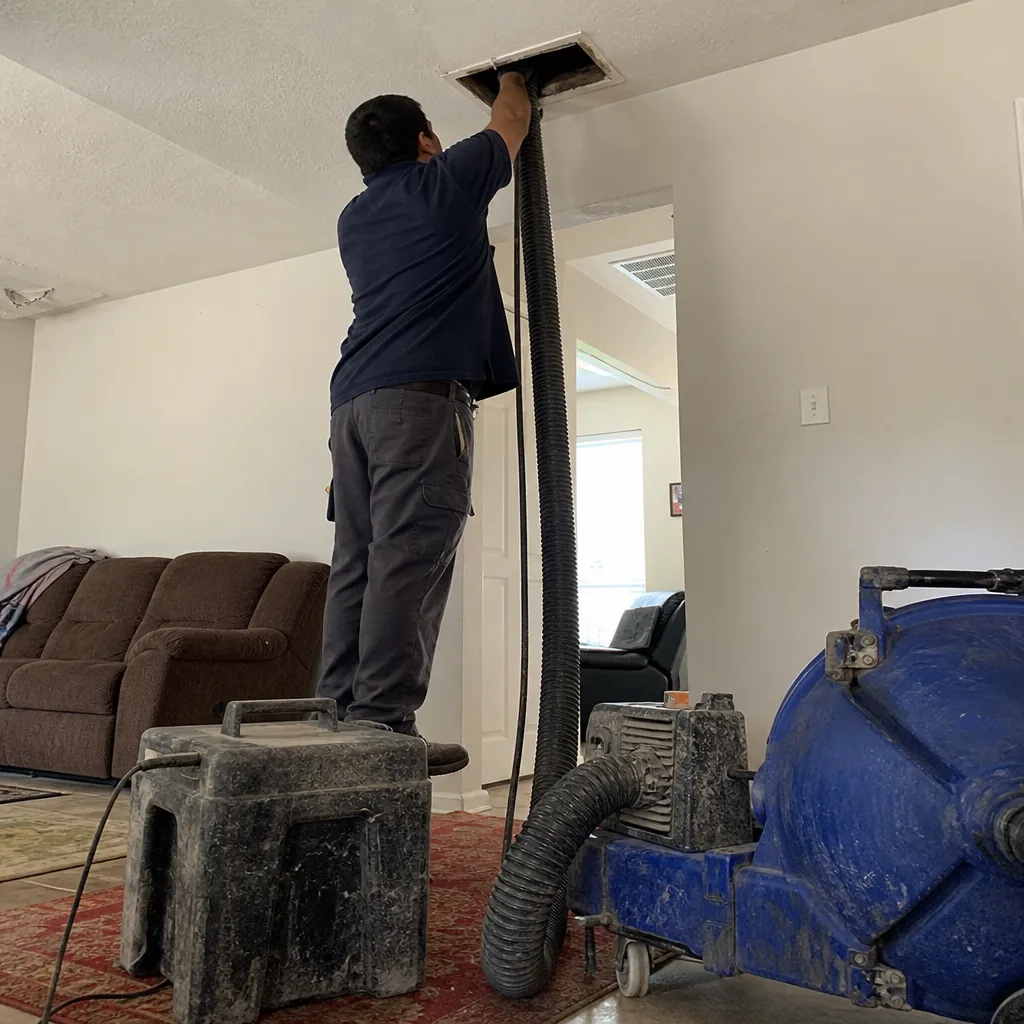 Before
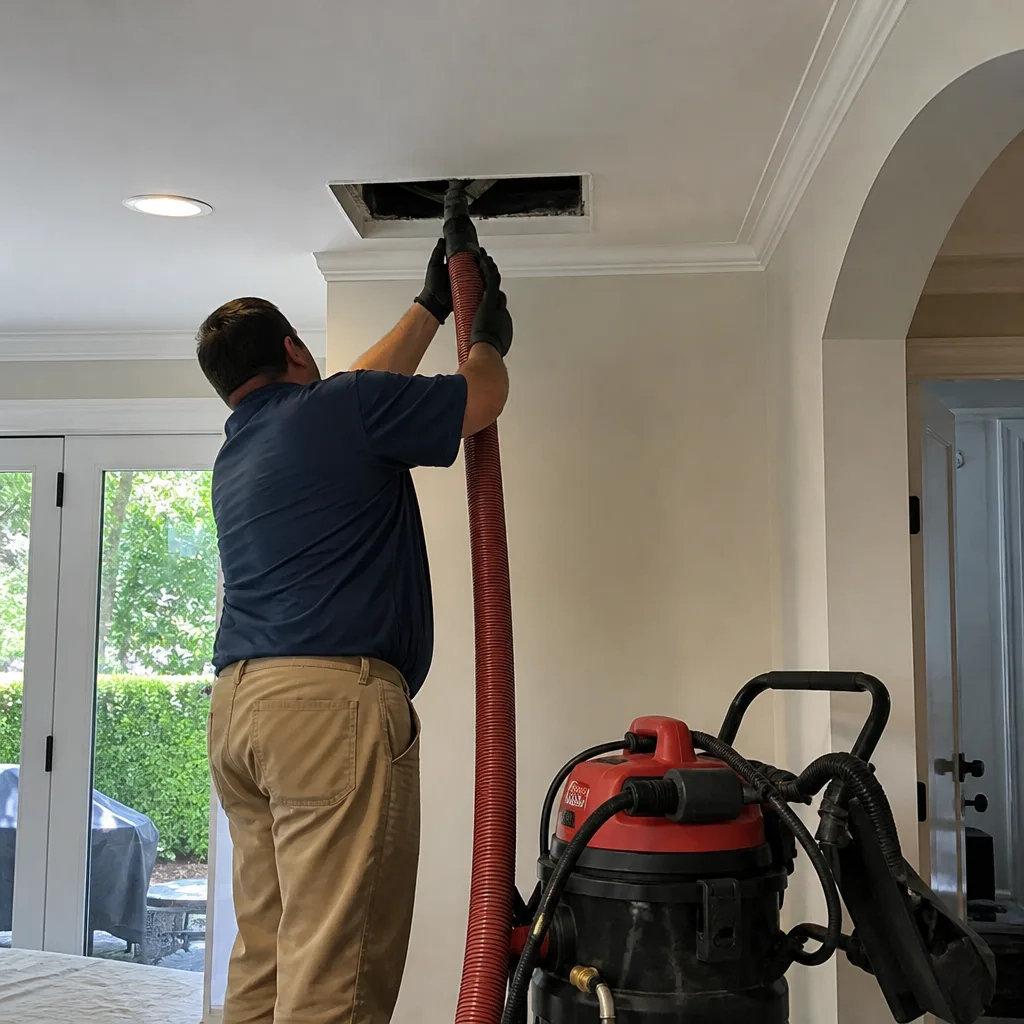 After
After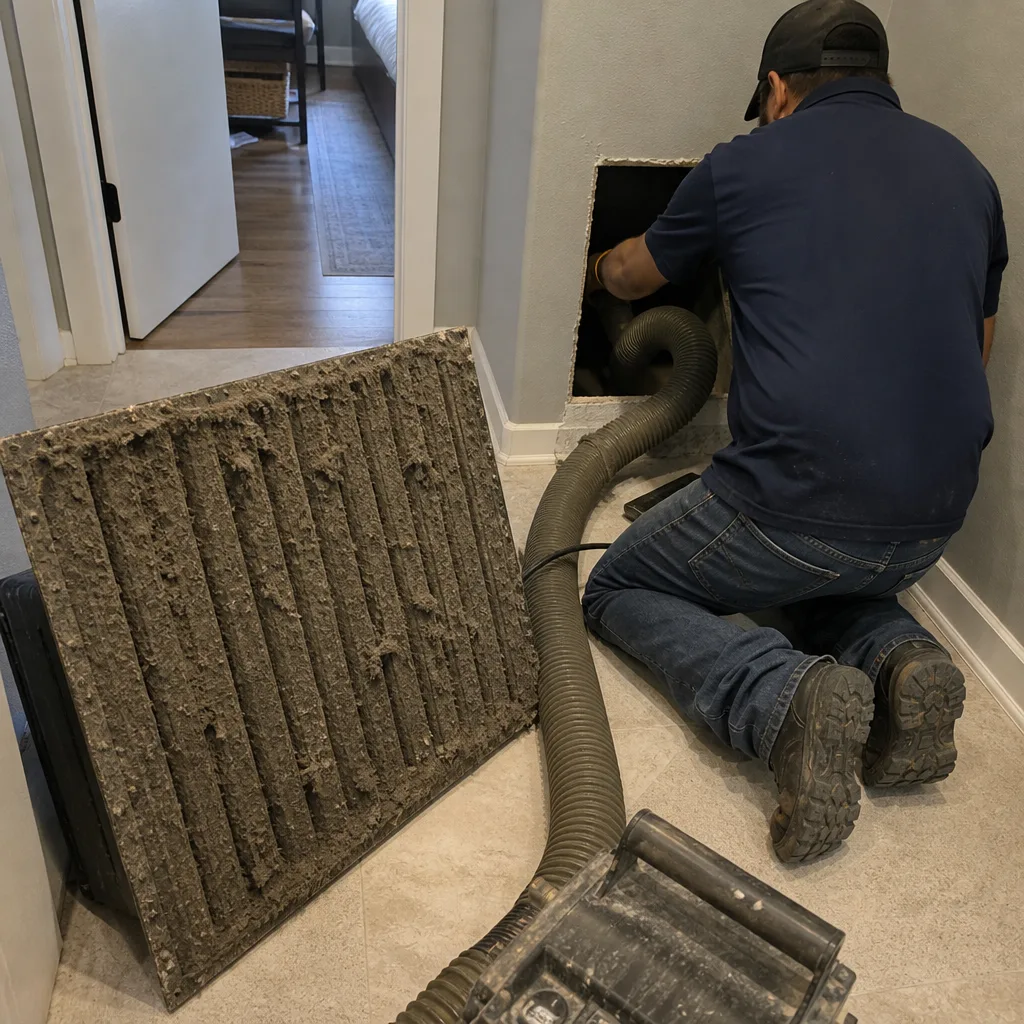 Before
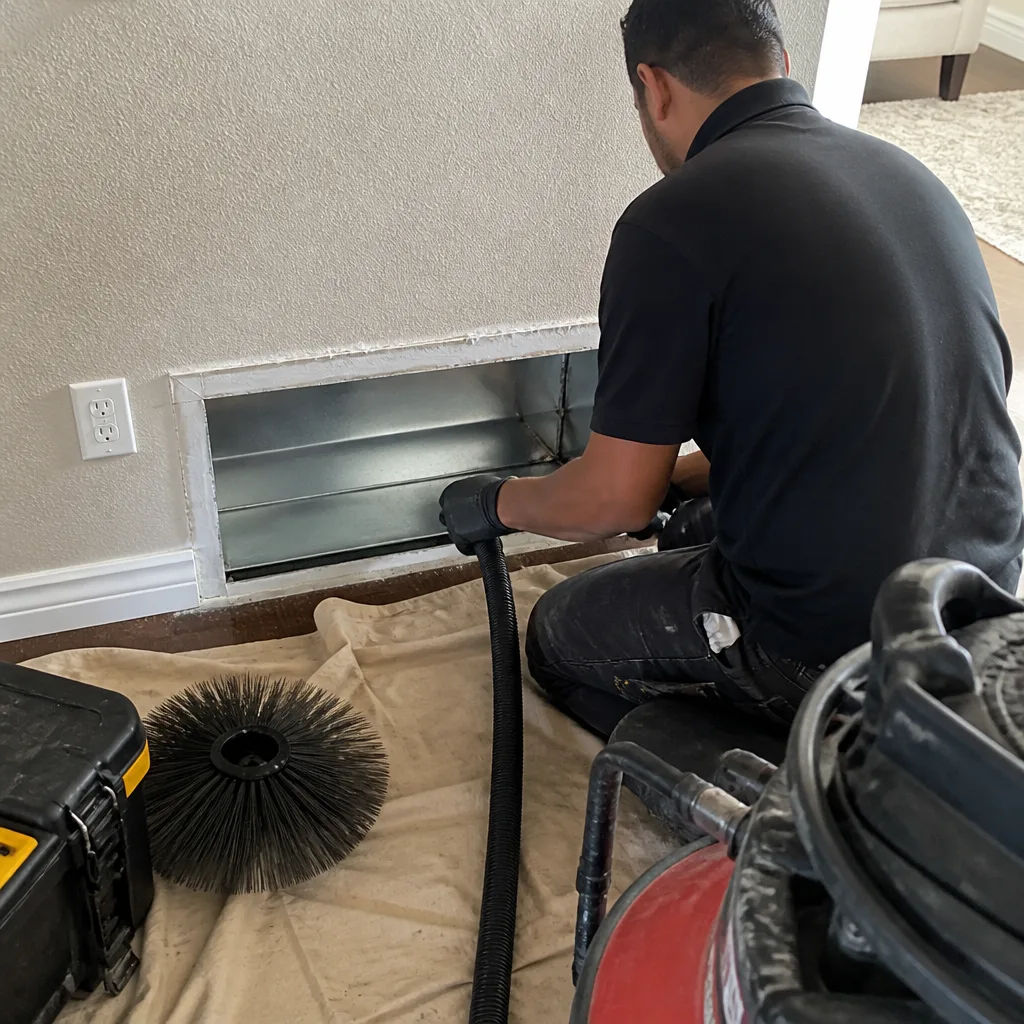 After
After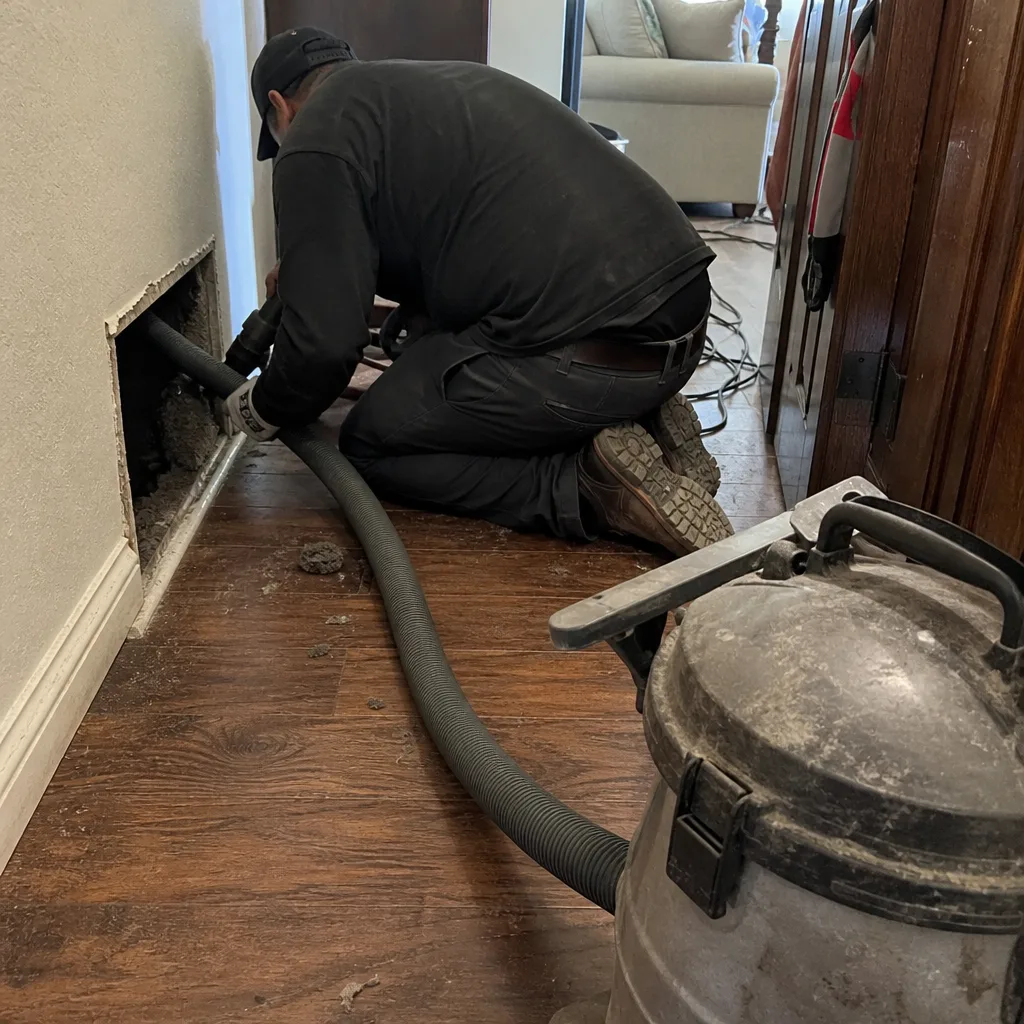 Before
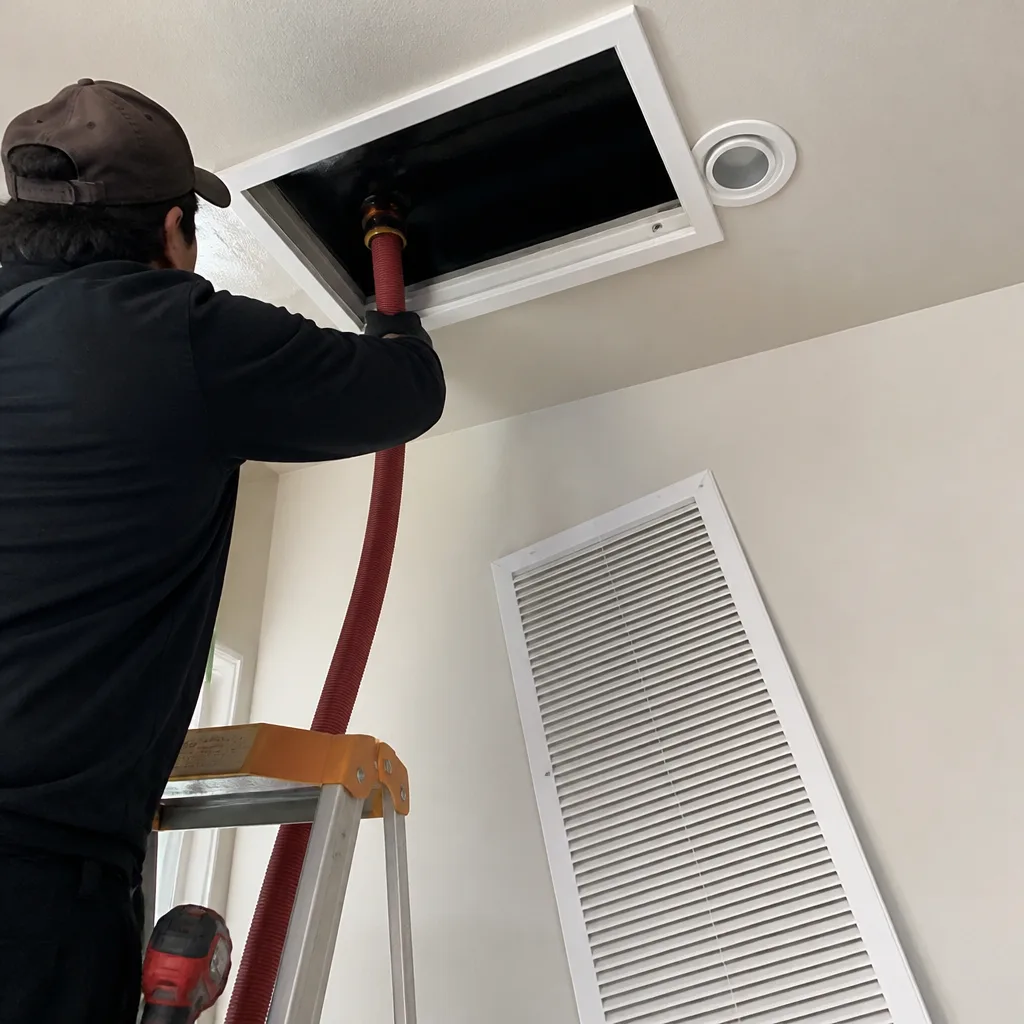 After
AfterReplacement Cost & What’s Included
In Austin, expect to pay between $240 and $680 for Rotobrush-compatible duct sealing and repair work on a typical single-family home. The low end covers a single leaking joint or a couple of separated flex connections, resealed with UL-181 mastic and tape plus a static pressure check. The high end covers multiple leaks across the system, including the plenum, trunk line seams, and several boot connections, with a full airflow test afterward.
What drives the price up? Access. Attic work in an Austin summer is brutal, and if your ductwork is buried under blown-in insulation or squeezed into a tight chase, that labor is real. Larger homes with longer duct runs and more connections cost more because there are more failure points. We give you a written price before any work starts, and that number does not change. Parts and labor are broken out on the invoice so you see exactly what you paid for. Every repair comes with our written guarantee covering the work for 365 days, and if a covered repair fails during that window, we come back and make it right at no charge. We’ve worked on homes from Circle C to Pflugerville, and Marcus Veale’s rule is simple: “Tell me what the system is doing, and I’ll tell you what it needs – no upsell, no alarm, just the straight answer.”
DIY or Call Us?
Here’s the honest split. If you’re comfortable in your attic with a flashlight and a roll of UL-181 foil tape, you can temporarily patch a visible gap at a flex duct connection. Tape it tight, don’t overdo it, and know that tape alone is a stopgap, not a seal. Duct tape (the gray stuff) is not rated for ductwork and will fail within a year in Austin heat. Mastic is the real fix, and applying mastic correctly means cleaning the surface, bridging the gap, and giving it proper cure time, which in a 140-degree attic is not a fun afternoon.
Where DIY typically goes wrong is the hidden stuff. Return-air leaks inside wall cavities, separated joints inside insulation, and cracked plenum seams all require a pressure test and inspection scope to locate. If you can’t see the leak, you can’t fix it. Also remember: if your system is older or you have gas appliances, a sealed combustion safety check matters. We’re glad to walk you through what you’re seeing over the phone; if it’s beyond a simple tape patch, calling us at (940) 461-7203 gets you a real answer, not a voicemail.
FAQs
Properly applied mastic and UL-181 tape on clean metal or flex connections typically hold for 8 to 12 years in Austin. The heat and humidity cycles in our attics punish cheap tape and thin mastic, so the material quality and surface prep matter more here than in a mild climate. If the original seal failed in under five years, it was likely applied to a dusty or damp surface, and we’ll prep it right before resealing. Call (940) 461-7203 and we’ll tell you what you’re working with.
Most failures can be repaired without replacing ductwork. Separated flex connections, cracked mastic, and peeled tape are all reparable in place. Replacement only becomes necessary when the flex duct itself is torn, crushed, or water-damaged, and we’ll show you photos of the damage before recommending anything. Estimates are free, and the price you’re quoted is the price you pay.
A single-leak repair usually takes 45 to 90 minutes. A full system seal with multiple connections, plenum work, and airflow testing runs three to five hours, depending on access and attic conditions. We’ll give you a time window before we arrive, and the tech’s name and photo come to you before the visit, with a photo ID badge shown at the door.
Yes. Our trucks carry UL-181A-FX mastic, UL-181B-FX foil tape, flex duct connectors, mastic tape, and replacement collars that match Rotobrush system specifications. We also stock parts for Lennox, Trane, and Carrier systems, but Rotobrush-compatible sealing materials are always on board. If your job needs something unusual, we source it from a local Austin supplier within a day or two.
If your Rotobrush duct sealing has failed, don’t let it ride. Air you’re paying to heat or cool is leaving the building, and every week it stays that way is money on your Austin Energy bill. Call (940) 461-7203 for a free estimate, a written price before any work begins, and a repair backed by our 365-day guarantee. A live person answers, day or night.
Written by Marcus Veale, Owner, Linden Air Duct Austin at Linden Air Duct Austin, serving Austin and nearby areas.