
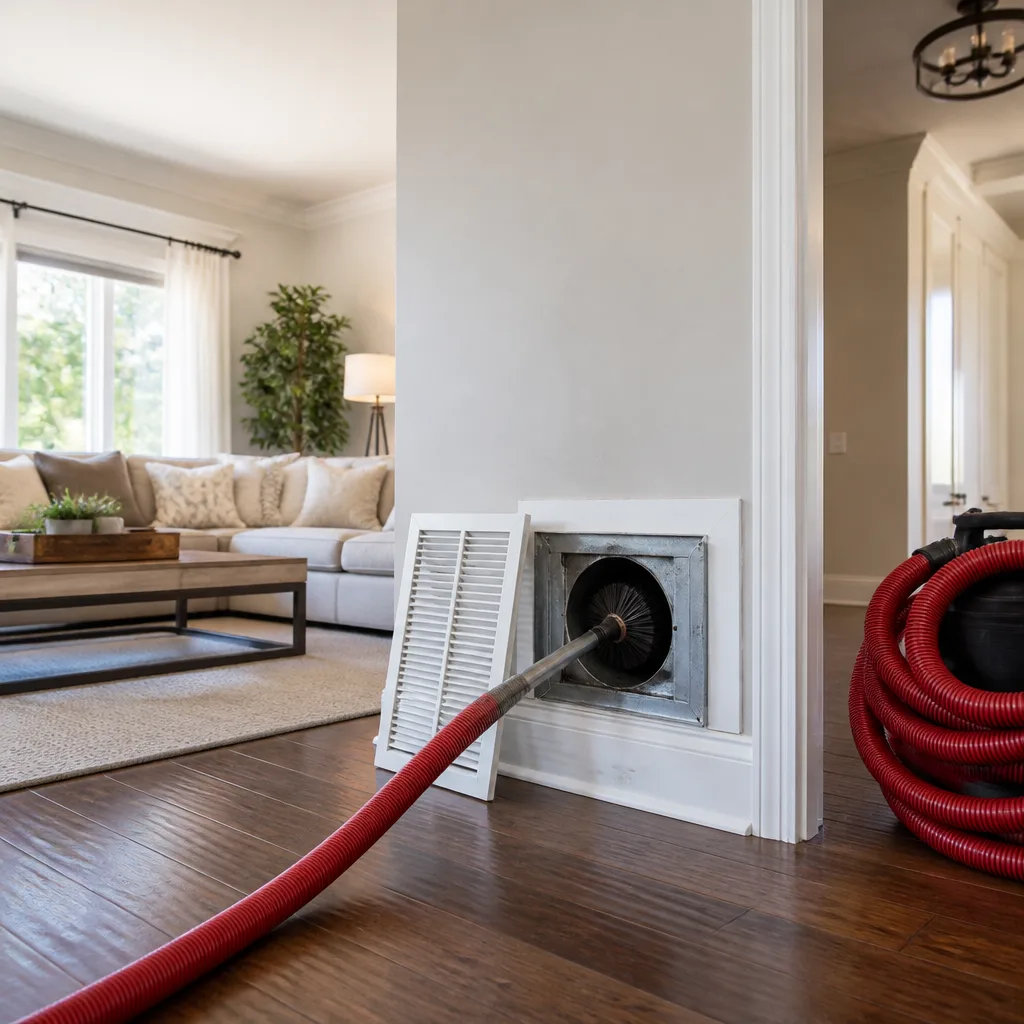
 Whole-home duct cleaning
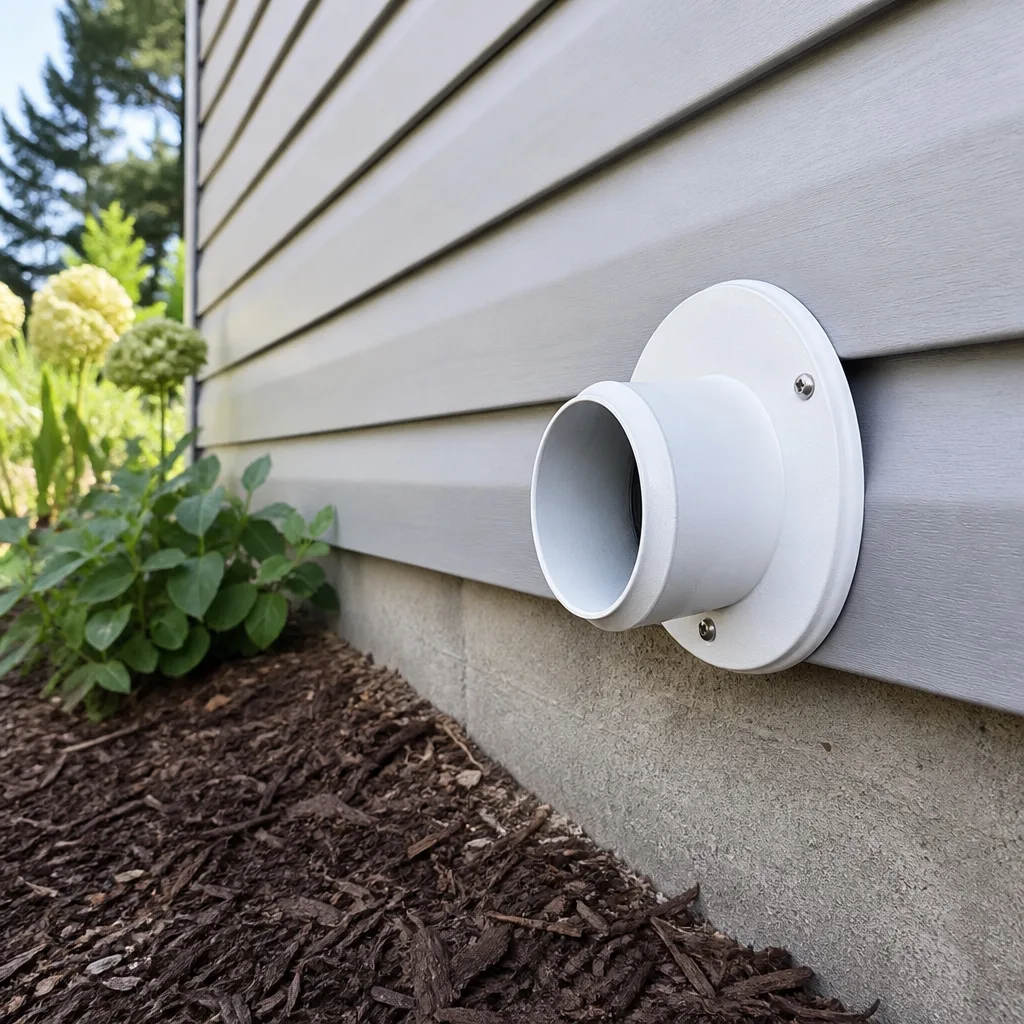 Dryer vent cleaning
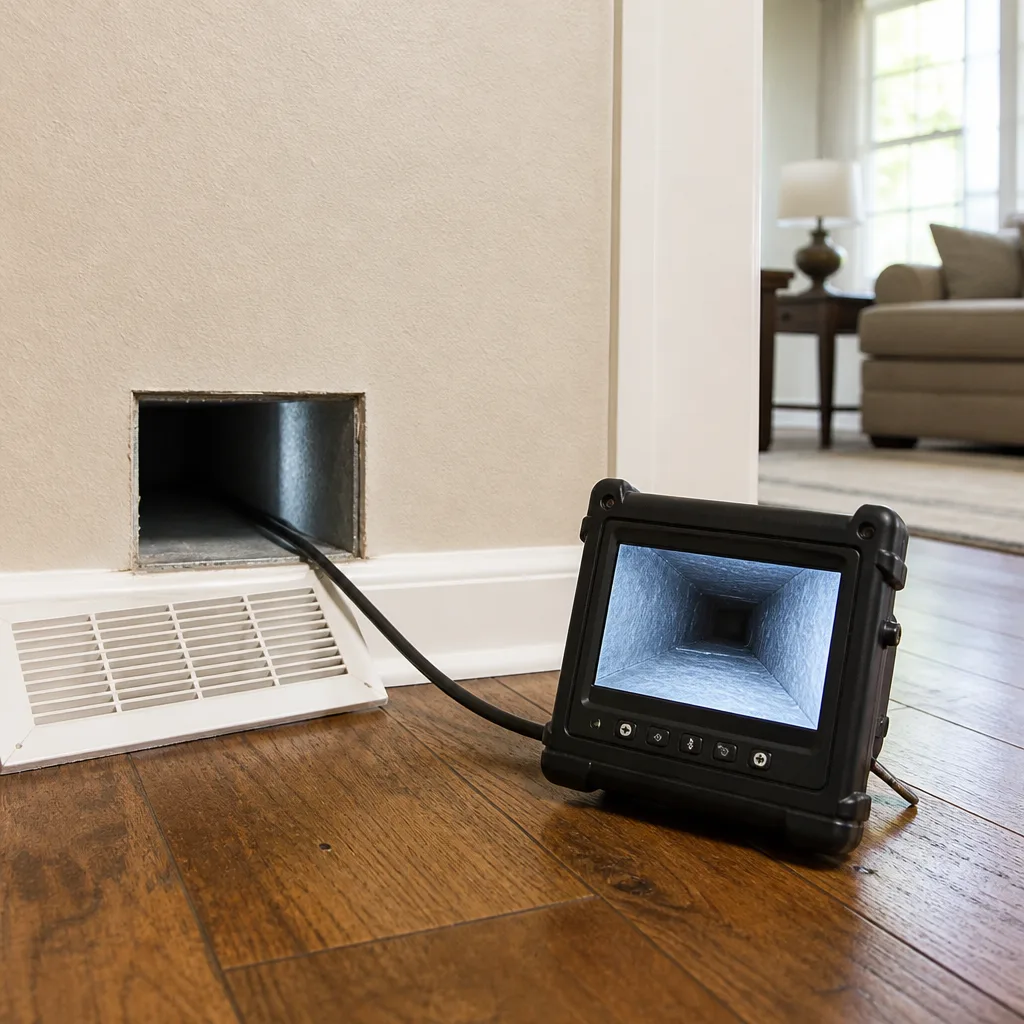 Camera inspection
 Sanitizing & deodorizing
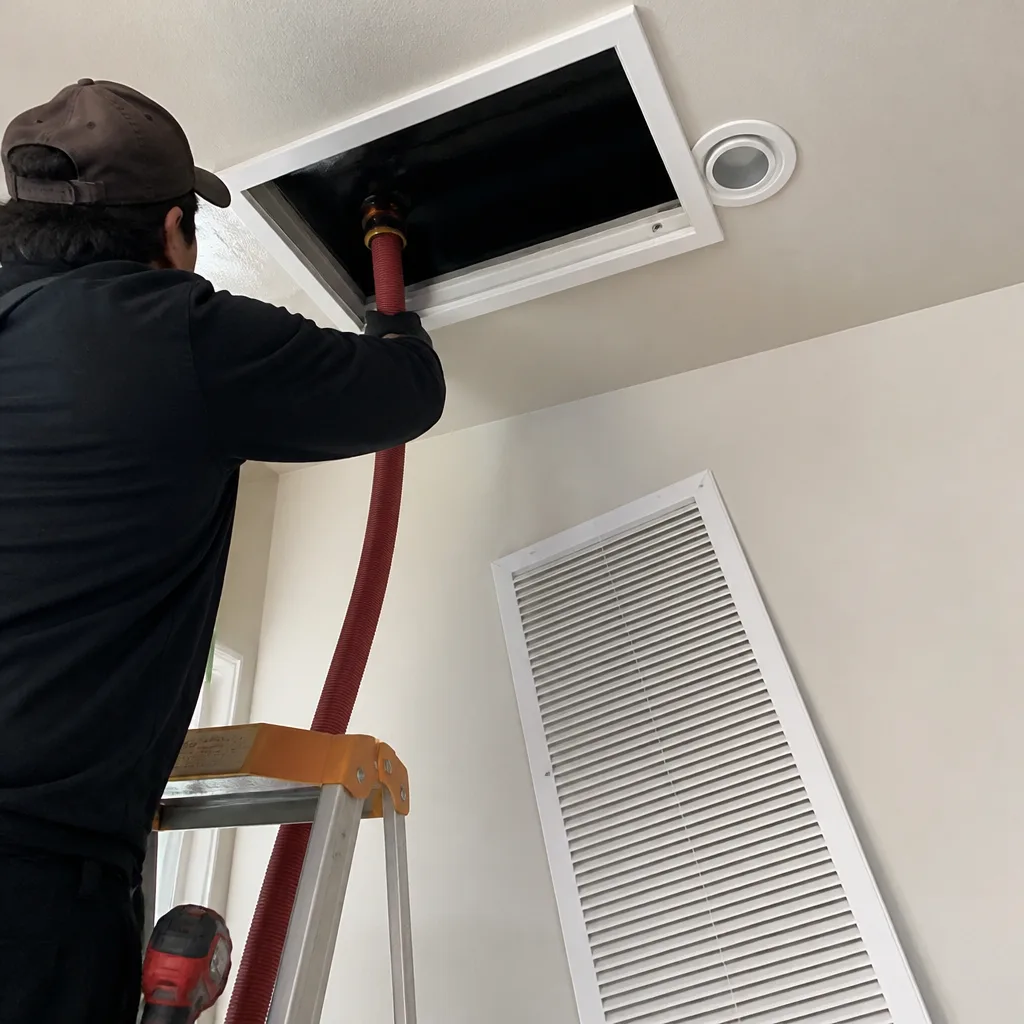
Whole-system duct and dryer vent check with before-and-after photos - you see exactly what came out of your vents
That "$99 whole-house special" is a bait ad - the real number appears once they are in your hallway, or the "clean" is a shop-vac at the register. We photograph the inside of your ducts before and after instead.
Why Austin Homeowners Choose Carrier Air Duct Cleaning
Air Duct Cleaning services for Carrier systems in Austin typically run between $380 and $650 for a full system, depending on home size, duct condition, and whether the evaporator coil needs attention. We’re an independent Carrier duct service provider serving Austin and the surrounding Hill Country suburbs, and our work is built around one thing most companies skip: actually understanding how your specific Carrier system breathes before we touch it. Marcus Veale, our owner, spent years in the field before narrowing his focus entirely to duct work, and that experience means we know where Carrier systems fail in Austin’s climate and what to do about it. Call (940) 461-7203 for a written quote before any work begins.

Linden Air Duct Austin is not affiliated with or authorized by Carrier. That matters more than you’d think. When a company is bound by manufacturer protocols, they push manufacturer solutions. We aren’t, so we recommend only what your system actually needs. If your Infinity air handler needs its ducts sealed and the coil cleaned, that’s what we’ll tell you. If the ductwork is fine and the real issue is a dirty blower wheel, we’ll tell you that too.
Why Trust Linden Air Duct Austin for Your Carrier Air Duct Cleaning?
Carrier builds three distinct duct and air handler configurations into Austin homes: the variable-speed Infinity line, the mid-range Performance series, and the entry-level Comfort series. Each one fails differently, and each one needs a different cleaning approach. The Infinity’s variable-speed blower pulls air through a denser filter media and runs longer cycles, which means fine dust loads accumulate more heavily on the blower wheel and evaporator coil. The Comfort series, often installed in smaller or budget-conscious builds, uses a fixed-speed motor that cycles more frequently and can pull construction dust from gaps in return ducting. If your tech doesn’t know the difference, they’ll clean every system the same way and miss half the problem.
Marcus and our crew have serviced Carrier service in Austin homes backing up to Barton Creek Greenbelt, in Round Rock subdivisions, and everywhere in between. The dust load in a Greenbelt home tells you a lot about how a house breathes, and Marcus has kept a small notebook of unusual duct layouts over the years because the weird jobs teach you more than the straightforward ones ever will. That field knowledge is what we bring to every Carrier job we take.
Every technician who walks through your door is background-checked, identity-verified, and photo-badged under the Threshold Standard. You’ll get the tech’s name and photo before the visit, and they’ll show a photo ID at the door. We’ve been doing this since 2004 as part of the Threshold Group family, and that standard has never once been optional.
Styles & brands we work with
Common Carrier Air Duct Cleaning Problems We Fix in Austin
- Fine construction dust choking Infinity air handlers. Austin’s building boom means years of limestone dust and drywall particulate settling into return ducts. On Infinity systems with variable-speed blowers, this dust cakes onto the blower wheel and evaporator coil, cutting airflow and driving up energy use. We see this constantly in homes built during the 2000s boom, especially in newer suburbs like Mueller and Cedar Park, where ducts were undersized from day one. The fix is careful blower wheel cleaning, coil cleaning, and negative-pressure extraction on the full supply and return runs.
- Mold and mildew on evaporator coils in high-humidity Austin summers. Oversized Carrier systems short-cycle, meaning they cool the air too fast without running long enough to pull moisture out. That leaves the coil and adjacent ductwork damp for hours, and in Austin’s summer humidity, damp means biological growth. We clean the coil and treat the drain pan, then check whether the system’s sizing is actually the root cause. If it is, we’ll tell you straight, because cleaning alone won’t stop it from coming back.
- Crushed or disconnected flex duct in attic spaces. Austin homes with retrofitted Carrier systems, especially older central neighborhoods with pier-and-beam foundations or unconditioned attics, often have flex duct runs that got crushed during a re-roof, a remodel, or a cable installation. A disconnected return duct pulls attic air, insulation fibers, and dust directly into the system. We find these with video inspection and seal them with mastic, not tape.
- Condensate drain backups spilling into supply ducts. Biofilm builds up in the condensate line over time, especially in Austin’s pollen-heavy season when organic material washes into the pan. When the line backs up, water pools and occasionally spills into nearby supply ducting, creating a musty smell that no air freshener touches. We clear the line, treat the pan, and check whether the drain needs a proper slope or trap correction.
- White dust from airport runways and quarry operations. In the Mueller development specifically, homeowners report a fine white dust settling in their ducts. It’s not construction debris from the redevelopment itself. It’s particulate from Austin-Bergstrom’s concrete runways to the southeast and limestone quarry operations west of the city. This grit is abrasive and fine enough to pass through standard filters, and it accumulates in the duct lining. We’ve cleaned enough Mueller systems to recognize it on sight.
Carrier Parts & Our Repair-vs-Replace Approach
When a Carrier component is specification-critical, we use OEM parts. That means genuine Carrier Infinity air purifier filters, OEM ECM blower modules when replacement is needed, and Carrier-compatible access panels. But we don’t blindly default to the manufacturer’s part number. For UV lamps, we source premium aftermarket components that match or exceed OEM specs at a better value. For duct sealing, we use mastic and premium tapes that outperform the builder-grade material most original installs used. The goal is the right fix, not the most expensive one.
Our repair-vs-replace stance on Carrier ducting is simple: we favor targeted sealing and repair over full replacement unless the ductwork is collapsed, severely undersized, or contaminated beyond remediation. Full duct replacement is a five-figure job in Austin, and we’re not going to pitch it because a seam is leaking or a flex run is kinked. We’ll show you the video, point to the exact problem, and let you decide with the facts in front of you. Call (940) 461-7203 if you’re weighing options and want an honest read on what’s actually needed.
Our Carrier Service Process – Step by Step
- 1
Diagnosis. We start with a video inspection of the full supply and return duct system, plus a static pressure reading on the air handler. On Carrier Infinity systems, we’re checking against Carrier’s recommended static pressure range, not a generic number. Marcus or a lead tech walks the system with you, explaining what we find before anyone touches a panel.
- 2
Repair or cleaning. We quote a written price before any work begins. That includes any sealing, mastic work, coil cleaning, blower wheel cleaning, or duct replacement we’ve identified. No per-vent add-ons, no surprise invoice at the end. If the job is repair work, you get a written guarantee covering it for 365 days.
- 3
Test. After the work, we re-test static pressure and airflow. On Infinity systems, we want to see numbers in the manufacturer’s recommended range. On Performance and Comfort series, we’re checking that airflow has improved and hot and cold spots are resolved.
- 4
Warranty. Every repair gets a written guarantee. If a covered repair fails within 365 days, we come back at no charge. That’s the Done Right Promise, and it’s in writing on every job.
See the difference
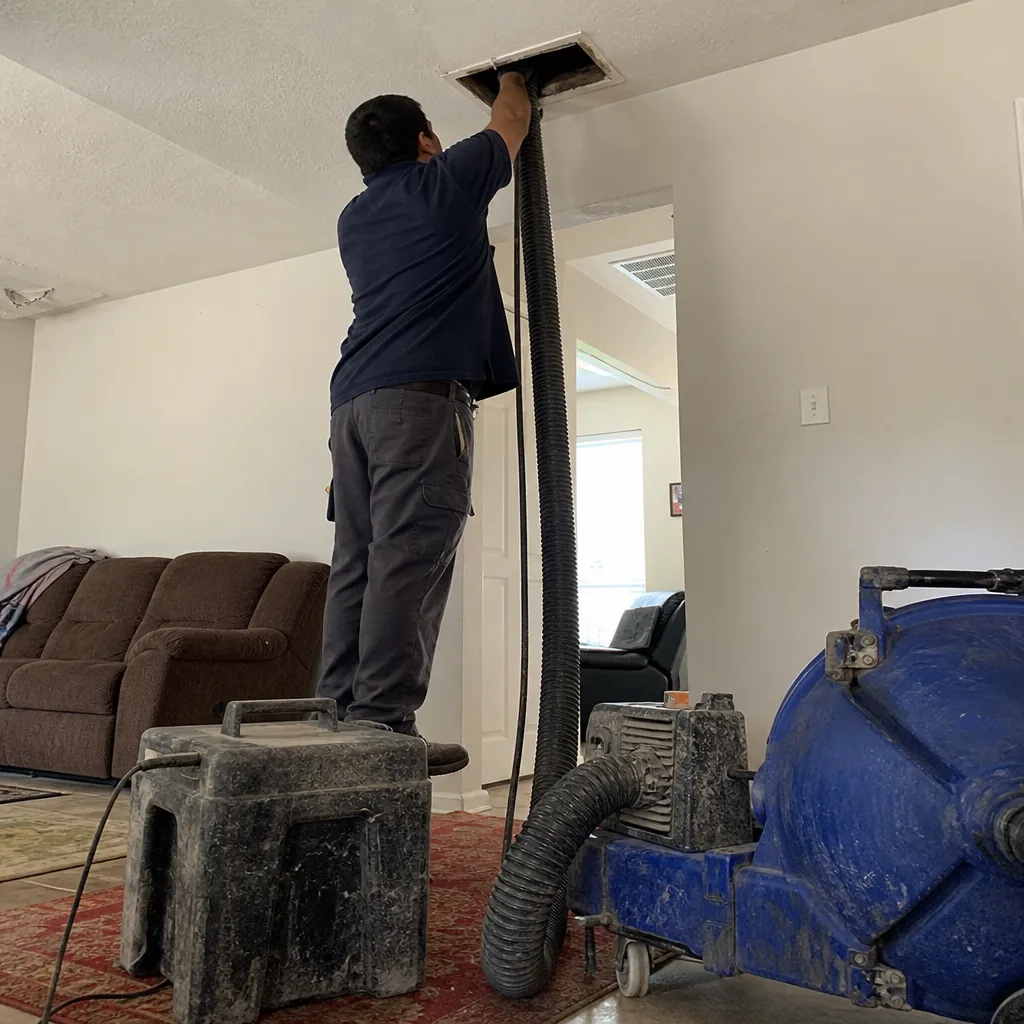 Before
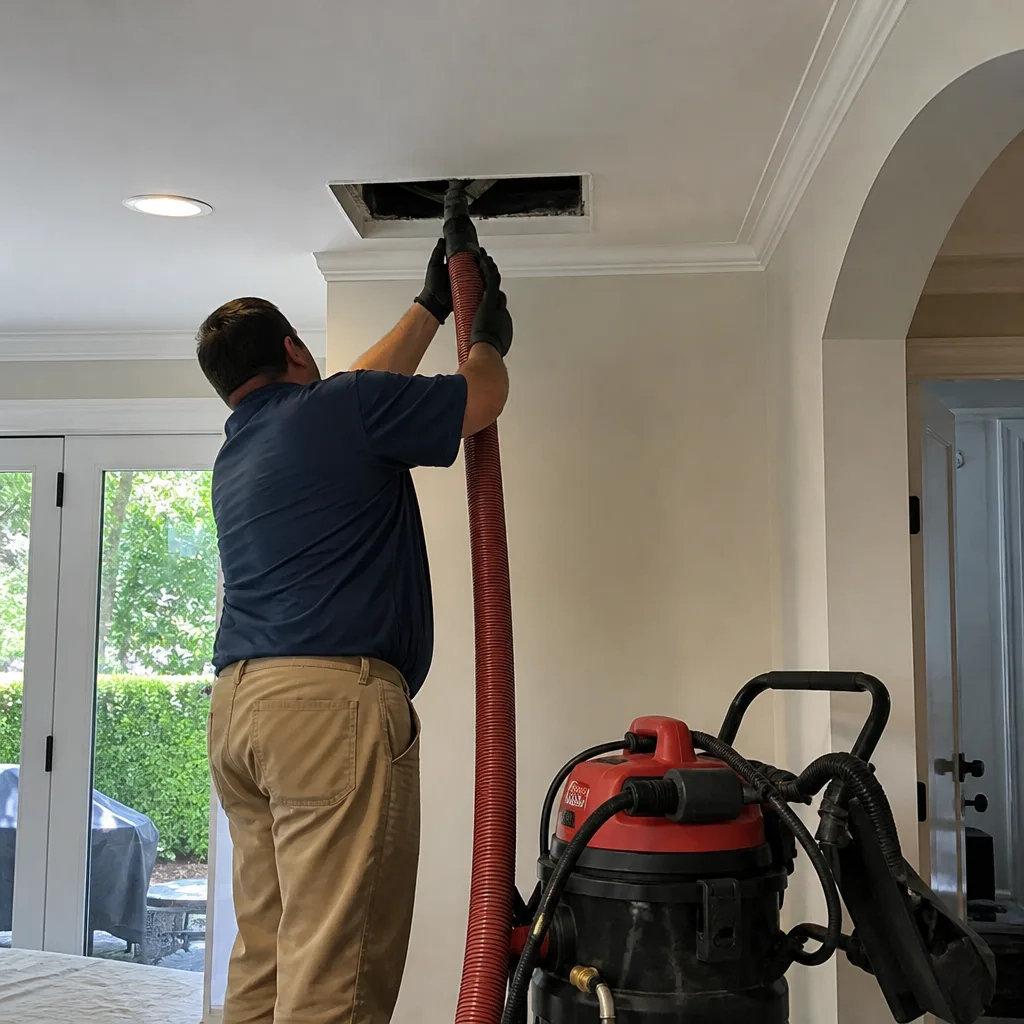 After
After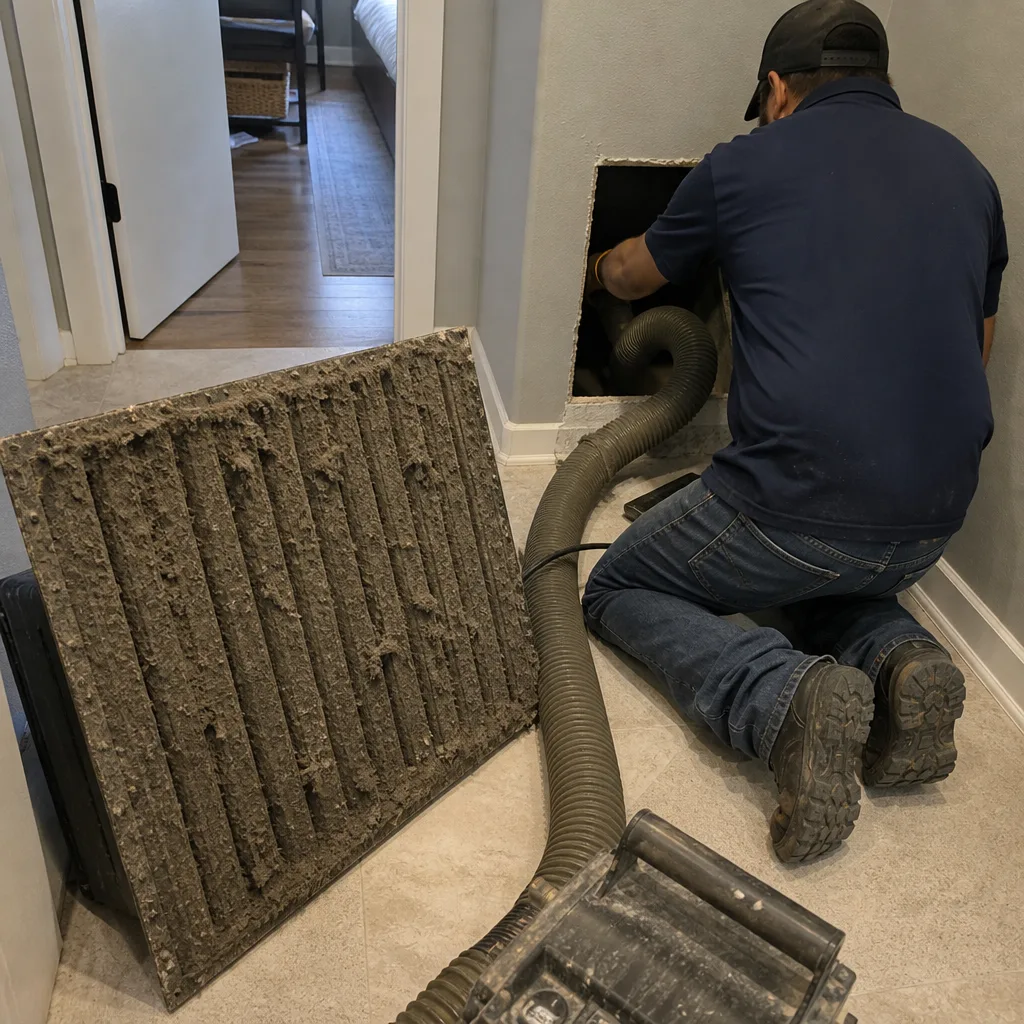 Before
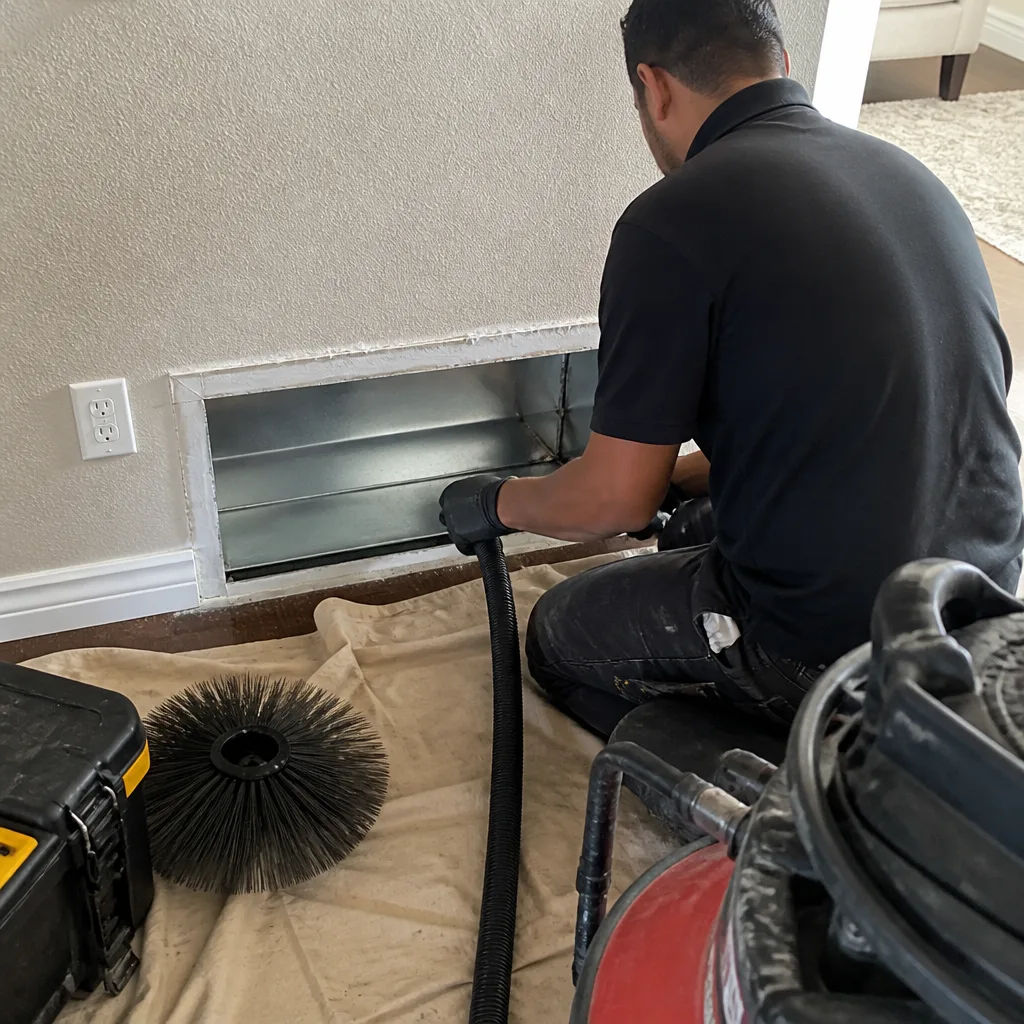 After
After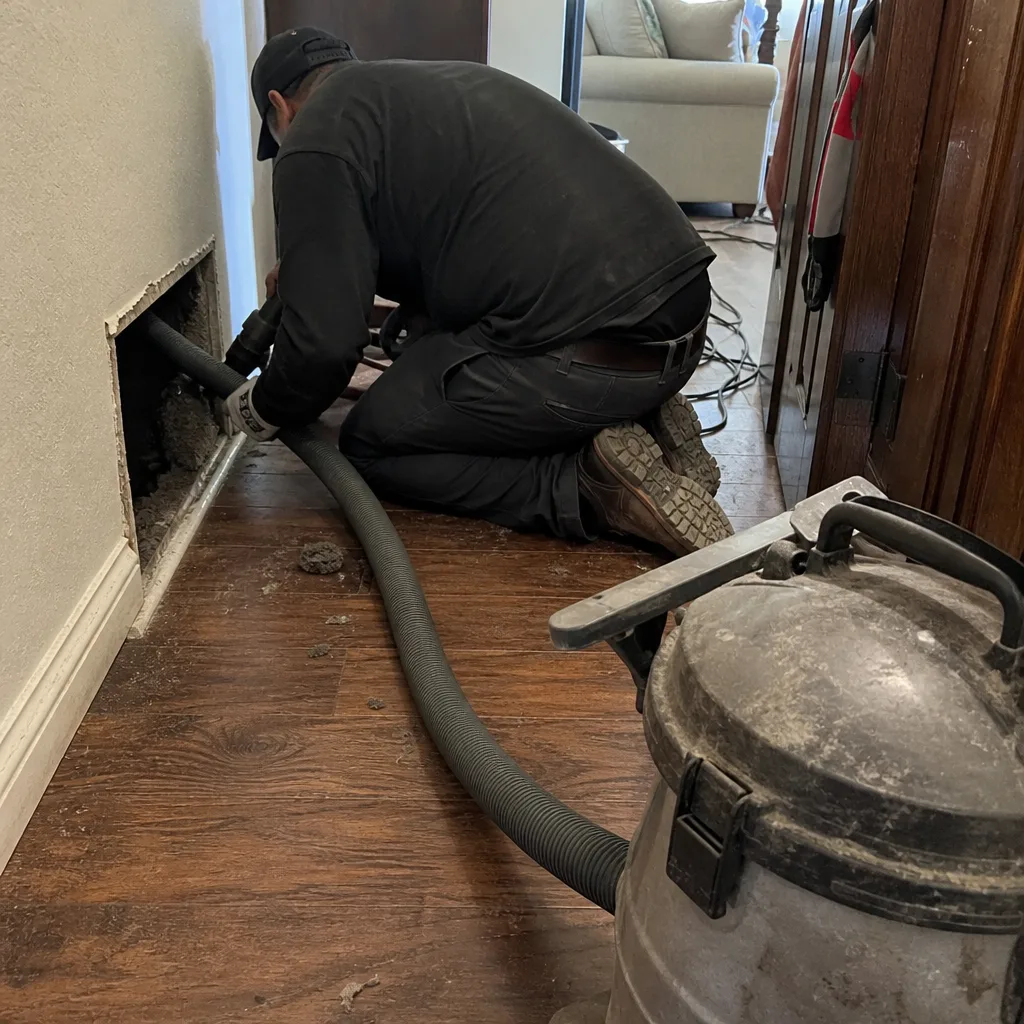 Before
 After
AfterCarrier Products We Service & Install in Austin
We service and clean duct systems across the full Carrier residential range: the variable-speed Infinity Series, the Performance Series, and the Comfort Series, plus older WeatherMaker systems still running in plenty of Austin homes built in the 1990s and early 2000s. We stock common Carrier-compatible filters, UV lamps, condensate treatments, and sealing materials locally for faster turnaround. We don’t sell equipment, so our recommendation is never tied to a commission. That’s the independent difference, and it matters when someone’s telling you what your system needs.
We Also Service These Brands
While this page focuses on Carrier, our team also services Lennox and Trane duct systems across Austin. The duct work doesn’t care whose name is on the air handler, and neither do we. If your home has a mix of Carrier equipment and another brand’s ducting, we’ll handle it all in one visit.
FAQs – Carrier Air Duct Cleaning Service in Austin
Yes, directly. The Carrier Infinity air purifier is designed to work with air moving through it at a specific static pressure range. When ductwork is caked with dust, static pressure climbs, and the purifier’s media loads faster while moving less air. Cleaning the ducts and the blower restores the pressure to range, which means the purifier captures more particulate and the filter media lasts its expected life instead of clogging early. If you’ve noticed your Infinity purifier filter needs replacing more often than the spec sheet says it should, dirty ducts are the likely reason. Call (940) 461-7203 and we’ll check the static pressure as part of the diagnosis.
In Austin, most Carrier systems need duct cleaning every 3 to 5 years. That’s more frequent than the national recommendation because of what our air carries: cedar pollen from Ashe junipers in winter, live oak pollen in spring, grass pollen in summer, and Saharan dust events that layer fine grit into duct interiors. If you live near the Mueller area, the airport and quarry particulate shortens that interval further. Homes with pets, recent renovations, or a high turnover of occupants should lean toward every 3 years. Call (940) 461-7203 for a specific recommendation based on a video inspection of your system.
Yes, and this is a real concern if the company doesn’t know what they’re doing. A proper cleaning uses negative-pressure extraction that pulls debris out through the register openings while the blower remains off. We don’t run the blower during cleaning. We also cap or isolate the blower compartment when working near it, because dust forced into an ECM motor’s control module can cause premature failure. The Performance series uses an ECM blower in most configurations, and we treat it accordingly. If a company tells you they’ll just run the fan while they vacuum, that’s a red flag.
Very often, yes. The Infinity system’s variable-speed blower operates at low, continuous airflow when the AC isn’t cooling, and small leaks that a fixed-speed blower would never reveal show up clearly under that low-pressure operation. Leaks in the return side pull attic air, insulation fibers, and dust into the system. Leaks in the supply side waste conditioned air into unconditioned space. We use a video inspection and static pressure reading to find leaks you’d never see from the outside. In Austin’s hot, humid climate, sealing those leaks usually pays for itself in lower cooling bills within a few seasons. Our tech recently handled Georgetown Carrier service and work in Round Rock, including a home where the homeowner complained of persistent dust and uneven cooling. Video inspection revealed a disconnected return flex duct in the attic and heavy dust caked on the variable-speed blower wheel. We reconnected and sealed the duct with mastic, cleaned the blower assembly and evaporator coil, and then performed a full supply and return duct cleaning. Post-service static pressure dropped to Carrier’s recommended range, and the homeowner reported immediate relief from allergies and better cooling.
Usually, yes. The musty smell in an Austin home with a Comfort series system typically means biological growth on the evaporator coil or in the drain pan, fed by moisture that doesn’t fully drain away. Austin’s humidity gives that growth exactly what it needs. Cleaning the coil, treating the pan, and clearing the condensate drain removes the source of the odor in most cases. But we’ll also check the system’s sizing and run time, because if the system short-cycles, the coil never gets dry and the smell will return. Tell me what the system is doing, and I’ll tell you what it needs. No upsell, no alarm, just the straight answer. Call (940) 461-7203 to schedule a coil cleaning and have us check for the underlying cause.
Full Carrier duct cleaning in Austin typically runs between $380 and $650, with coil cleaning and blower wheel cleaning priced as add-ons when needed. The range depends on the square footage of the home, the number of supply and return runs, and how long it’s been since the last cleaning. Austin’s rental turnover rate means many systems haven’t been cleaned since construction, and those jobs run toward the higher end because the buildup is heavier. We give you a written price before any work begins, based on what we find in the video inspection. No per-vent pricing, no bait-and-switch coupon. Call (940) 461-7203 for an exact quote. Estimates are free.
Book Your Carrier Service in Austin, TX
If your Carrier system is blowing dust, running louder than it used to, or just not cooling like it should, we’ll find out why. Call (940) 461-7203 and a live person answers, 24/7. We’ll schedule a video inspection, give you a written quote before any work starts, and send you the tech’s name and photo before they arrive. That’s how we’ve done it since 2004, and that’s how we’ll do it at your home in Austin.
Written by Marcus Veale, Owner at Linden Air Duct Austin, serving Austin since 2004.